
3 Beginner Pottery Tutorials To Start Today

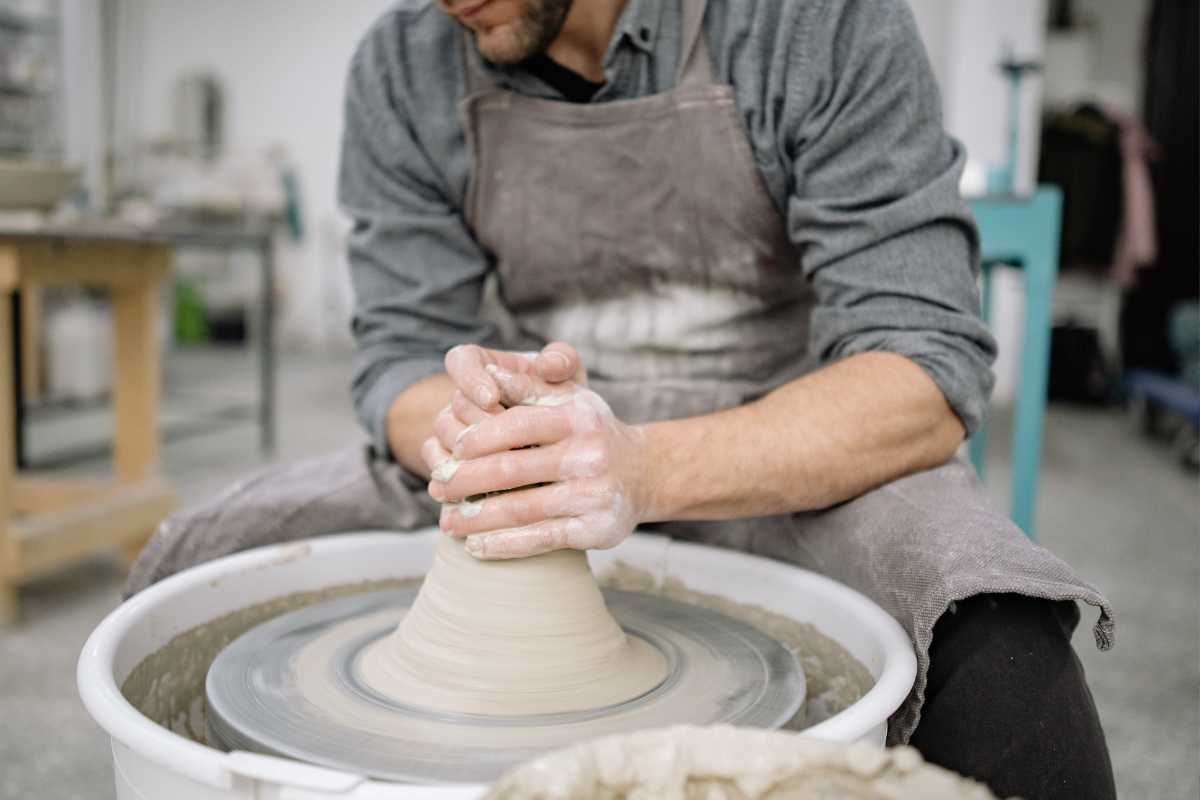
New to clay and not sure where to start? This guide curates three essentials for beginner pottery: handbuilding, wheel centering, and glazing.
You’ll get ideas you can try in a single afternoon, plus practical tips to avoid the most common pitfalls. Use this as a launchpad for beginner pottery projects that build real skills without expensive gear.
1) Handbuilding Basics
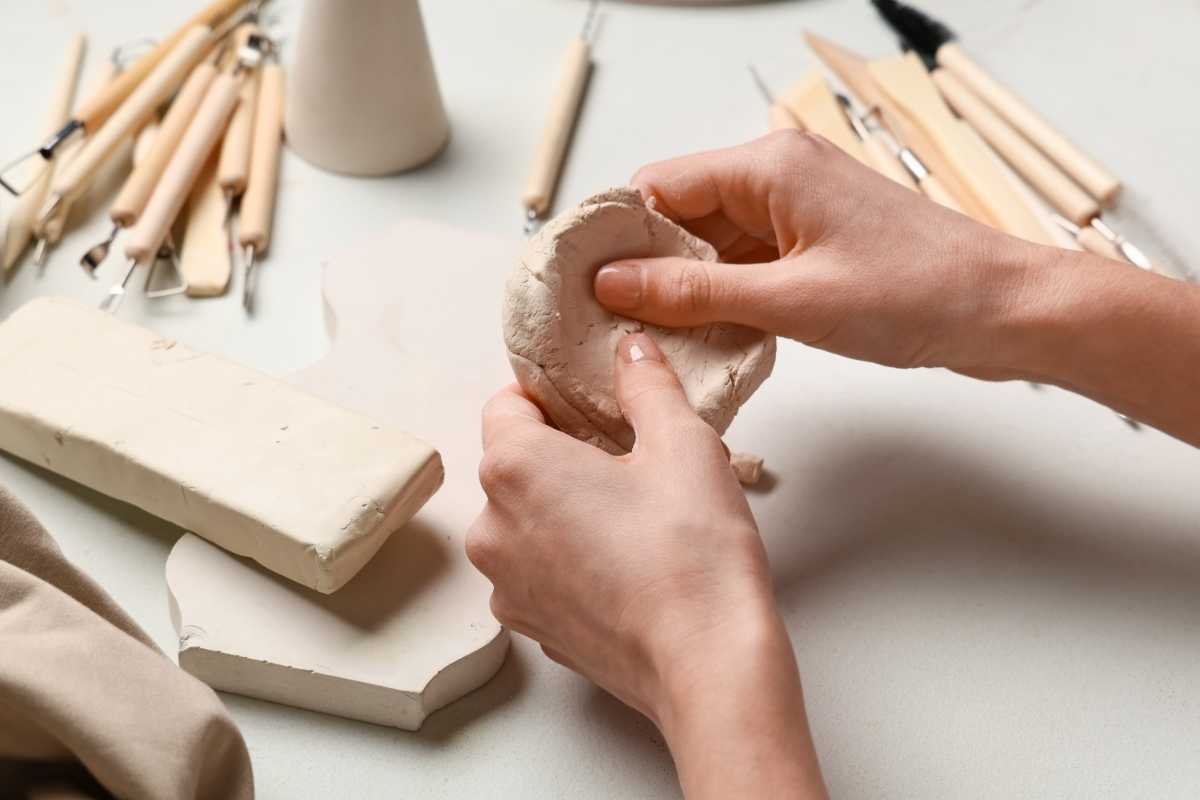
Handbuilding lets you create forms with nothing more than clay, a table, and a few simple tools. In this video you’ll watch how pinch pots evolve into bowls, how coils become vases, and how slabs turn into trays.
It’s packed with easy beginner pottery ideas and shows how to correct wobbly rims, seal seams, and keep walls an even thickness—key for durability and clean silhouettes.
What to look for as you watch: consistent compression, scoring/slipping joints, and pacing your drying so pieces don’t crack. This is ideal pottery diy beginner practice at home or in a studio because it scales: tiny testers first, functional pieces later.
Click here to view the tutorial
2) Wheel Work: Centering Clay (A Beginner’s Guide)
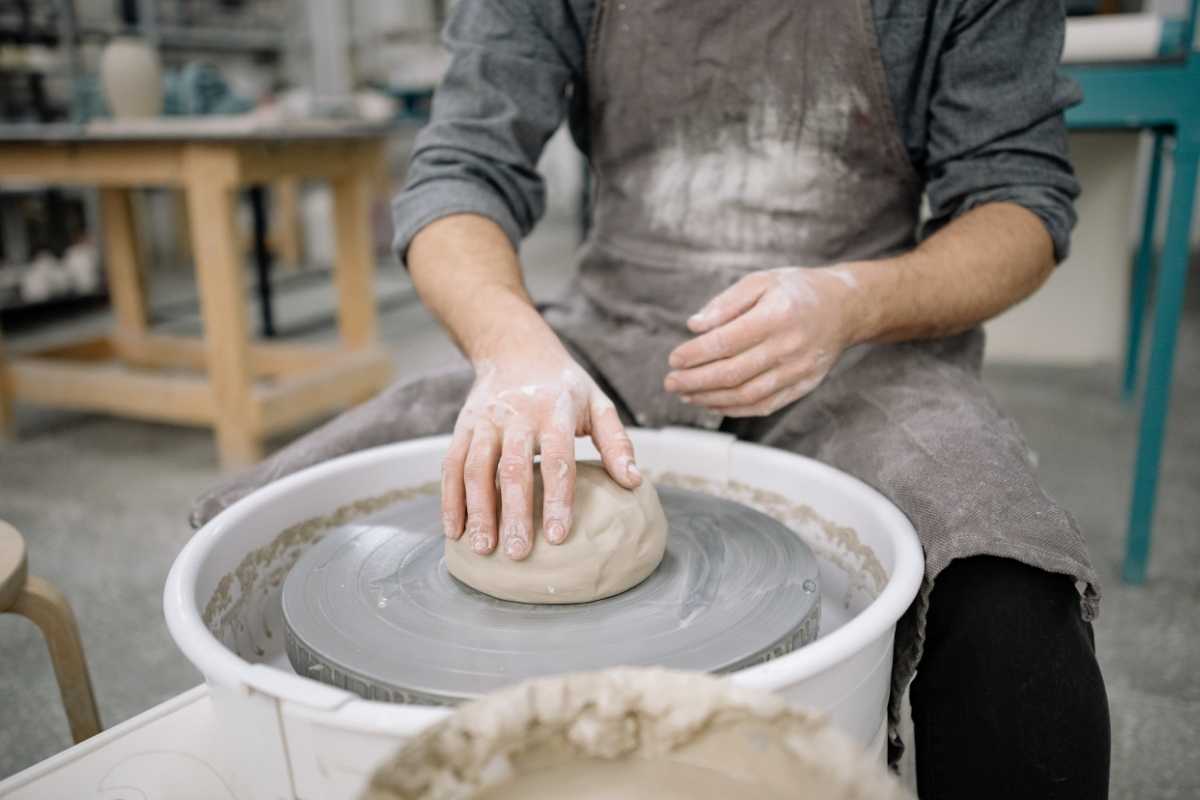
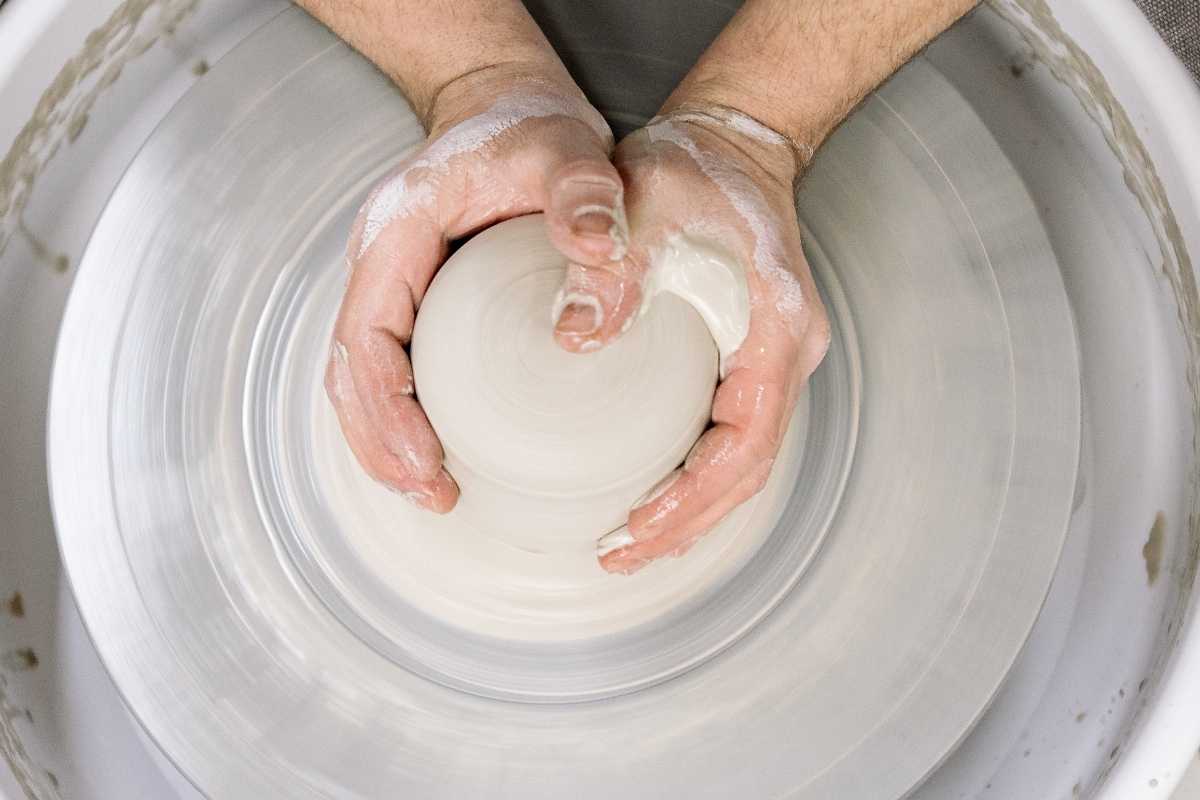
Centering is the gateway to everything on the wheel. The lesson breaks down body posture, hand placement, and speed control so you stop fighting the clay and start guiding it.
You’ll see how to anchor elbows, cone up and down, and use water without drowning your piece. If “the clay throws you,” this video fixes that.
Tips to apply: brace your arms on your thighs, keep pressure steady rather than strong, and practice on small balls first.
For beginner pottery ideas simple and repeatable, set a timer for five-minute centering drills before any throwing session—your future cylinders will thank you.
Click here to view the tutorial
3) Glazing Basics: Color, Coverage & Kiln-Safe Choices
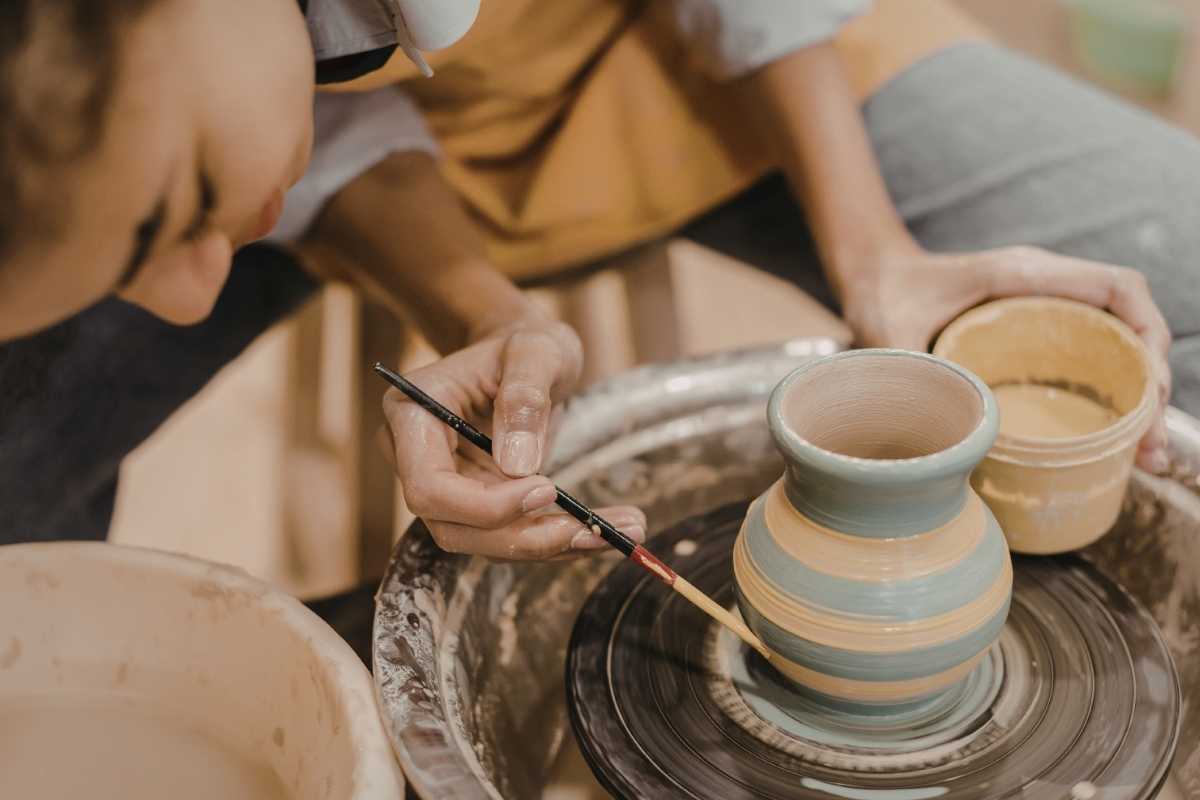
Glaze is where pieces come alive—if you keep it controlled. This walkthrough shows dipping, pouring, and brushing, plus how to avoid pinholes and drips.
You’ll learn test-tile strategy, what “mature temperature” means, and how different clays shift color.
Starter plan: make a grid of tiles from your trimming scraps, label every combo, and fire them all together.
For beginner clay projects pottery ideas, standardize one clay body and two cone ranges (low-fire and mid-fire) so experiments are comparable. That discipline turns “pottery inspiration beginner” browsing into reliable results.
Click here to view the tutorial
A Simple Three-Project Roadmap
Project 1: Pinch Cup Set. Make three cups with the same ball size and track thickness with a needle tool. This warms up hand memory for beginner pottery ideas you can finish same-day (bisque later).
Project 2: Coil Planter. Build even coils, compress each layer, and add a slab base. It’s a confidence-boosting step in your beginner pottery projects list that teaches vertical control.
Project 3: Glaze Tests. Brush three coats vs. dip once, compare edges, and note runs. Keep photos so your future pottery diy beginner pieces borrow only the winners.
Studio Setup & Safety (Quick Guide)
Keep a sponge bucket for hands and tools, sweep wet (never dry) to avoid dust, and store glazes off the floor. Label everything.
A small cart turns a kitchen corner into a micro-studio—proof that beginner pottery doesn’t need a huge space.
Tool trio that goes far: rib (for compressing and shaping), needle tool (thickness checks), and a trimming loop. Add a banding wheel for slab and coil work before you commit to a full wheel.
Common Pitfalls & Fixes
Cracks at joints: score, slip, and compress thoroughly.
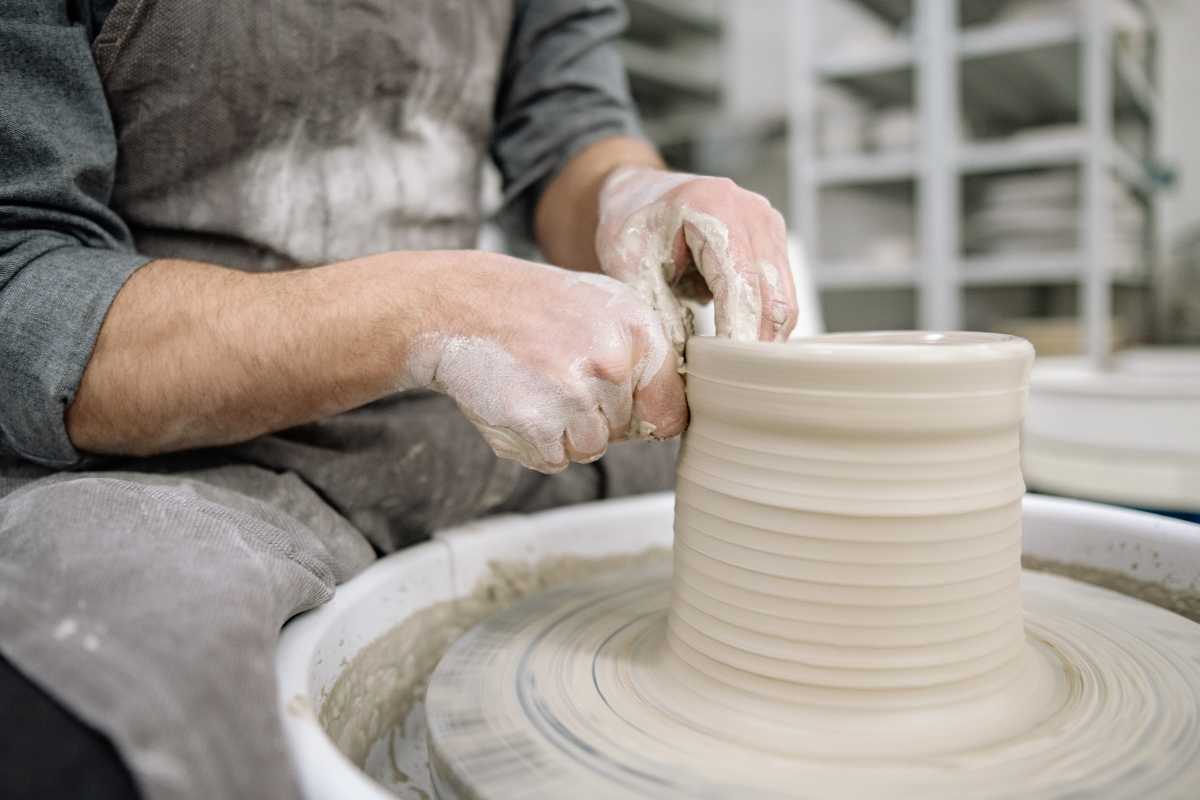
Warped rims: slow drying with plastic; flip slabs midway.
Glaze crawling: clean bisque with a damp sponge and avoid thick application on sharp edges.
These guardrails keep beginner pottery ideas looking intentional, not accidental.
When you’re stuck, make smaller. Downsizing forms is the fastest cure for frustration and a steady path toward easy beginner pottery ideas that still teach fundamentals.
Keep Going: Build a Repeatable Practice
Pick one shape and iterate—three bowls, three cups, three planters—then change only one variable (height, lip, or foot). This turns scattered crochet— whoops, clay inspiration into progress you can measure.
Save notes and snapshots; in a month, your shelves will show how far you’ve come.
Want more structure? Create a two-hour weekend ritual: 40 minutes handbuilding, 40 minutes wheel drills, 40 minutes glazing tests. It’s a sustainable cadence that turns pottery inspiration beginner ideas into finished work.
Discover More Artistic Inspiration