
3 Body Base Drawing Tutorials That Work

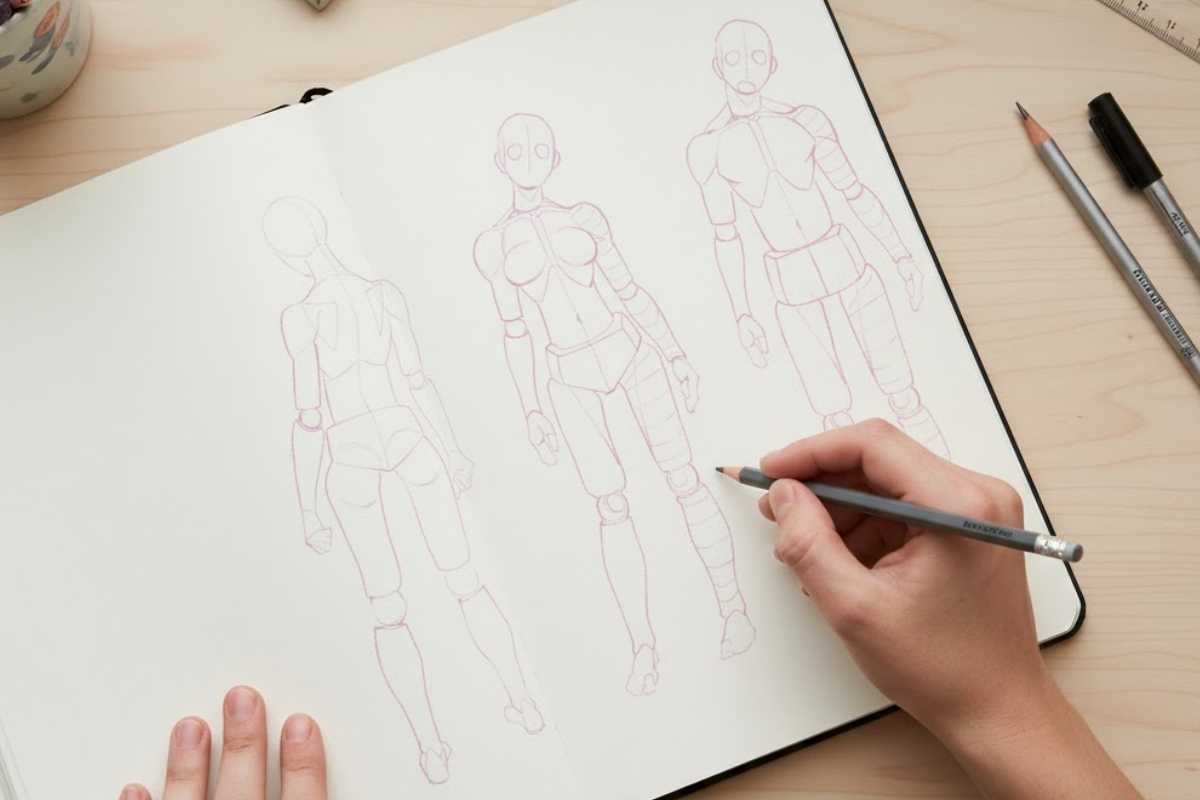
If you want a reliable body base drawing you can reuse for any character, these three videos cover the essentials—gesture, simple anatomy, and mannequin structure.
Start with motion, add proportion, then build clean forms you can pose and light.
Treat each demo like a body base drawing tutorial you can loop: practice, screenshot your milestones, and compare results to your favorite body base reference drawing boards.
1) How to Draw Gesture

This lesson shows why gesture is the heartbeat of a figure. You’ll learn to capture the action line, squash and stretch, and rhythm between torso and hips—before worrying about muscles.
It’s the fastest way to create a reusable body drawing base that feels alive instead of stiff.
Work small, 30–90 seconds per pose, and prioritize flow over detail. As you improve, your base body pose drawing becomes quicker to block, and your proportions become easier to correct because the movement is already working.
Click here to view the tutorial
2) How to Draw Simple Anatomy

After the gesture, you’ll map simple masses: head, ribcage, pelvis, and limbs. Think boxes, cylinders, and wedges.
This step turns a scribbled gesture into a clean drawing body base with believable landmarks—sternum line, ASIS points, knee axes—so the figure rotates consistently.
The instructor’s simplifications make a convincing full body base drawing reachable for beginners. By checking thirds of the torso, equal leg halves, and shoulder width, your base body drawing gains clarity without becoming clinical.
Click here to view the tutorial
3) Mannequinization: Structure of the Human Body

Now you’ll connect gesture and anatomy with mannequin forms that stack and twist. This approach is built for quick posing and foreshortening, giving you a stable base body pose drawing that rotates in space.
You’ll learn how to hinge at hips and ribcage while keeping volumes solid.
Mannequinization is perfect for a reusable body base drawing pose reference: save a few “neutral” mannequins (front, profile, three-quarter) and remix them for new angles. The result is a modular body base reference drawing library you can expand as your projects grow.
Click here to view the tutorial
Body Base Drawing Tutorial: Core Principles

1) Big to small. Nail the action line and major masses before features. If the silhouette works, the details will fit. This mindset keeps your body base drawing readable at every stage and prevents overworking early lines.
2) Landmarks matter. Even in a stylized body drawing base, place clavicles, navel height, and knee axes. These anchors let you correct tilt and keep volume consistent when you rotate or push perspective.
From Reference to Original Poses
Use timed photo sessions to create a daily body base reference drawing habit. After 10–15 quick studies, invent one new pose from memory, then compare.
Over weeks, you’ll rely less on tracing and more on constructed form, improving every body base drawing tutorial you follow.
Next, practice the “pose shuffle”: take a neutral mannequin and apply three distinct actions—reach, twist, crouch. This rapidly builds a portfolio of base body drawing setups you can adapt for comics, concept art, or illustration briefs.
Proportion & Rhythm Cheatsheet

Common guardrails help a full body base drawing feel convincing: head counts, shoulder-to-pelvis rhythm, and knee placement slightly below mid-leg.
Break rules deliberately for style, but learn them first so your drawing body base stretches and compresses with intent.
When stuck, reduce forms again—box the ribcage, wedge the pelvis, cylinder the limbs. Swapping detail for primitives restores perspective and saves time on every base body pose drawing.
Workflow You Can Reuse
Step 1: 60-second gestures to capture flow. Step 2: mannequin blocks for volume. Step 3: simple anatomy to place joints and planes. This three-pass workflow creates a dependable body base drawing you can ink or paint over.
Save layered files: “gesture,” “mannequin,” “anatomy.” You’ll quickly build a body base drawing pose reference library that speeds up thumbnails and final art alike.
Keep Going
Explore more figure resources on UrbakiArt to deepen your body base drawing practice—perspective, shading, and dynamic composition. Keep your studies small and frequent; consistency beats marathon sessions every time.
Discover More Artistic Inspiration