
3 Hair Drawing Tutorials For Realistic Results


Want a reliable system for hair drawing that won’t turn strands into spaghetti? This mini-course lines up three crystal-clear videos that show structure, rhythm, and depth.
You’ll learn how to think in masses first, then carve strands so the hairstyle feels dimensional.
Along the way, you’ll collect a practical hair drawing reference checklist you can reuse for portraits, character sheets, and sketchbook drills—perfect if you’ve been hunting for a no-nonsense hair drawing tutorial.
1) Fix The “Spaghetti Hair” Problem (3D Over Lines)
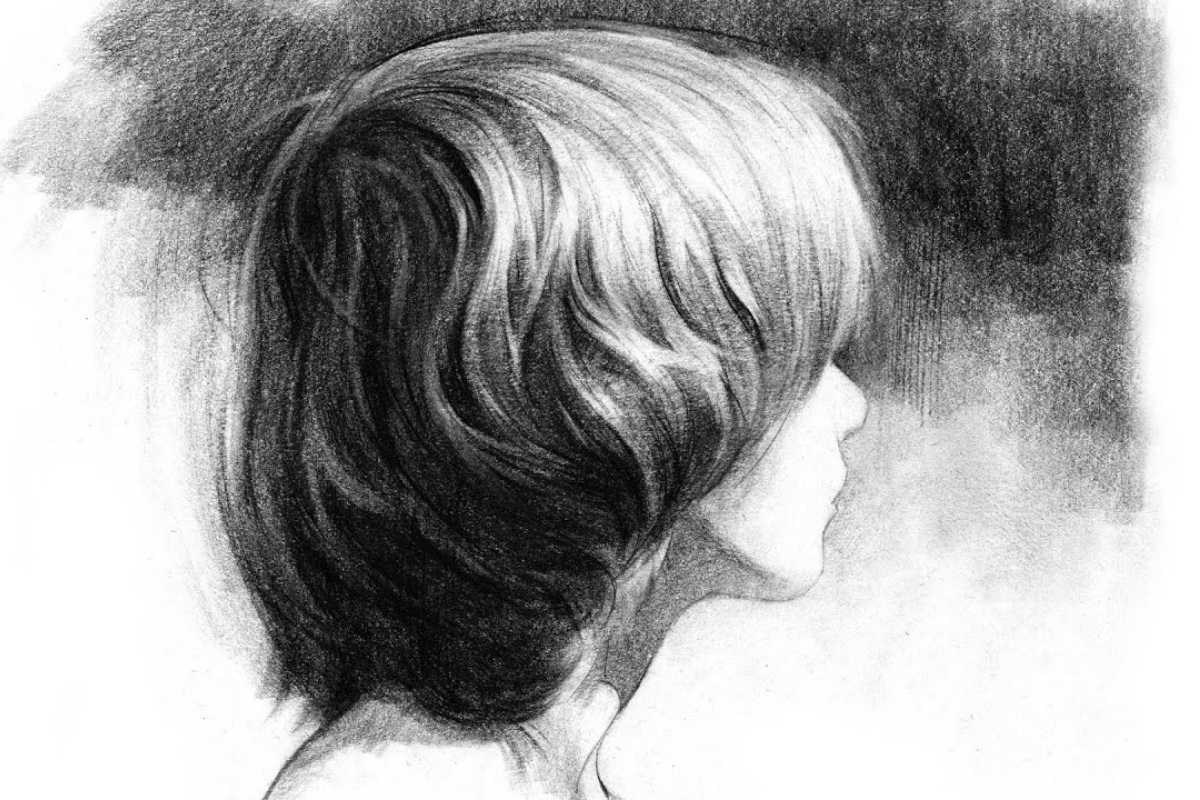
Most beginners outline every strand, which flattens the drawing. This lesson flips the script: block the hair as big shapes, map light and shadow, then suggest strands only where they turn.
You’ll see why grouping values creates volume and why highlights live on planes facing your light source. It’s the exact drawing hair tutorial you need to make hair look three-dimensional—fast.
Key takeaway: think ribbons, not noodles. Ribbons have width, edge, and a top plane—easy to shade; noodles don’t.
2) Six Hairstyles In Seven Steps (Women & Men)
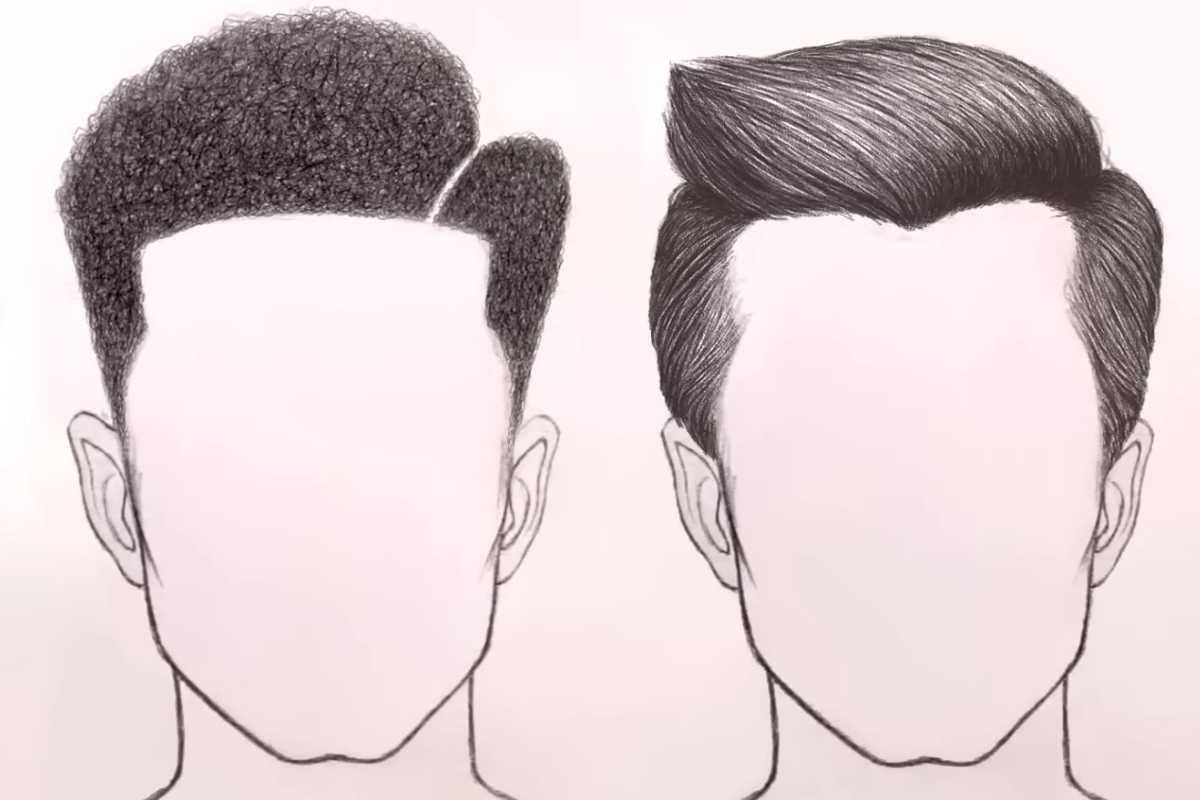
This comprehensive guide breaks down six styles with a consistent build: silhouette → flow lines → value map → accents.
Use it as a structured hair tutorial drawing workflow to compare textures—straight, wavy, curly, coily—and to place part lines and weight correctly.
Because the process is identical each time, it doubles as a portable hair reference drawing system for study sessions and commissions.
Pro tip: mark “gravity points” where hair hangs and “spring points” where curls bounce. Your volumes will instantly feel believable.
3) Realistic Graphite Hair (5 Easy Steps)
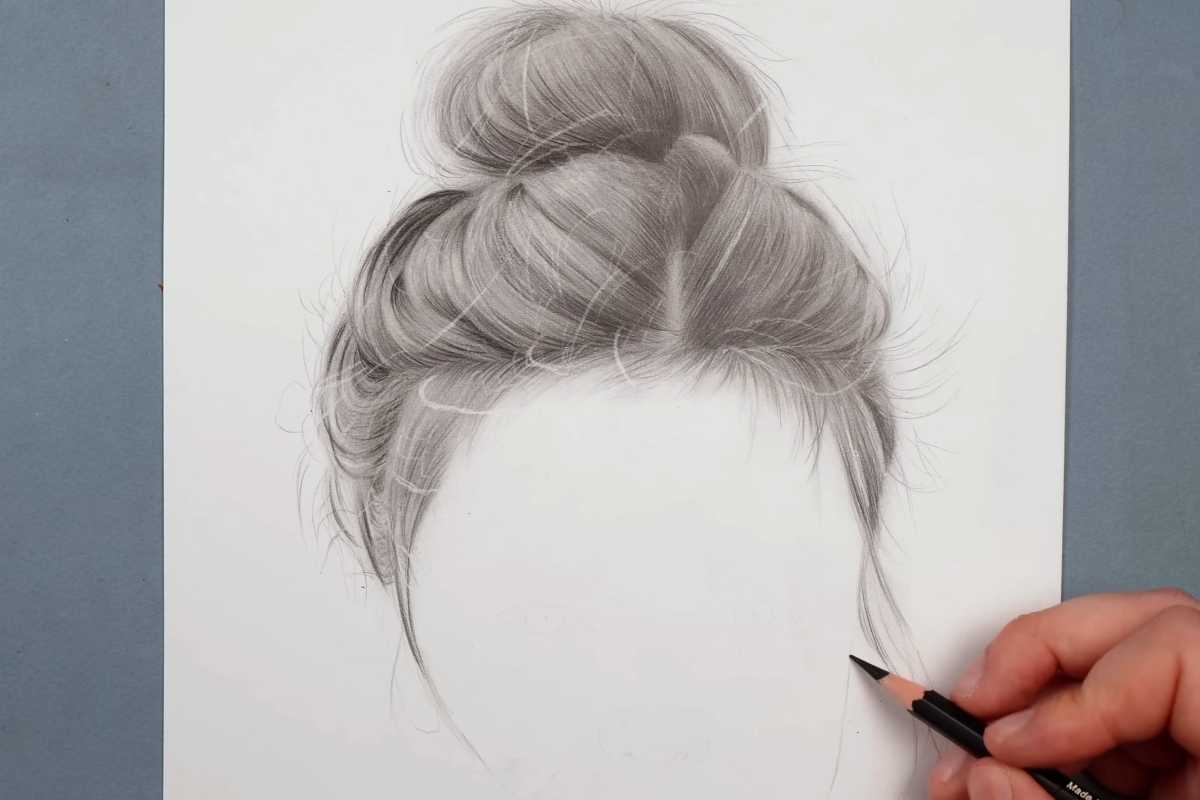
Ready for polish? This walkthrough shows a five-step path to natural, flowing locks with pencils: clean block-in, soft shadow mass, midtone weaving, selective strand pulls, and final flyaway accents.
It’s ideal if you want a calm, repeatable hair drawing tutorial that produces gallery-ready results. You’ll practice edge control (lost vs. found) and learn where to keep transitions velvety for truly realistic hair drawing.
Keep a kneaded eraser shaped like a wedge to lift tapered highlights along the flow—instant sheen without harsh outlines.
Reference & Construction: Your Reusable Checklist
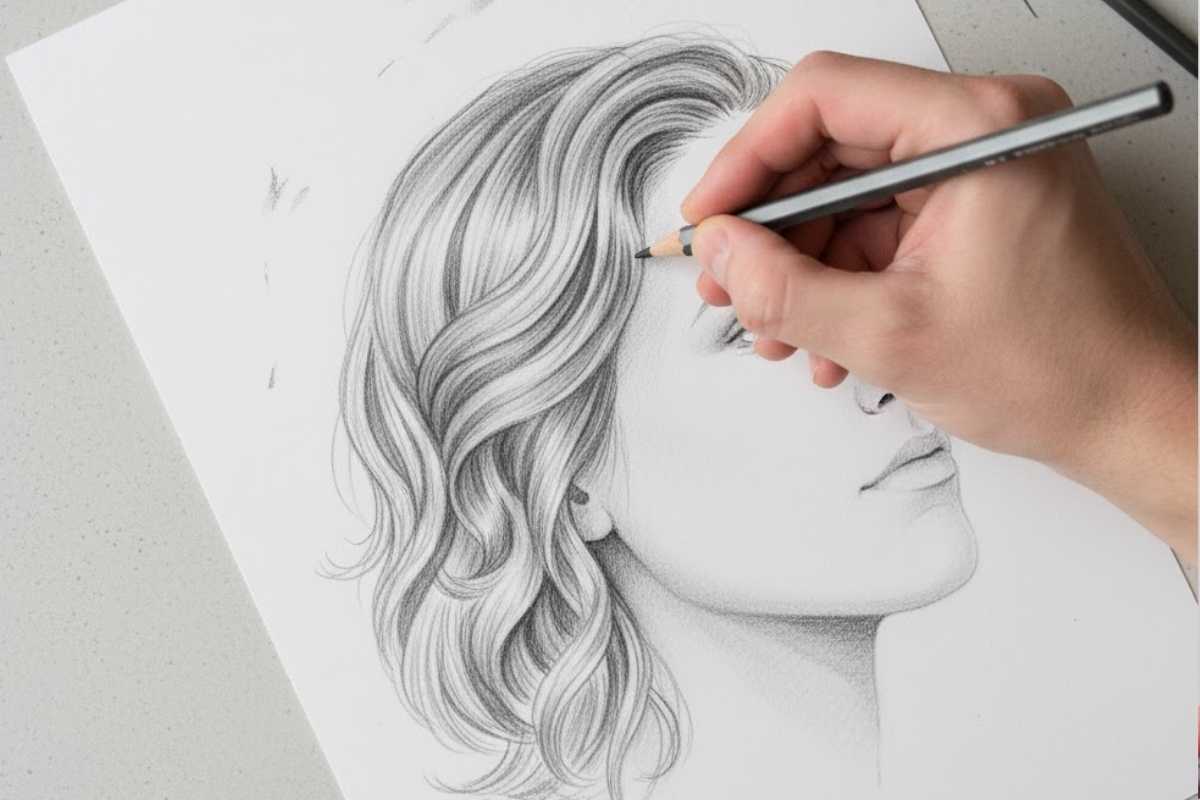
Before shading, answer five questions from your hair drawing reference:
1) Where is the light?
2) What’s the big silhouette?
3) Where does the hair part?
4) Which way does the majority flow?
5) Which edges must stay soft? This turns any clip or photo into a ready-to-draw plan and keeps your face + hair drawing cohesive.
For quick thumbnails, trace the skull’s basic box and add hair as a hat with thickness. This “hat” mindset prevents paper-flat outlines and speeds every drawing hair tutorial drill you do later.
Materials & Technique (Beginner-Friendly)
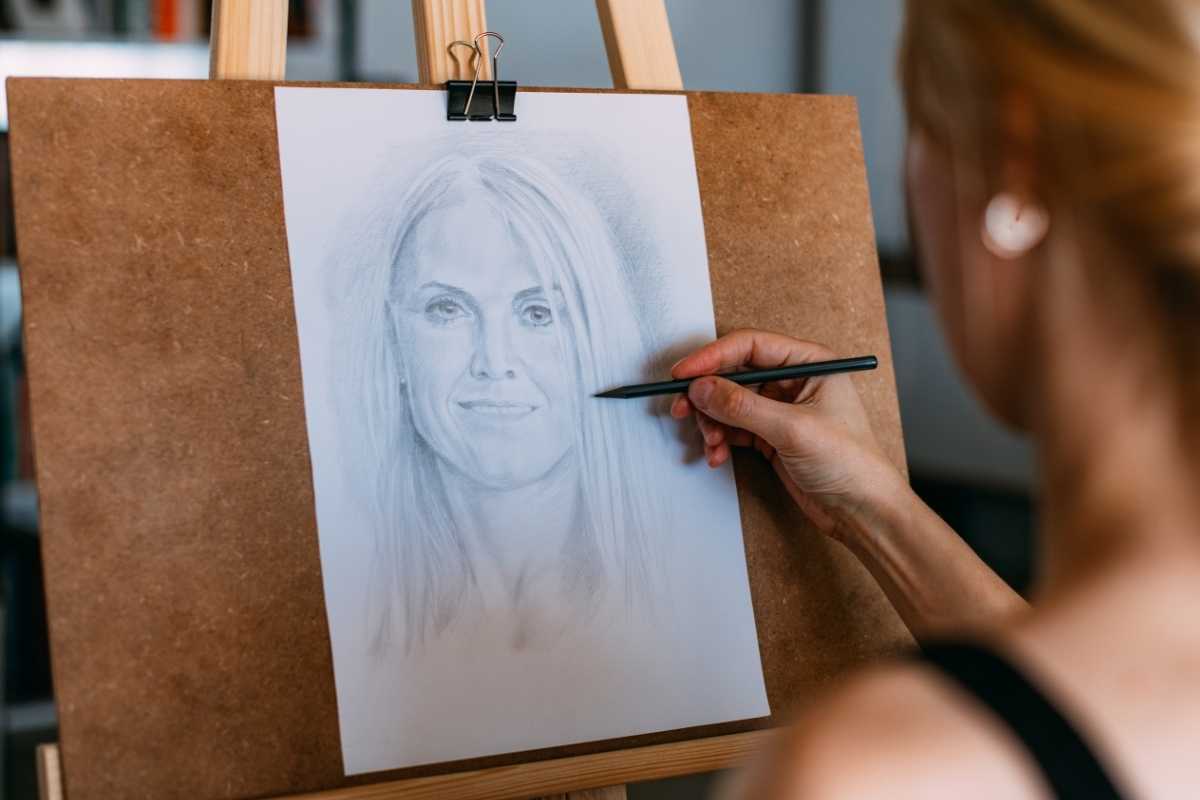
Pencils: HB for structure, 2B–4B for shadows, 6B only for accents. Paper with a light tooth helps you layer without waxy shine.
Blend with pencil strokes first; use a stump sparingly to keep texture. This simple kit supports any hair tutorial drawing and minimizes fuss so you can focus on form and flow.
Workflow to memorize: big masses → value map → weave midtones along flow → pull highlights → add flyaways selectively. It’s the same for straight bobs, curly afros, or undercuts—just change the rhythm and spacing.
Practice Plan (15–20 Minutes A Day)
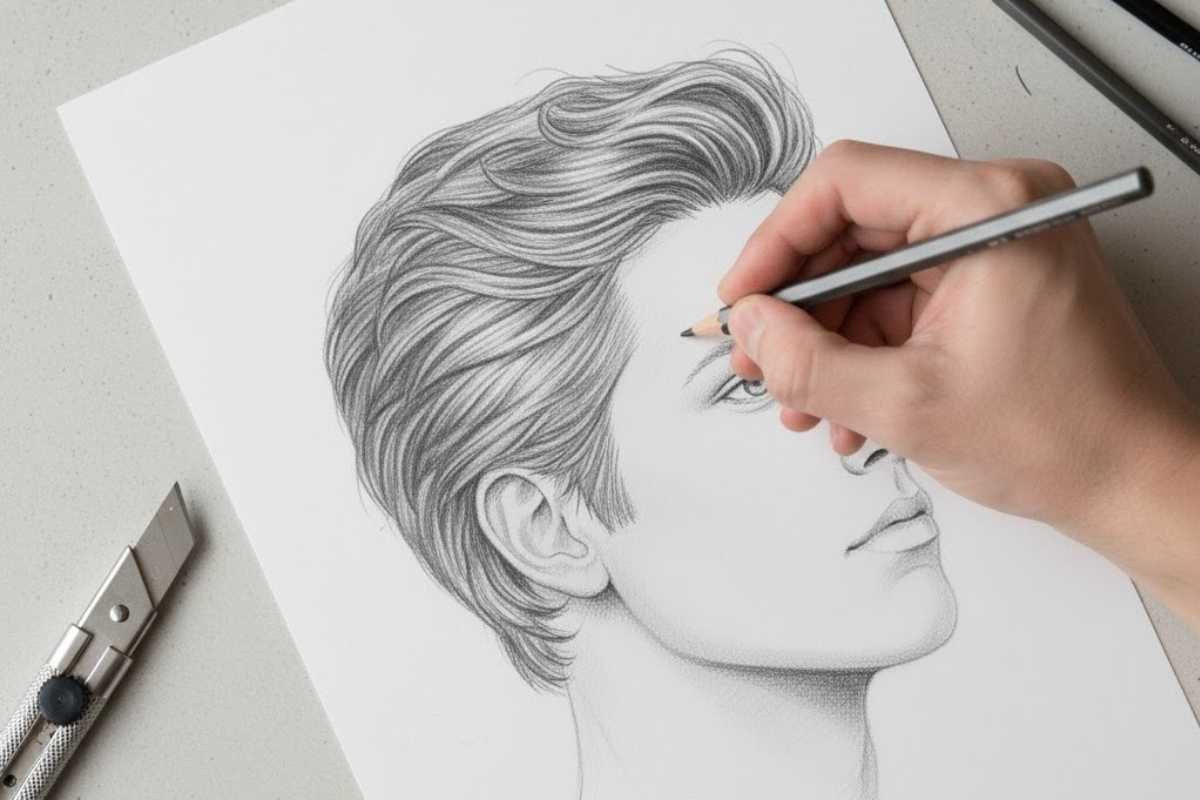
Day 1–2: 6 silhouettes each day in 90-second bursts.
Day 3–4: 3 value studies (no strands) focusing on light placement.
Day 5+: 2 polished minis using the 5-step graphite process.
Rotate references so your hair reference drawing library covers length, texture, and angles. Consistency beats marathon sessions.
Remember: the goal isn’t drawing every strand; it’s convincing the viewer that thousands exist. Let value do the heavy lifting, and strands become the suggestion, not the subject.
Keep Creating With Urbaki Art
All tutorials and footage belong to their original YouTube creators. Visit each source above for full demos, materials, and extra tips.
Explore more portrait resources on Urbaki Art and pair these lessons with face construction drills for stronger likeness and hair-face integration.
Discover More Artistic Inspiration