
3 Oil Painting Ideas on Canvas You’ll Love


Oil painting ideas on canvas don’t have to feel repetitive or intimidating.
In this curated roundup, we spotlight three compact, high-impact projects that deliver skills you can reuse in any oil on canvas painting: hyper-realistic apples wrapped in plastic, a characterful duck study, and a plein-air-style landscape on a 6×8 board.
Each tutorial is hosted on Urbaki Art and credited to its original creators; here you’ll find what you’ll learn, why it matters, and who each project is for—so you can pick your next canvas with confidence.
Realistic Apples Wrapped in Plastic: Mastering Shine and Soft Edges
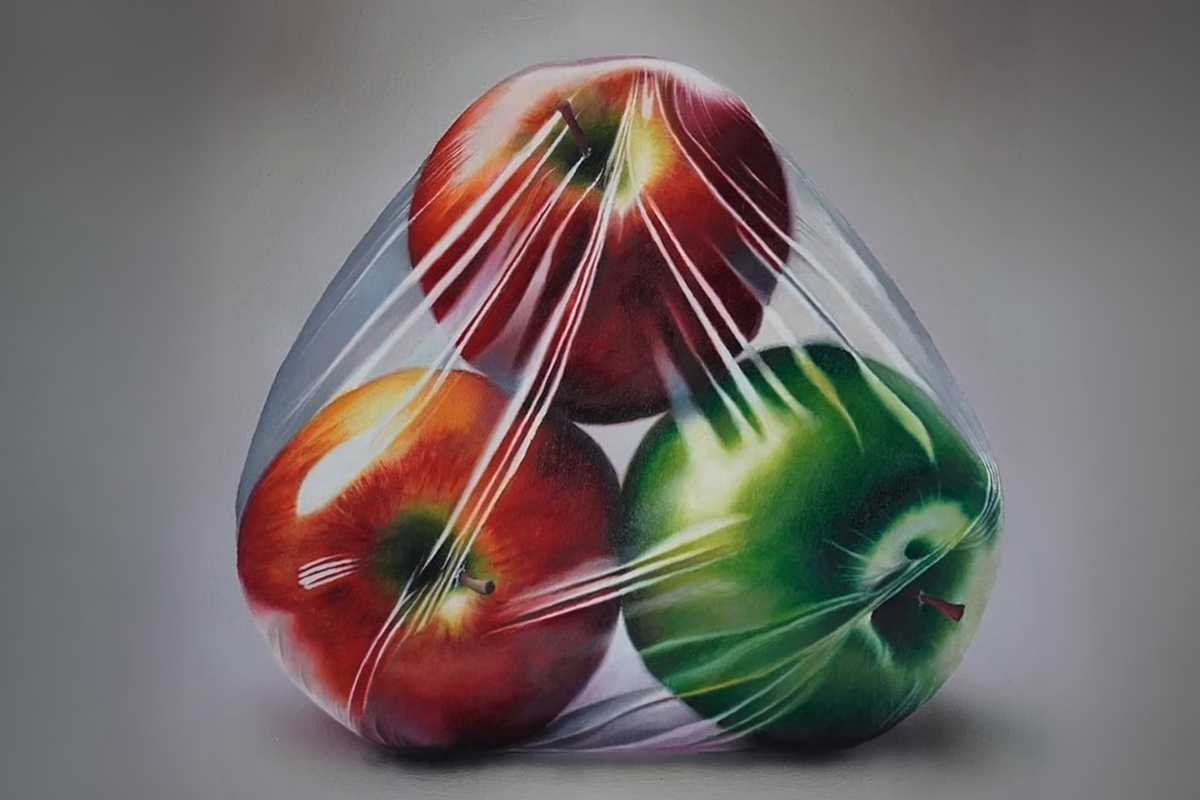
This project focuses on apples covered in plastic wrap—an unexpected motif that’s perfect for exploring reflections, translucency, and layered color.
It’s one of those Oil Painting Inspiration gems that trains your eye to see subtle shifts in temperature and value while keeping forms believable.
Expect to practice glazing, controlling halftones, and balancing crisp highlights against diffused edges.
Because the plastic introduces specular glare and soft warping, you’ll refine edge variety—the secret sauce of convincing realism in any oil painting canvas study.
Why it’s a keeper: this is among the smartest oil painting on canvas ideas if you want to level up surface effects without tackling a huge composition.
The skills transfer directly to glass, chrome, and glossy fruit—core motifs in countless Oil Art Painting Ideas.
Best for: painters comfortable with simple still life who want to add sparkle and nuance. If you’re seeking painting ideas on canvas oil paint that sharpen your observation in a single sitting, this delivers.
Click here to see the tutorial
Painting a Duck: Form, Feathers, and Character
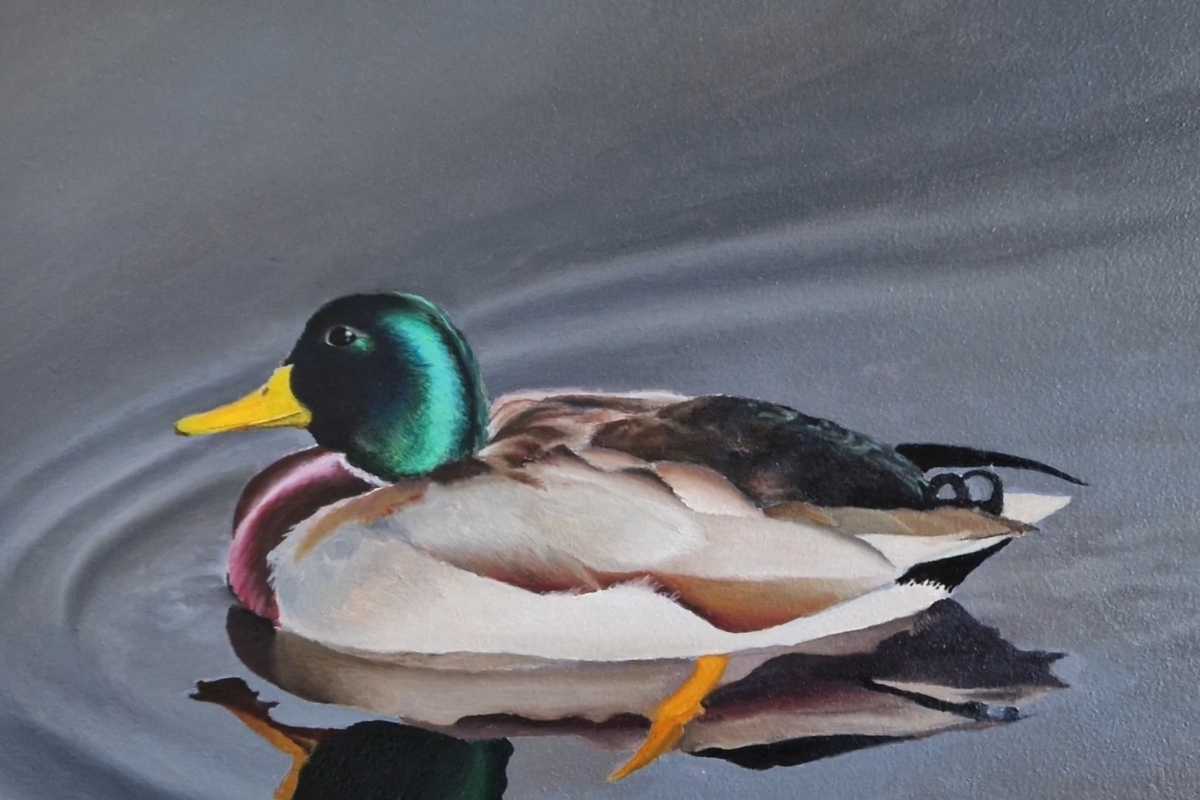
The duck tutorial is a compact animal study that packs anatomy, texture, and color harmony into a friendly format.
You’ll interpret feather groupings as large value masses first, then suggest texture with confident, economical marks—no need to render every barbule.
Key takeaways include simplifying complex patterns, mixing clean neutrals (for bills and shadows), and reserving high-chroma notes for the eye and specular hits. This study doubles as a primer in lost-and-found edges, helping the form feel alive rather than outlined.
Why it’s a keeper: animal portraits are perennial favorites among oil on canvas painting enthusiasts. This subject teaches how to keep color vibrant without losing realism—an approach that translates to birds, pets, and wildlife.
Best for: beginners-to-intermediate artists who want a characterful subject that rewards careful observation. Add it to your list of oil painting ideas on canvas when you need a focused, mood-rich study between larger projects.
Click here to see the tutorial
Landscape on a 6×8 Canvas Board: Composition at Pocket Scale
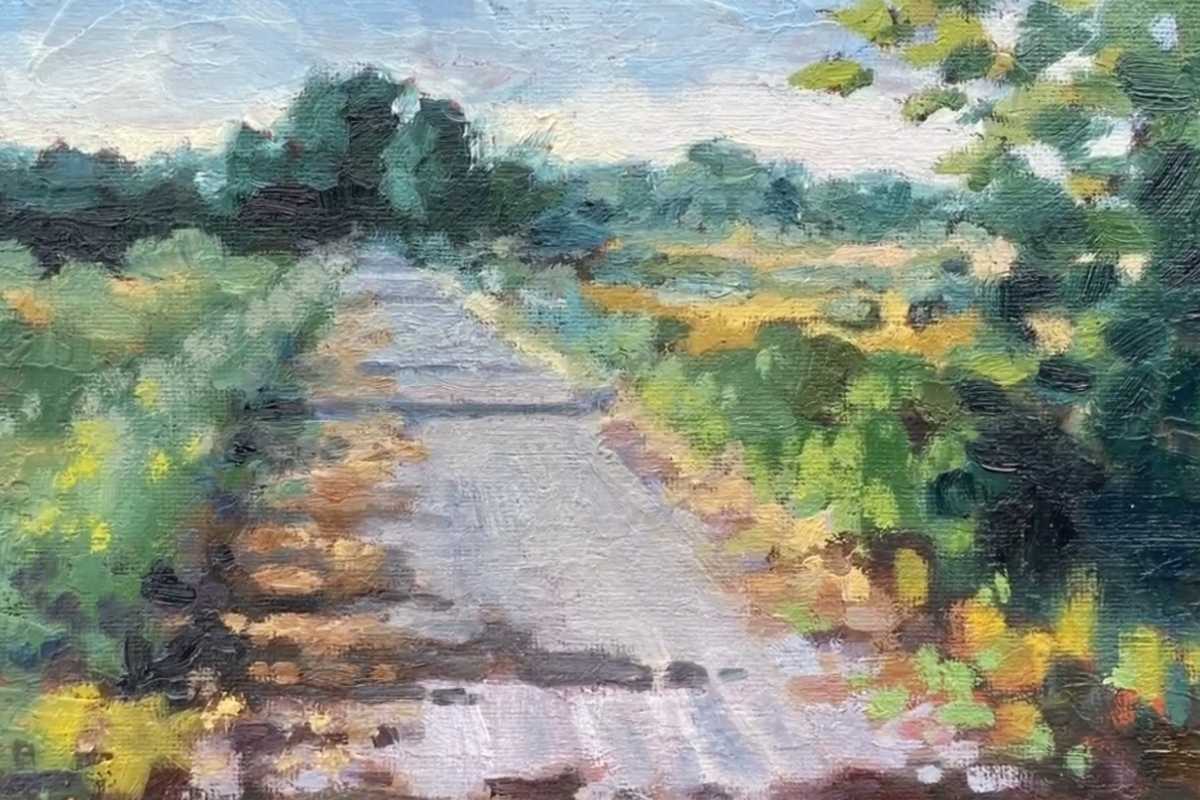
Working small forces clarity. The 6×8 landscape is a crash course in composition, big-shape design, and atmospheric perspective—an ideal field test for your next plein-air session.
You’ll block in major masses fast, then refine edges and accents without overworking.
Expect to practice value grouping, horizon placement, and color temperature shifts to push depth.
The format is forgiving: if a passage stalls, you can scrape and restate without losing hours. That makes it one of the most efficient oil painting on canvas ideas for building mileage.
Why it’s a keeper: small boards reduce decision fatigue and invite experimentation—swap skies, try a different light key, or adjust leading lines. It’s a portable lab for testing Oil Art Painting Ideas before you commit to a larger panel.
Best for: all levels. If you’re gathering Oil Painting Inspiration, a 6×8 landscape turns theory into practice quickly and shows you precisely where your composition skills shine—or need attention.
Click here to see the tutorial
How to Use These Three Studies Together
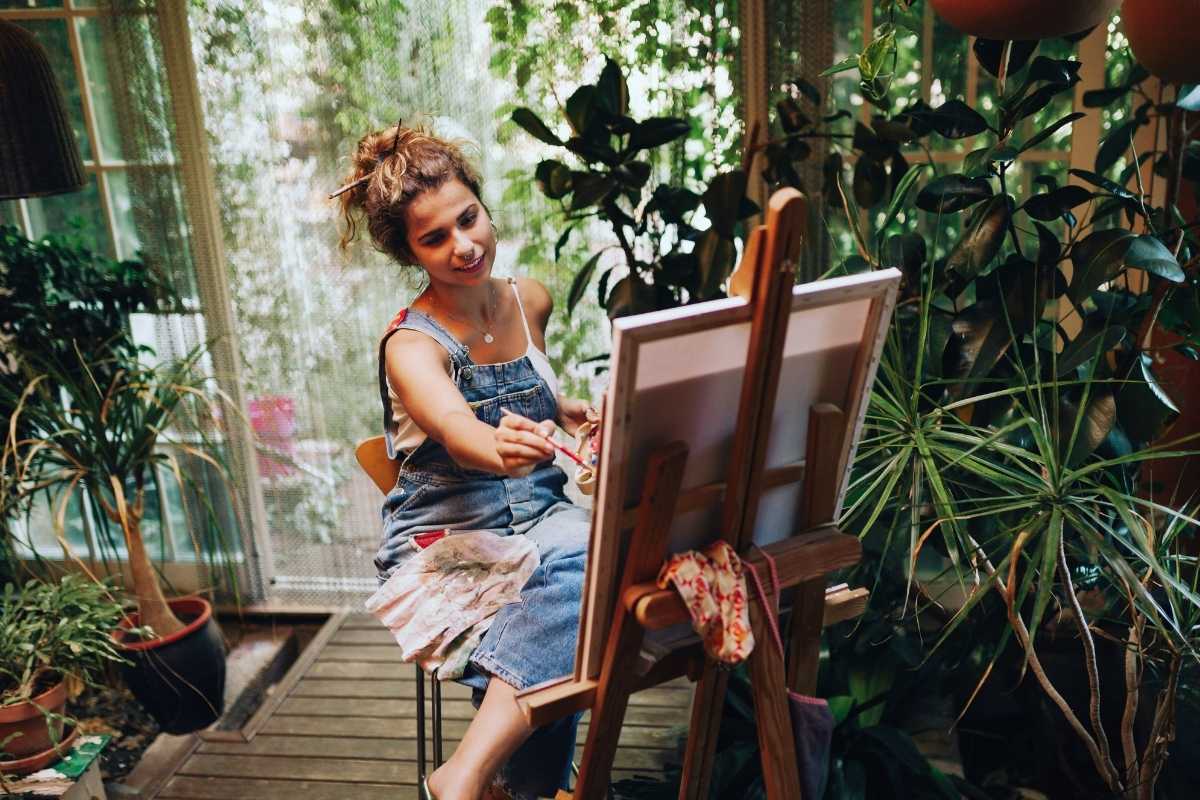
Tackle them in this order: apples for edges and reflections, duck for texture and color priority, landscape for shape design.
Rotate the trio weekly and you’ll notice gains in brush economy, value control, and compositional judgment—the bedrock of any strong oil on canvas painting.
Keep a consistent limited palette across all three. Consistency streamlines mixing and makes improvements easier to track from one oil painting canvas to the next.
Track time. Cap each session at 60–120 minutes. Speed constraints encourage decisive marks and prevent over-blending—a common hurdle in painting ideas on canvas oil paint projects.
Finally, photograph your stages. Reviewing process shots helps you see when the painting looked freshest, a habit that elevates every future study in your queue of Oil Art Painting Ideas.
Materials & Safety, Briefly
Use odorless mineral spirits (in a ventilated area), liners for solvent containers, and rags stored in a sealed metal can. Opt for hog bristle or synthetic brights/filberts and a stable primed surface for predictable handling.
Stick to a compact palette (e.g., titanium white, a warm and cool of each primary, plus a transparent earth). A small, consistent set makes your results comparable across studies and boosts learning consistency.
For the 6×8 board, pre-tone the ground to a mid-neutral. It speeds value decisions and reduces the intimidation of a blank surface.
Discover More Artistic Inspiration