
5 Watercolor Ideas For Your Sketchbook

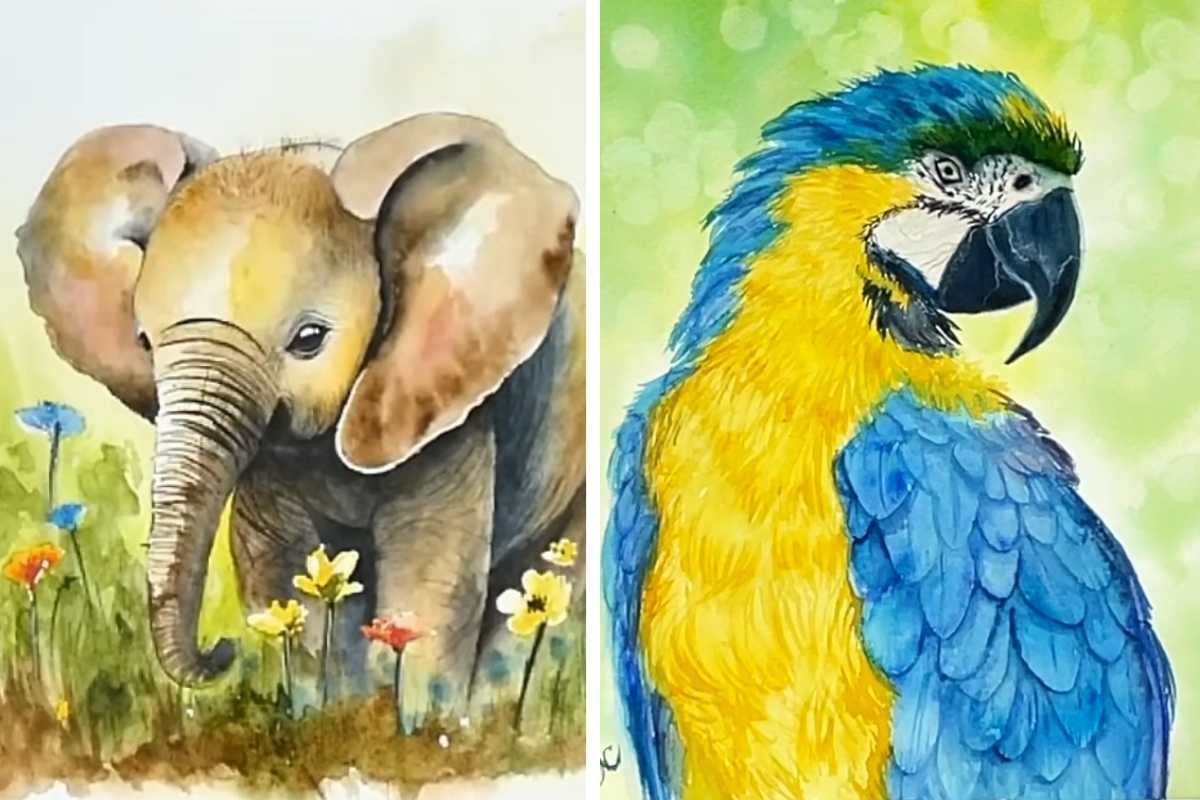
Craving fresh watercolor ideas for your sketchbook? This curated set of five projects blends approachable techniques with striking results—from glowing sunsets to bold birds.
You’ll get bite-size guidance, watercolor art inspiration, and jump links to the originals for every watercolor art tutorial.
Whether you prefer clean studies or display-ready watercolor art paintings, these picks keep practice fun and focused.
How To Use These Watercolor Art Ideas
Each project targets one core skill—edge control, glazing, limited palettes, or texture—so you progress fast. Keep your kit simple and repeat subjects to build muscle memory.
If you’re browsing aesthetic watercolor art ideas, treat each piece as a mini series: two or three small sheets per subject teach more than one big, pressured painting.
Tip: Write a one-line goal at the top of the page (“soft horizons,” “granulation,” “lost-and-found edges”). Intentional notes make practice sessions feel purposeful and that fuels consistent watercolor art inspiration.
1) Serene Sea Sunset (Soft Horizons & Glow)
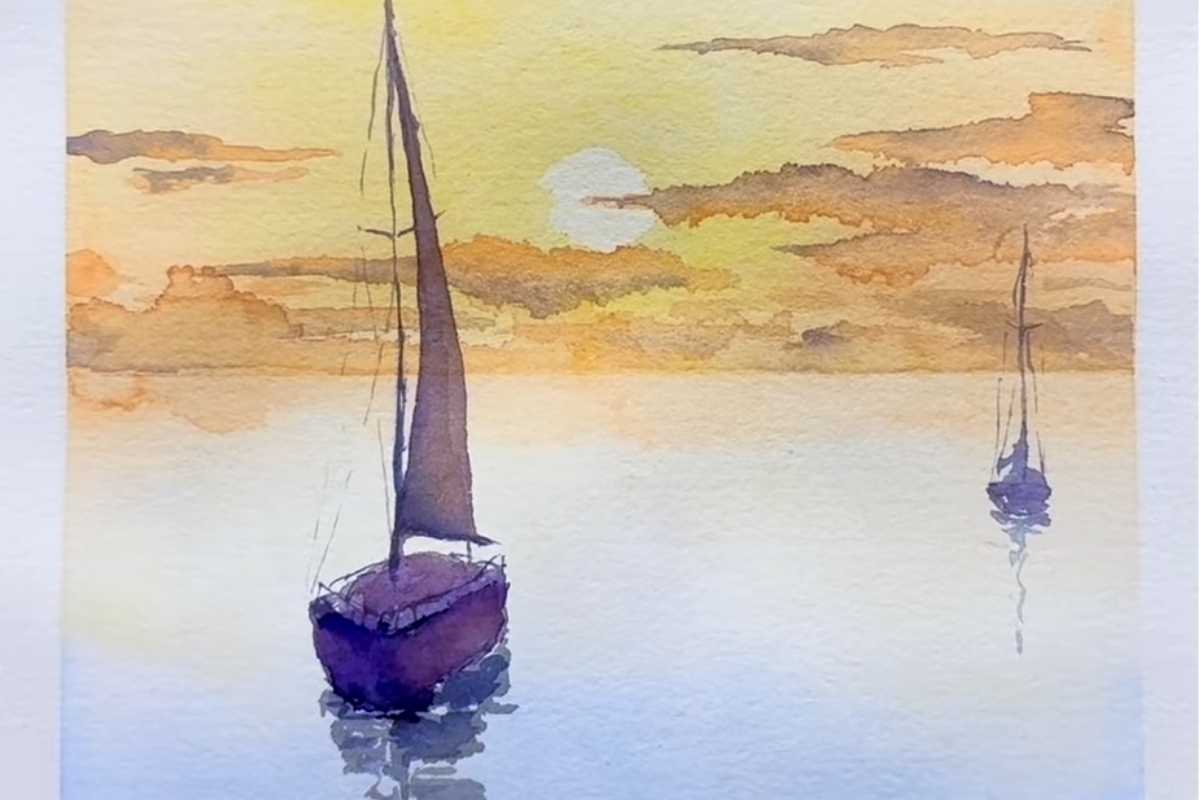
Sunsets are forgiving and cinematic. Build the sky with transparent layers, working wet-on-wet for seamless gradients and saving paper whites near the sun for natural bloom.
Let the sea mirror colors in broader, horizontal strokes. This is classic art ideas watercolor territory—simple shapes, high payoff.
Keep edges soft at the horizon and slightly harder in foreground ripples to suggest depth. A final glaze of warm tint around the sun creates that coveted glow in aesthetic watercolor art.
Click here to see the tutorial
2) Baby Elephant In Wildflowers (Negative Painting)
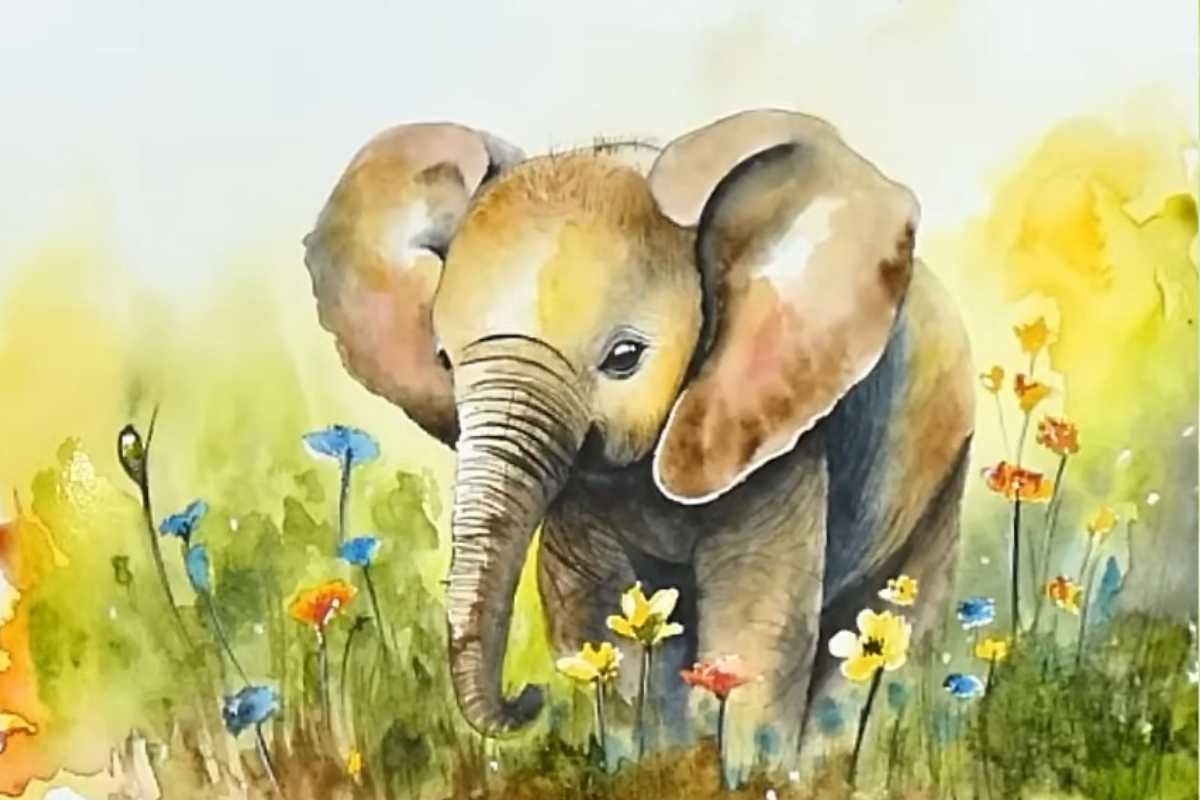
Combine gentle animal form with floral textures to practice edges and value grouping. Block the elephant in two or three big shapes, then “cut” wildflowers around it with negative painting.
This approach keeps the focal point clear and reads beautifully in sketchbook-scale watercolor art.
Limit detail to the eye, ear edge, and trunk tip. The rest can stay soft—your viewers will fill in the story. It’s an ideal study if you’re exploring narrative, character-rich watercolor art paintings.
Click here to see the tutorial
3) Limited-Palette Landscapes (Color Harmony)
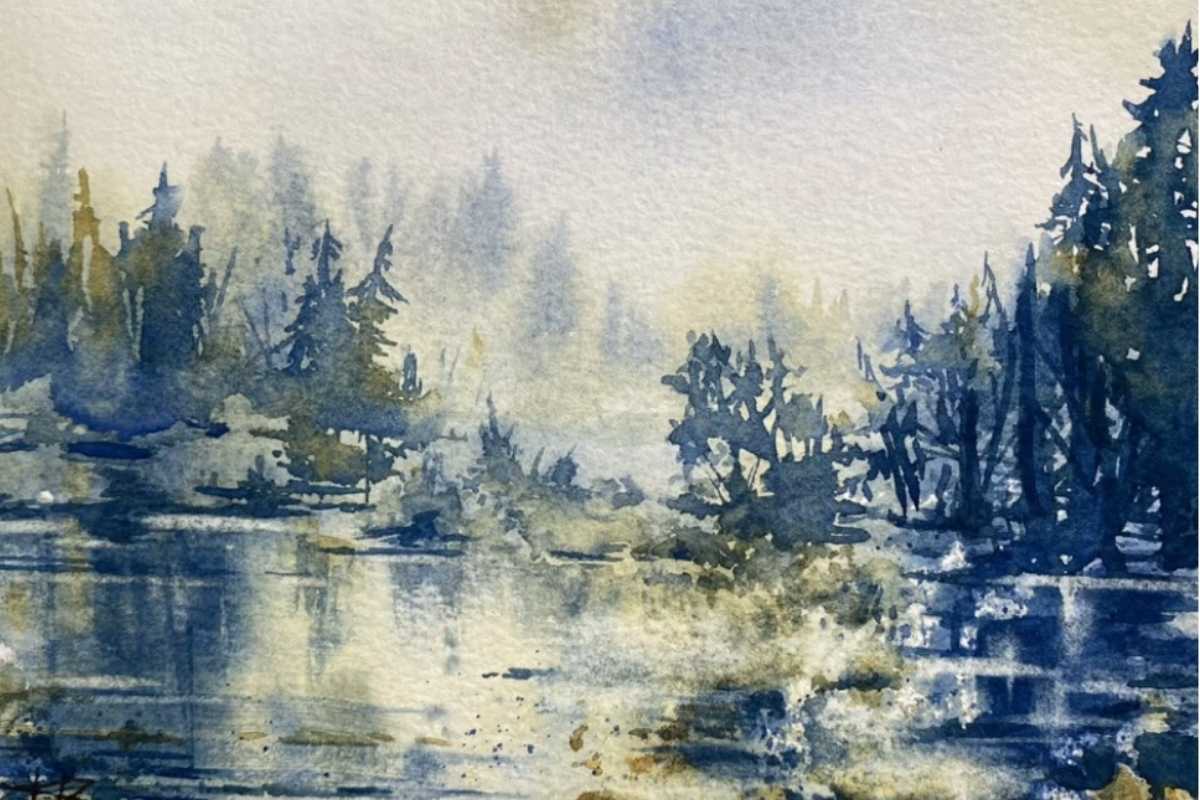
Pick three primaries (or a mother color) and mix everything from them. The constraint guarantees harmony and helps you learn mixing logic fast—gold for anyone building a capsule of watercolor art ideas.
Start with a value thumbnail, then paint large-to-small shapes, saving tiny accents for last.
Because every hue is “related,” these pages look curated—perfect for clean, gallery-ready aesthetic watercolor art ideas in your book.
Click here to see the tutorial
4) Citrus Oranges (Texture & Edges)
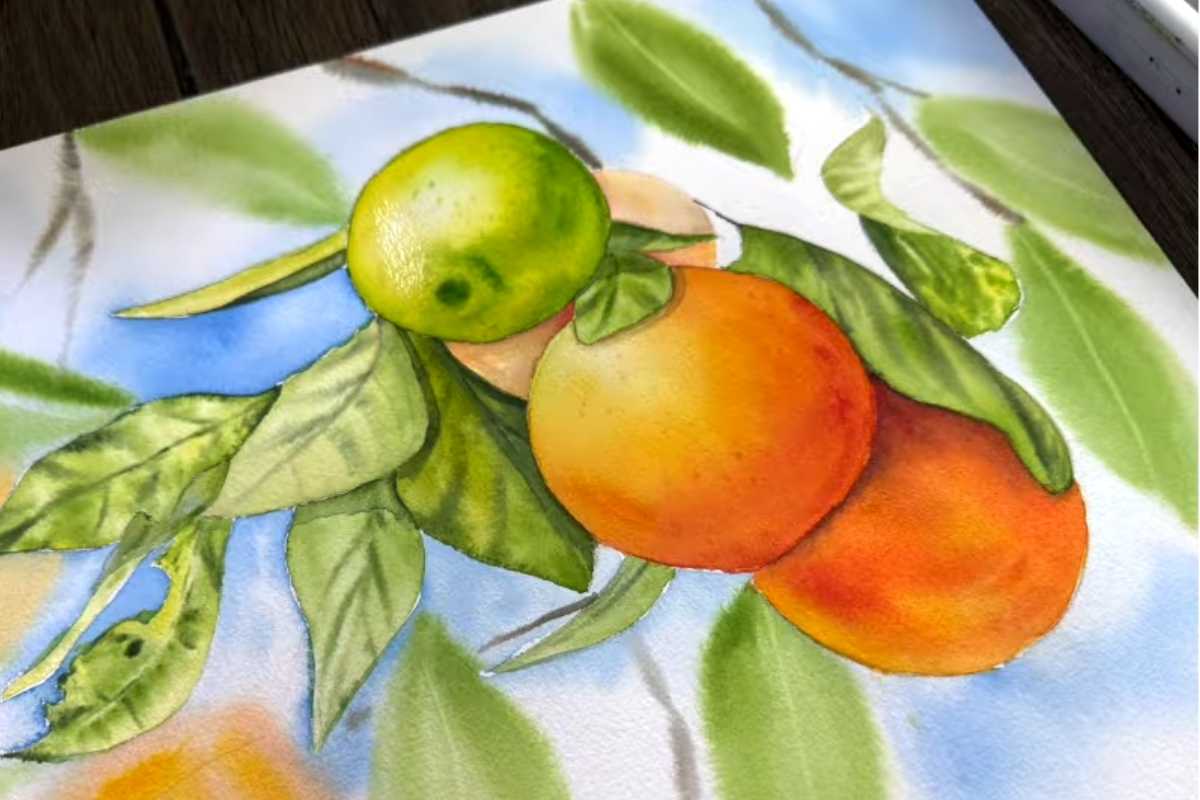
Oranges are a masterclass in edge variety: crisp on the rim, soft in the pulp, and specular highlights on the peel.
Use glazing for saturation, lift a few juicey sparkles, and add cast shadows to ground the fruit. Food studies like this are classic art watercolor exercises with instant “wow.”
Try salt or drybrush for peel texture, then unify with a warm glaze. This still life also doubles as quick content if you share watercolor art ideas online.
Click here to see the tutorial
5) Vivid Parrot With Atmosphere (Background-First)
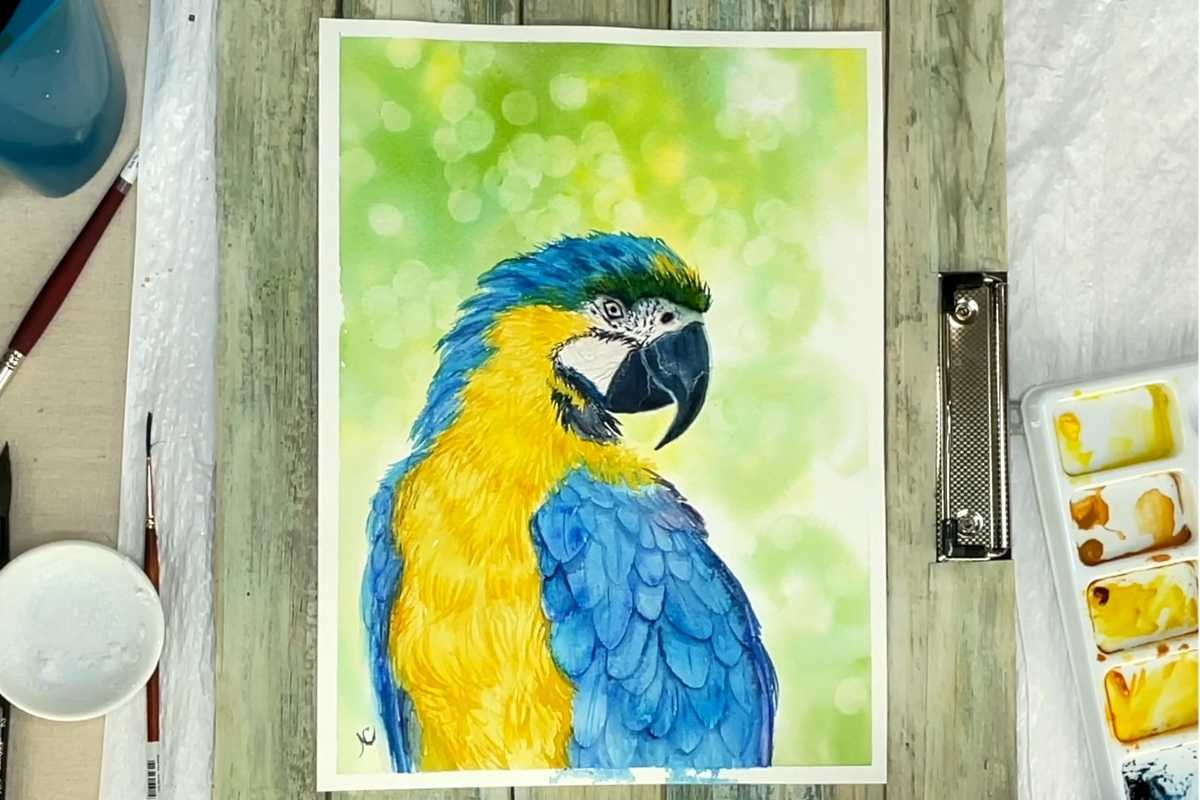
Flip your process: paint the background first to establish mood and silhouette, then drop in the parrot’s saturated colors.
Soft, atmospheric washes around the outline make feathers pop without over-detailing—great training for confident, graphic watercolor art paintings.
Reserve a few paper whites on the beak and eye ring. Finish with decisive, calligraphic strokes for flight feathers—an energetic take on aesthetic watercolor art.
Click here to see the tutorial
Sketchbook Workflow That Sticks
Prep two pages at a time: one for testing mixes and edges, one for the final piece. Timebox each study (20–30 minutes) and accept imperfect wins.
This cadence turns scattered practice into a library of watercolor art inspiration and repeatable lessons.
If you ever stall, revisit a favorite subject with new constraints—bigger brushes only, or three values max. Constraints spark creativity and keep your watercolor art tutorial sessions lively.
Materials & Quick Setup
100% cotton paper (140 lb/300 gsm) handles lifting and glazing best. A round brush (size 8–10) plus a flat for washes will cover most needs.
Keep two water jars and a scrap strip for swatches. With this lean kit, you can chase watercolor art ideas anywhere.
Optional: a limited triad set to practice the landscape palette, and a rigger for parrot feather accents. Small upgrades, big control.
Discover More Artistic Inspiration