
Create Stunning Forest Waterfalls with Oil Pastels and Sandpaper


If you're looking for an affordable yet beautiful way to create art, using oil pastels on sandpaper might just be the perfect solution.
In this tutorial, you'll learn how to paint a serene forest waterfall scene using one of the most budget-friendly and beginner-friendly techniques available.
Oil pastels, combined with the texture of sandpaper, offer a unique opportunity to explore expressive strokes, texture, and color blending without the need for expensive materials.
This method is not only accessible but also portable and ideal for both quick studies and more detailed artwork.
Whether you're a beginner or an experienced artist, oil pastels on sandpaper allow you to achieve rich color saturation and dynamic texture, making it a versatile and enjoyable medium to work with.

Why Choose Oil Pastels and Sandpaper?
Affordability and Accessibility
Oil pastels are a low-cost medium compared to traditional paints like oil or acrylic. Even budget-friendly brands of oil pastels can provide impressive results when used correctly.
When combined with sandpaper, this approach eliminates the need for other expensive supplies like brushes, thinners, or specialized canvases.
The textured surface of the sandpaper not only makes the medium more affordable but also adds an extra layer of creativity.
The rough texture of the sandpaper allows for interesting effects that would be difficult to achieve with smoother surfaces, making it ideal for creating expressive, textured artwork.
Versatility for Beginners and Professionals
This technique is perfect for beginners because it’s so accessible and easy to learn. Sandpaper provides a natural texture that aids in blending and layering colors, so even those new to oil pastels can see immediate results.
It’s also an excellent choice for quick studies since the setup is minimal and cleanup is easy.
At the same time, this method offers great potential for advanced artists looking for unique ways to create depth and detail in their landscape paintings.
The layering capabilities of oil pastels allow for intricate detailing, while the sandpaper gives you a rough texture to work with for more expressive results.
No Brushes or Thinners Required
One of the major advantages of using oil pastels on sandpaper is that you don’t need any brushes, mediums, or thinners. This is ideal for artists who want to avoid additional costs or messy setups.
You can use your fingers or tools like cotton swabs to blend and layer the oil pastels, keeping things simple and hands-on.

Painting Forest Waterfalls with Oil Pastels
Building Depth in Landscapes
Landscapes, especially those featuring natural elements like waterfalls and trees, require an understanding of depth and perspective.
Using oil pastels on sandpaper allows you to achieve these effects in a unique way. The layering process will help you create depth in your waterfall scene by building up darker values in the shadows and lighter colors in the highlights.
By starting with basic shapes and layering your colors gradually, you can work on creating a natural progression of light and shadow that helps define the forest scene.
Building up layers of color will allow you to create the illusion of distance in your landscape, making the trees and waterfall appear more three-dimensional.
Textures in Nature: Water and Trees
Oil pastels on sandpaper excel at adding textures that resemble real-world surfaces. For a waterfall, this method can create realistic, flowing water by layering blues and whites with gentle blending.
The texture of the sandpaper also contributes to creating a rough, natural feel to the rocks and water in the scene.
For the trees and foliage in your forest, the texture of the sandpaper allows you to add bold, textured strokes that mimic the rugged bark of trees and the uneven surface of leaves.
Layering different shades of green, brown, and yellow helps capture the varied texture of the forest floor and the trees, making the entire scene come alive.
Light and Shadow Effects
The use of light and shadow is vital when painting a forest scene, especially a waterfall where water creates contrasting reflections.
By using light oil pastel layers over darker underlayers, you can create the highlights that bounce off the water and trees. This technique adds dimension to your painting and creates a realistic feel.
The rough surface of sandpaper allows you to achieve a soft gradient effect in your shadows, making it easier to blend colors for smooth transitions. This effect is essential when creating the depth of the forest and the flowing water of the waterfall.
Materials Used
Oil Pastels (Budget Brand)
While higher-end oil pastels can provide smoother textures, budget oil pastels are perfect for this technique. They can still deliver vibrant, pigmented results when used on sandpaper, and the affordable price makes it easier for anyone to get started without a significant financial commitment.
Sandpaper (Medium Grit)
The medium grit sandpaper provides a balanced texture that allows you to blend your colors while still holding onto some roughness to create natural textures. The texture of the sandpaper will also help your pastel layers adhere better, creating a more durable finish.
Cotton Swabs for Blending
Cotton swabs or your fingers are all you need to blend the oil pastels on sandpaper.
Using a cotton swab allows for precision, particularly when blending smaller areas like the waterfall or shadows in the trees. It gives you greater control over your layers without disturbing the texture of the sandpaper.
Fixative (Optional)
To preserve the finished artwork, you may want to use a fixative to set the pastels. This is optional, depending on whether you plan to frame the piece or keep it in your sketchbook.
If you decide to use a fixative, be sure to choose a spray fixative made specifically for oil pastels to avoid damaging your artwork.

Perfect for Every Artist
Whether you’re just starting or are a seasoned artist looking for an affordable way to create beautiful landscape scenes, oil pastels on sandpaper offer a great solution.
This technique is especially ideal for artists on a budget or those who enjoy creating textured, vibrant landscapes.
In this tutorial, you’ll not only learn how to create a beautiful waterfall scene, but you’ll also discover the joy of painting with simple materials that allow for creativity without breaking the bank.
So, grab your oil pastels and sandpaper, and let your imagination flow as you paint your own beautiful forest waterfalls!
We thank Art of John Magne Lisondra for the images.
Enjoy The Video Tutorial
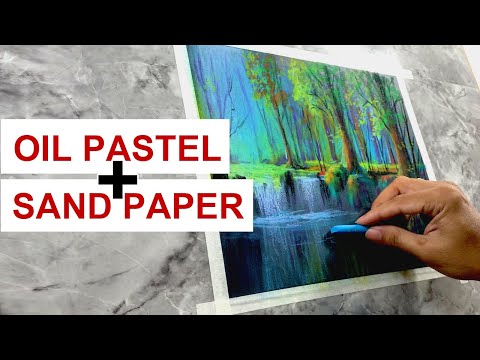
Source: Art of John Magne Lisondra
Did you find this post useful or inspiring? Save THIS PIN to your Art Board on Pinterest! 😊

Discover More Artistic Inspiration