
Learn to Paint Hydrangea Flowers in Watercolor

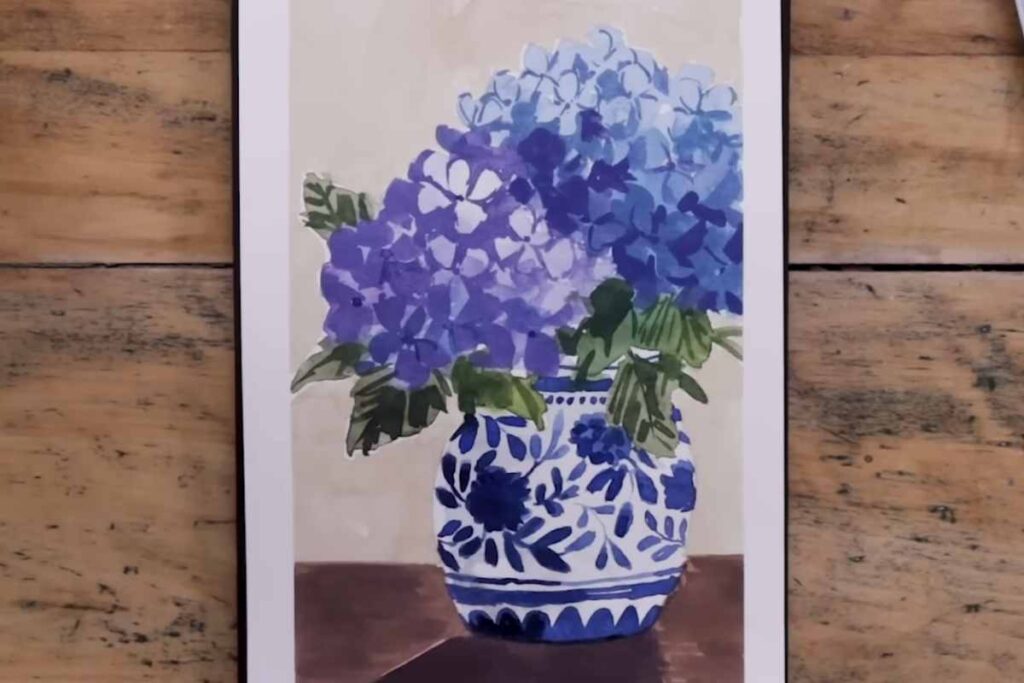
Painting hydrangeas in watercolor is a wonderful way to learn the basics of floral painting while enjoying a calming and creative process. This tutorial is by Shayda Campbell.
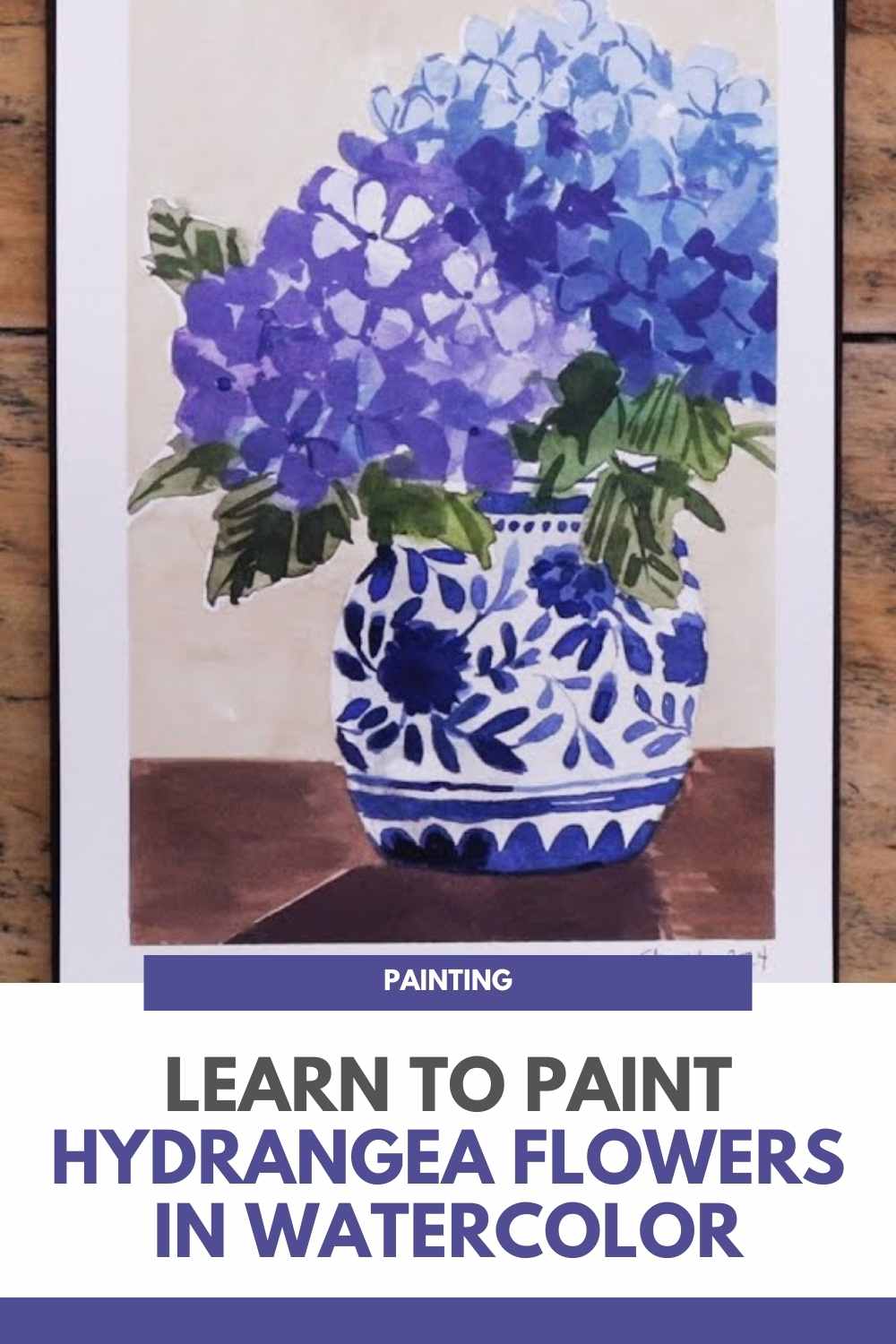
This beginner-friendly tutorial offers clear guidance on how to build soft petals, mix vibrant blues and purples, and bring the scene to life with elegant shadows and a beautifully painted vase.
Hydrangeas are ideal for watercolor practice because of their rounded shape and delicate clusters. Whether you're brand new to painting or brushing up on technique, this project teaches key skills while giving you a piece you'll be proud to display.
Why Hydrangeas Make a Great Subject
Simple Shapes, Big Impact
Hydrangeas may look complex, but they are made up of simple rounded shapes that can be broken down into small, manageable parts. Their clustered petals allow for loose, expressive brushwork while still creating a recognizable and eye-catching result.
The layered look of the flowers encourages playing with color depth and transparency, two of watercolor's most important qualities.
Bold Color Possibilities
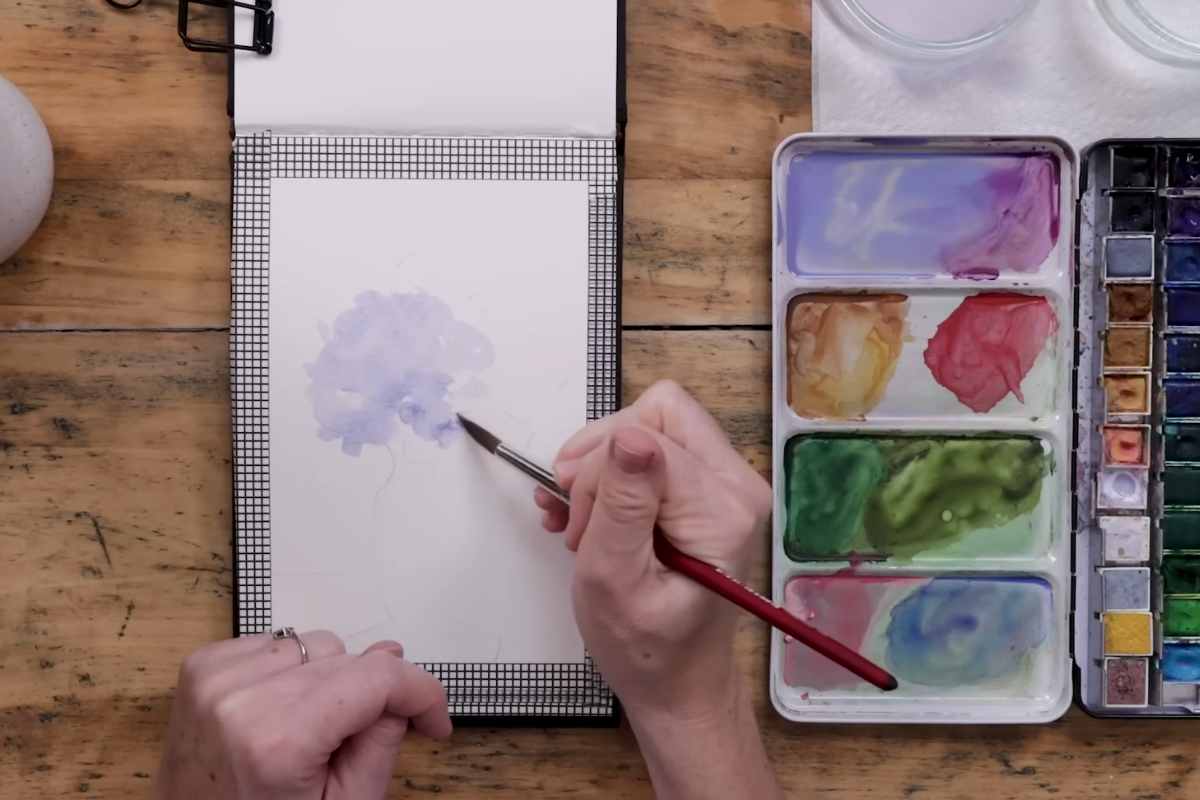
These flowers are also known for their stunning color range, from rich indigos and soft lavenders to powdery blues and pinks. That makes them a perfect subject for exploring color mixing and blending in watercolor.
You can go vibrant or muted depending on your style. Either way, hydrangeas allow for color creativity while remaining grounded in nature.
 Shayda Campbell (@shaydacampbell)
Painting the Blue and White Porcelain Vase
Delicate Details and Pattern Play
One of the most charming parts of this tutorial is the blue and white porcelain vase. It adds contrast, visual interest, and a classic touch to the floral arrangement.
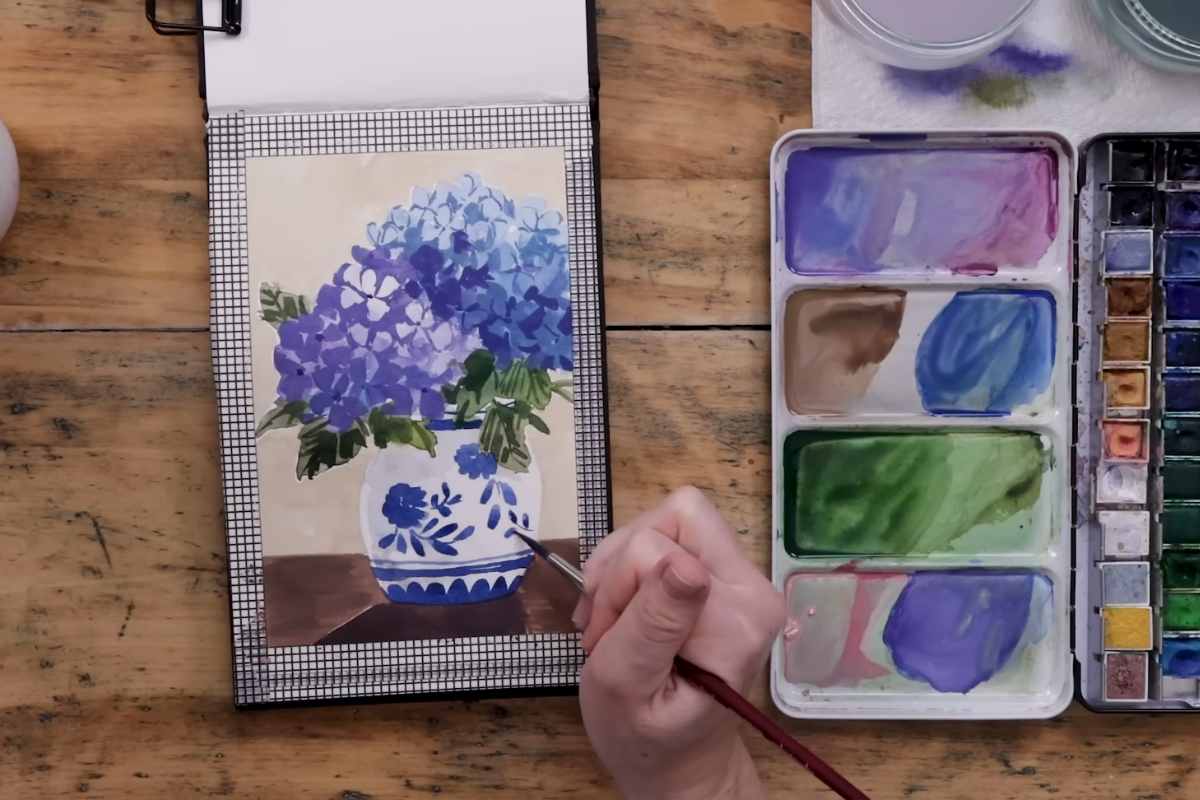
Painting the vase offers a great opportunity to practice symmetry, simple geometric shapes, and brush control. The floral patterns are decorative but approachable, and they give the piece a refined, finished feel.
Reflections and Shadows
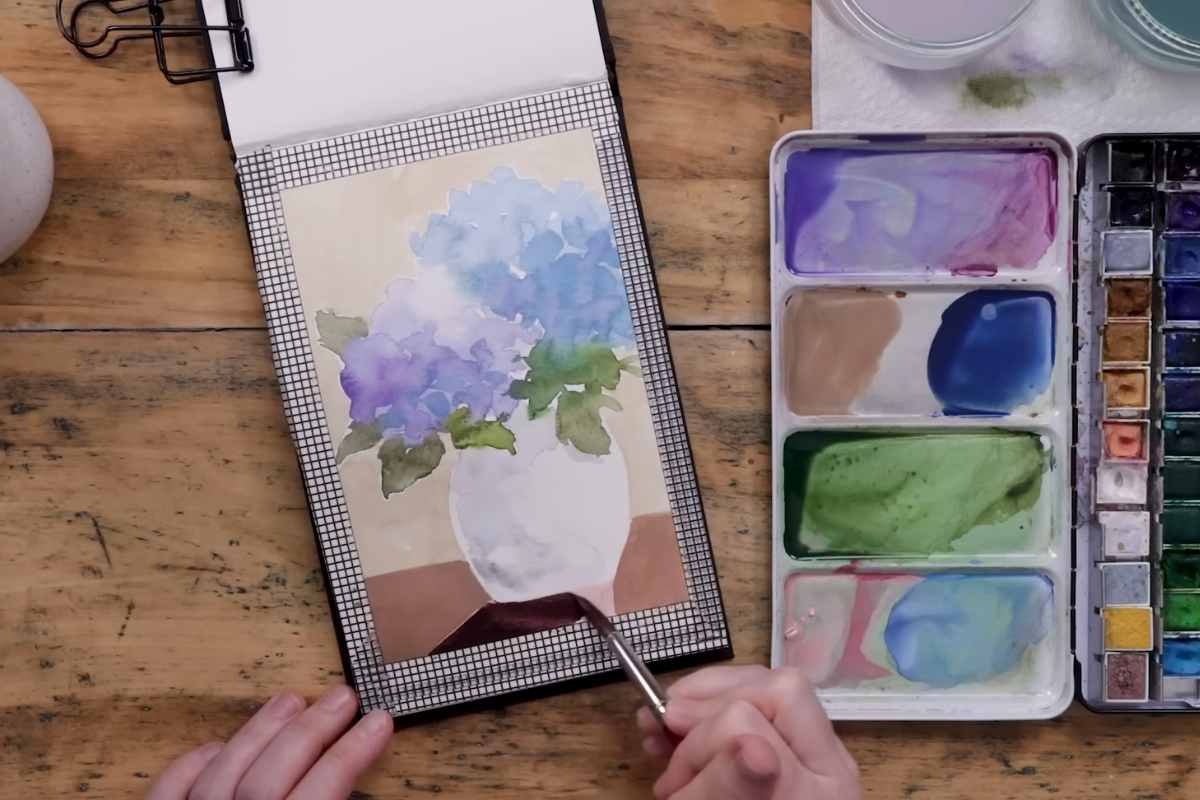
The vase also introduces basic shading techniques. You’ll learn to give it form and depth by adding light washes and gentle shadows, making it appear three-dimensional without losing the freshness of watercolor.
 Shayda Campbell (@shaydacampbell)
Understanding Shadows and Depth
Creating a Sense of Light
Watercolor shines when you use transparency and layering to imply light. In this piece, soft shadows beneath the vase and behind the flowers help anchor the composition and give it structure.
Shadows are built with subtle hues—not just gray, but mixes of warm and cool tones that reflect the environment and add mood. These gentle touches enhance realism while keeping the painting light and airy.
Petal Layering for Volume
Each hydrangea bloom is made of small petals layered together. With a few brushstrokes and color shifts, you can give the impression of volume and movement. The key is to layer from light to dark, letting each wash dry slightly before adding more detail.
This process helps you develop patience and control—two essential watercolor skills.
 Shayda Campbell (@shaydacampbell)
A Tutorial Built on Encouragement
Perfect for Beginners
This tutorial is designed to be encouraging, not intimidating. It offers a step-by-step approach that builds skills gradually, while also leaving room for experimentation.
You'll gain confidence in painting curved shapes, handling water-to-paint ratios, and balancing light and dark areas. Even if your flowers turn out different, they will still have personality and charm.
Focused on Enjoyment and Growth
More than anything, this is a tutorial about enjoying the process. There’s no pressure for perfection. Every brushstroke is part of learning, and the final result reflects your unique hand and style.
Final Thoughts
Painting hydrangeas in watercolor is the perfect project for beginner artists who want to explore floral painting, develop control, and have fun with color.
With its inviting composition, vibrant palette, and simple structure, it offers just the right balance of guidance and creative freedom.
By the end, you'll not only have a finished painting you can frame, but also a deeper understanding of how watercolor behaves—and maybe even a new favorite flower to paint.
We thank Shayda Campbell for the images.
Enjoy The Video Tutorial

Source: Shayda Campbell
Did you find this post useful or inspiring? Save THIS PIN to your Art Board on Pinterest! 😊
Discover More Artistic Inspiration