
Mastering Color in Your Paintings for More Depth, Mood, and Harmony

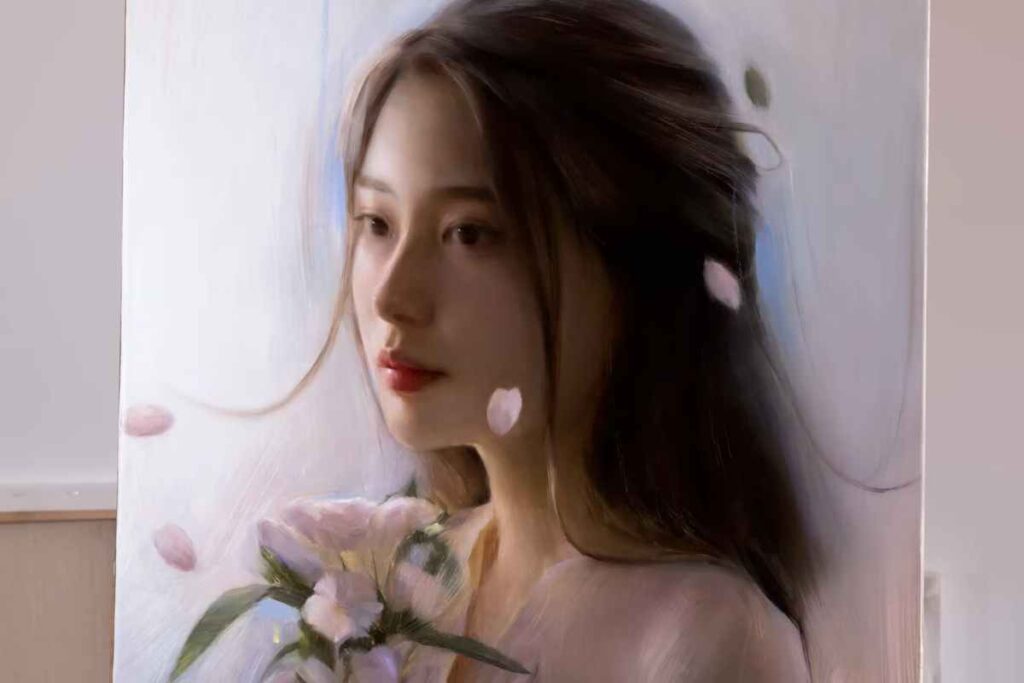
Color can completely change the feeling of a painting. It can make a scene feel calm, dramatic, warm, bold, soft, or full of movement.
In Mastering Color in Your Paintings, you’ll get a closer look at how color choices can shape your artwork and help your paintings feel more intentional. This is a helpful watch for artists who want to build more confidence with painting color theory, color harmony, and visual impact.
Why Color Matters So Much in Painting
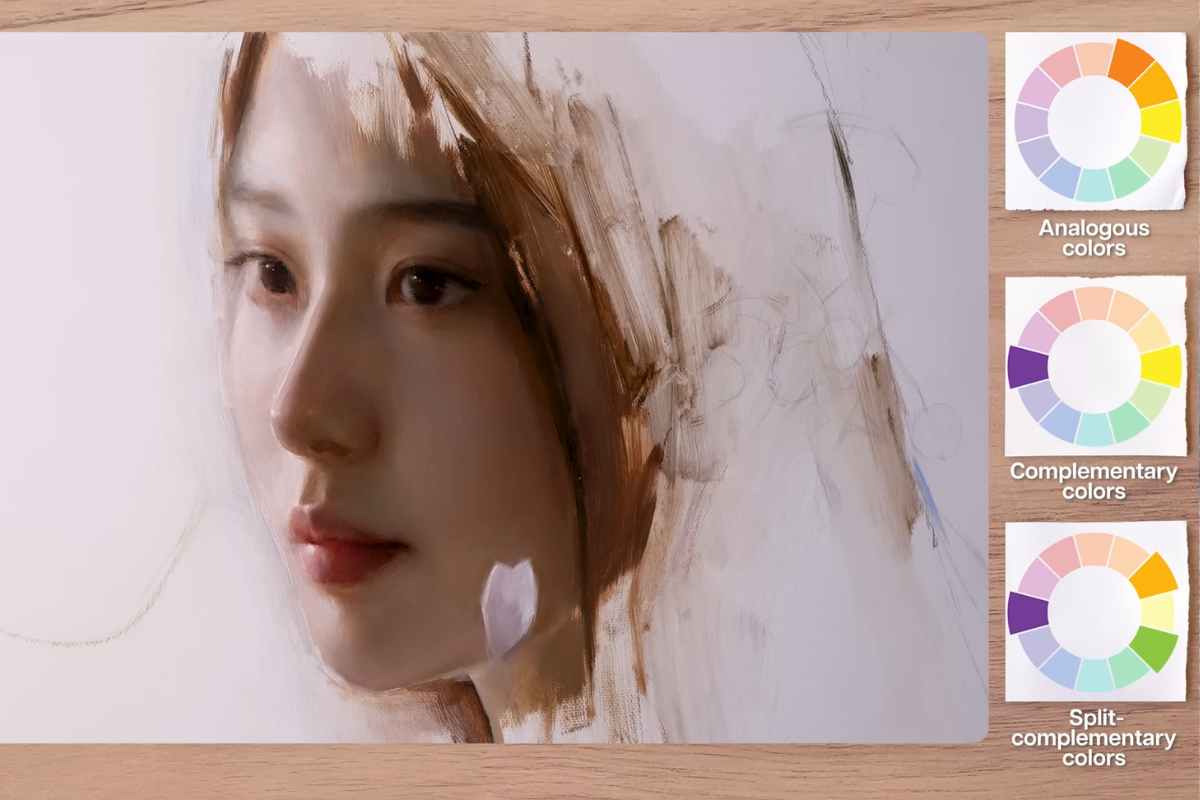
Color is one of the most powerful tools an artist can use. Even before someone notices the subject of a painting, they often respond to the mood, contrast, and overall color harmony.
Learning how to use color more thoughtfully can help your paintings feel more balanced and expressive. Small choices, like shifting a color warmer or cooler, simplifying a palette, or creating stronger contrast, can make a big difference in the final piece.
This video is a great way to think more deeply about how to use color in painting without overcomplicating the process. Whether you paint landscapes, portraits, abstract work, florals, or still life, stronger color decisions can help your art feel more finished and visually engaging.
Mastering Color in Your Paintings With a Clearer Artistic Eye
In the video, you’ll see ideas that can help you look at color with more purpose. Instead of choosing colors only because they look pretty on their own, you can start thinking about how they work together inside the painting.
This is especially useful when you want to create depth, focal points, atmosphere, and emotional impact. A strong color plan can guide the viewer’s eye and make the whole composition feel more connected.
Source: Daria Callie
Simple Ways to Build Better Color Confidence
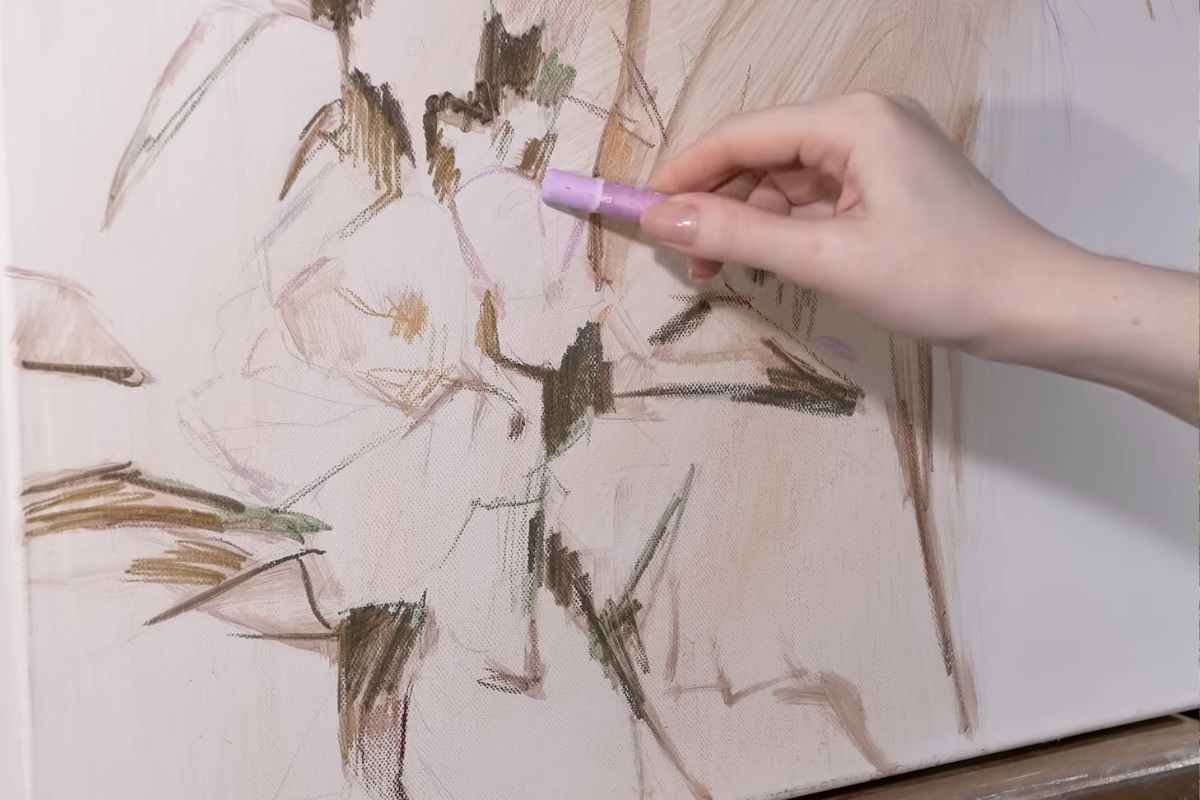
One helpful approach is to slow down before adding color and ask what feeling you want the painting to have. A limited palette can also make it easier to create color harmony in art, especially when you are still learning.
You can also study how colors change next to each other. A color may look bright, dull, warm, or cool depending on what surrounds it, so paying attention to relationships is just as important as choosing individual colors.
The more you practice observing color, the more natural it becomes. Save this video as a helpful reference whenever you want to improve your paintings with stronger, more intentional color choices.
Happy painting,
Sarah
Discover More Artistic Inspiration