
Night Semi-Arid Desert Acrylic Landscape Painting (Oval Brush Technique)

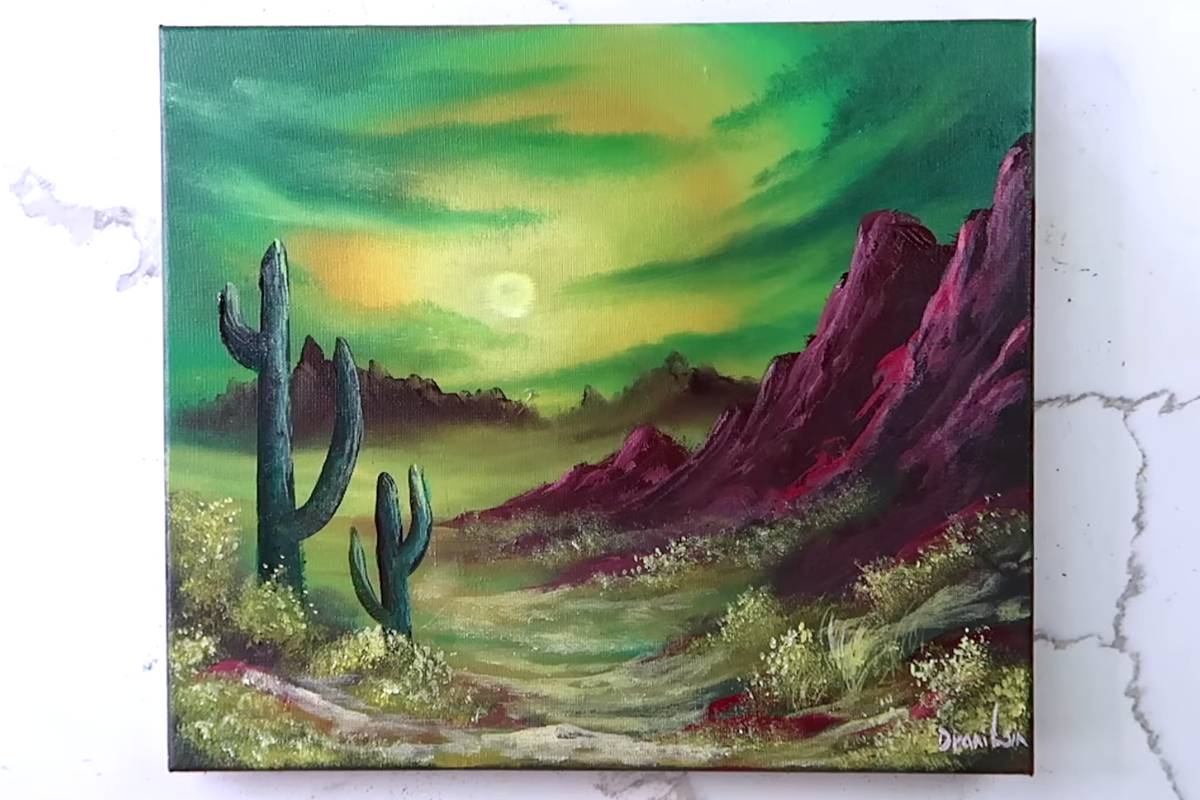
A moody night desert scene is one of those paintings that looks impressive—but can be surprisingly approachable when you break it down into simple shapes and layers.
In today’s tutorial, you’ll see how an oval brush can help you create smooth transitions and soft texture without overworking the paint.
If you enjoy calm landscapes, night skies, and desert silhouettes, this one is a fun project for any skill level (especially if you’re practicing blending and depth).
How the Oval Brush Helps You Paint a Night Desert Landscape
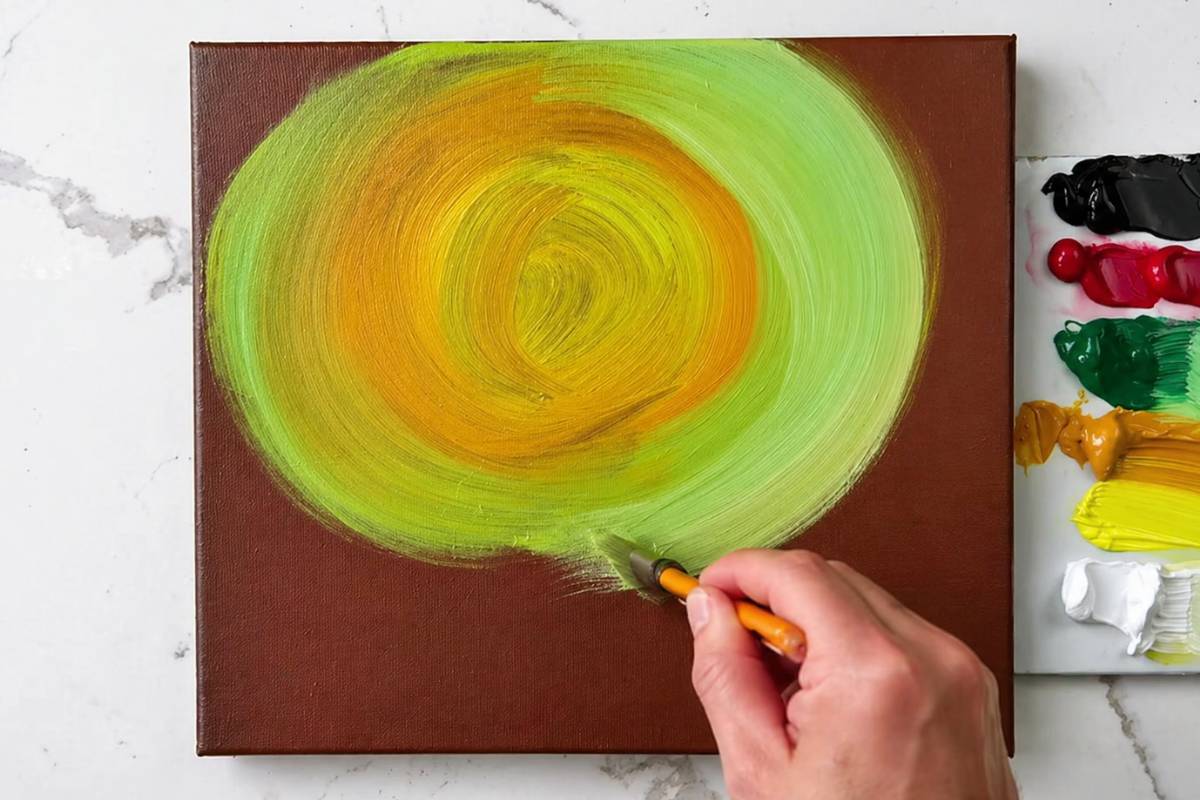
An oval brush is great for building a landscape fast because it can do a little bit of everything: blocking in big areas, softening edges, and adding subtle texture as you go.
In a night semi-arid desert painting, what matters most is the sky and ground, where smooth gradients and gentle shadow shifts make the scene feel realistic.
In the video, you’ll see how to layer acrylics to suggest cool moonlit tones and warm sand shadows, plus how to add small desert details (like cactus shapes and sparse vegetation) without making the composition look busy. The goal isn’t tiny perfection—it’s clean values (lights/darks) and confident shapes.
A few helpful reminders as you paint along:
- Keep your first layers simple: big shapes first, details last.
- If your blends feel streaky, try lighter pressure and let the brush do the work.
- Night scenes look best when you protect your darkest darks and your lightest highlights.
We thank URARTSTUDIO for the images
Night Desert Acrylic Painting Tutorial With an Oval Brush (Step by Step)

Source: URARTSTUDIO
Common Mistakes in Night Landscape Acrylics (And How to Fix Them)
If your night desert looks “flat,” it’s usually a value issue—not a talent issue. Try these quick fixes:
- Everything is the same darkness: push the contrast by darkening your mid-ground or brightening your focal highlights.
- Hard edges everywhere: soften a few edges to create depth (distant areas should look calmer).
- Over-detailing too early: keep desert plants and textures minimal until your main sky/ground layers feel right.
That’s it—grab your paints, press play, and enjoy the process. Save this tutorial so you can come back when you want a relaxing landscape session (or a new oval brush practice piece).
— Michael
Discover More Artistic Inspiration