
Realistic Acrylic Painting: Sunlit Lemons Study

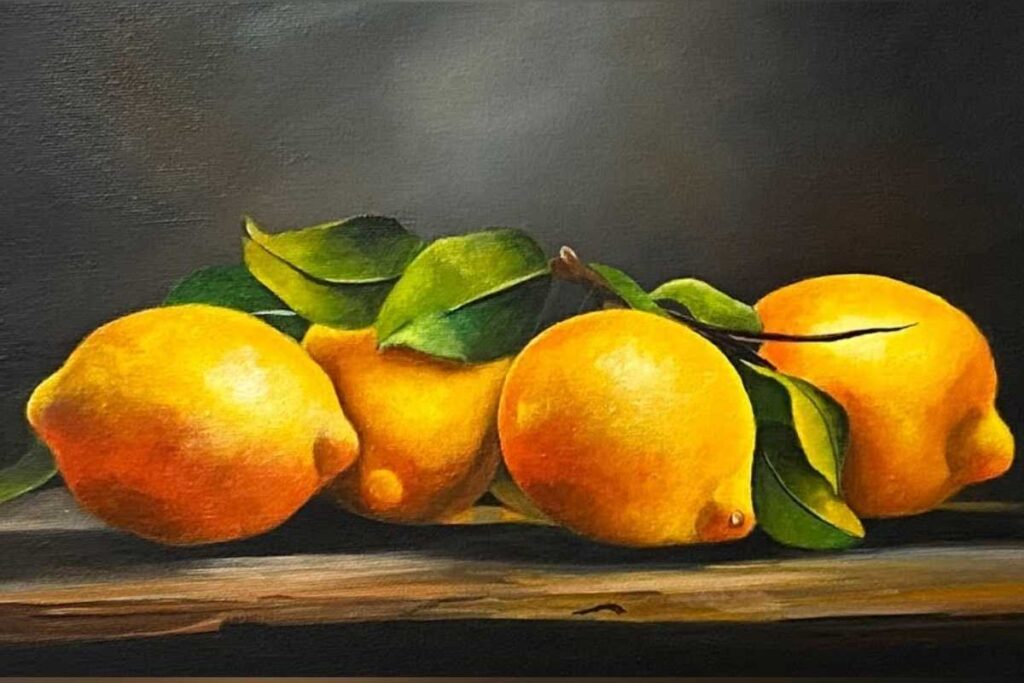
Ready to master a realistic acrylic painting that glows? This video walkthrough breaks down a luminous still life: sun-kissed lemons with lush leaves on a dark, reflective surface.
You’ll learn how soft light shapes volume, how edges control focus, and how a muted backdrop makes color explode—perfect if you’re exploring acrylic painting realistic techniques and want gallery-worthy results.
Why This Lemon Study Works
The subject is simple—but the lighting is everything. A gentle, directional glow carves round forms, while the dark ground sets up dramatic contrast.
Strategic soft and firm edges keep the eye on the brightest peel and the crisp leaf tips, making the composition feel like Real Painting captured in a single moment.
This approach sits squarely within Realism Art Painting: accurate drawing, disciplined edges, and believable reflections.
The reflective plane supplies those irresistible light “kisses” under each lemon, which you’ll handle with thin, controlled layers.
Materials & Setup (Keep It Lean)
Use a mid-smooth panel or canvas, a limited warm–cool palette, and soft synthetic filberts for clean blends.
Pre-tone the surface with a neutral so your lights feel brighter and your shadows read cohesive. Good raking light from one side helps you judge sheen while keeping the painting realistic.
Place real lemons against a dark cloth or board. A small reflector (white card) boosts leaf highlights without washing out the background.
Process Overview (No Step List, Just the Big Moves)
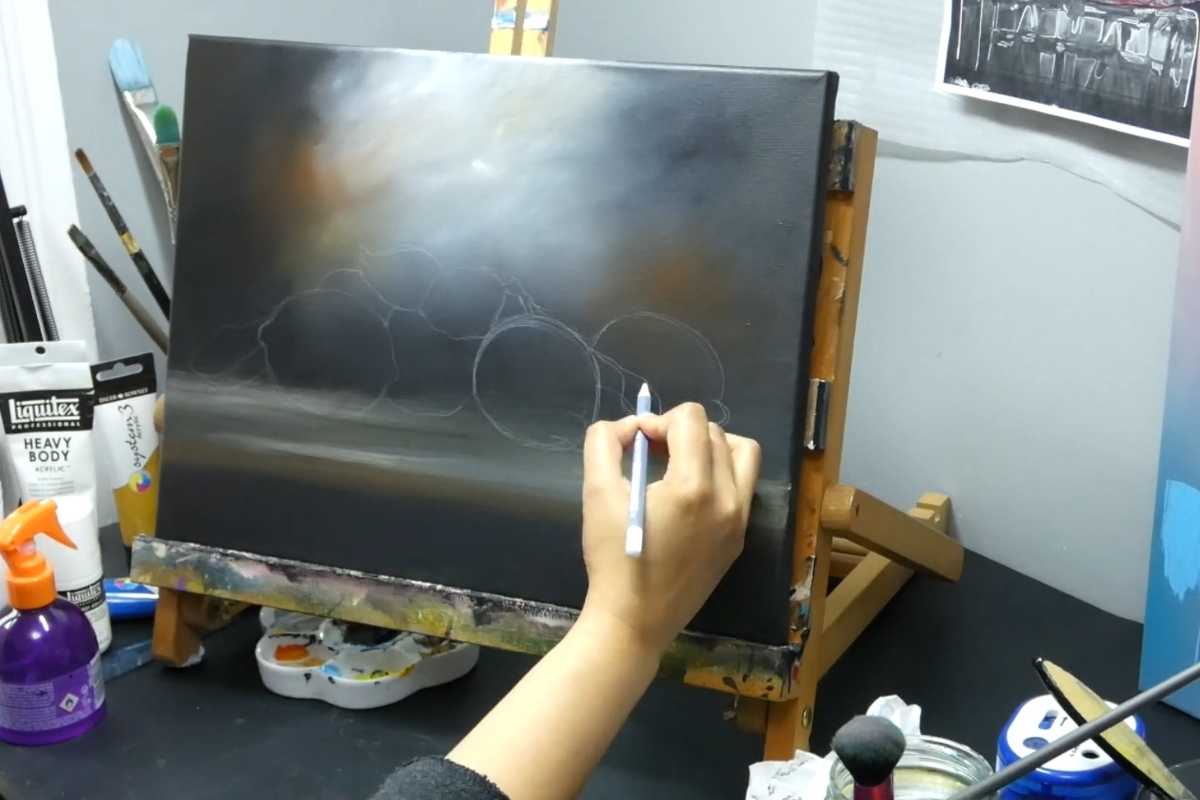
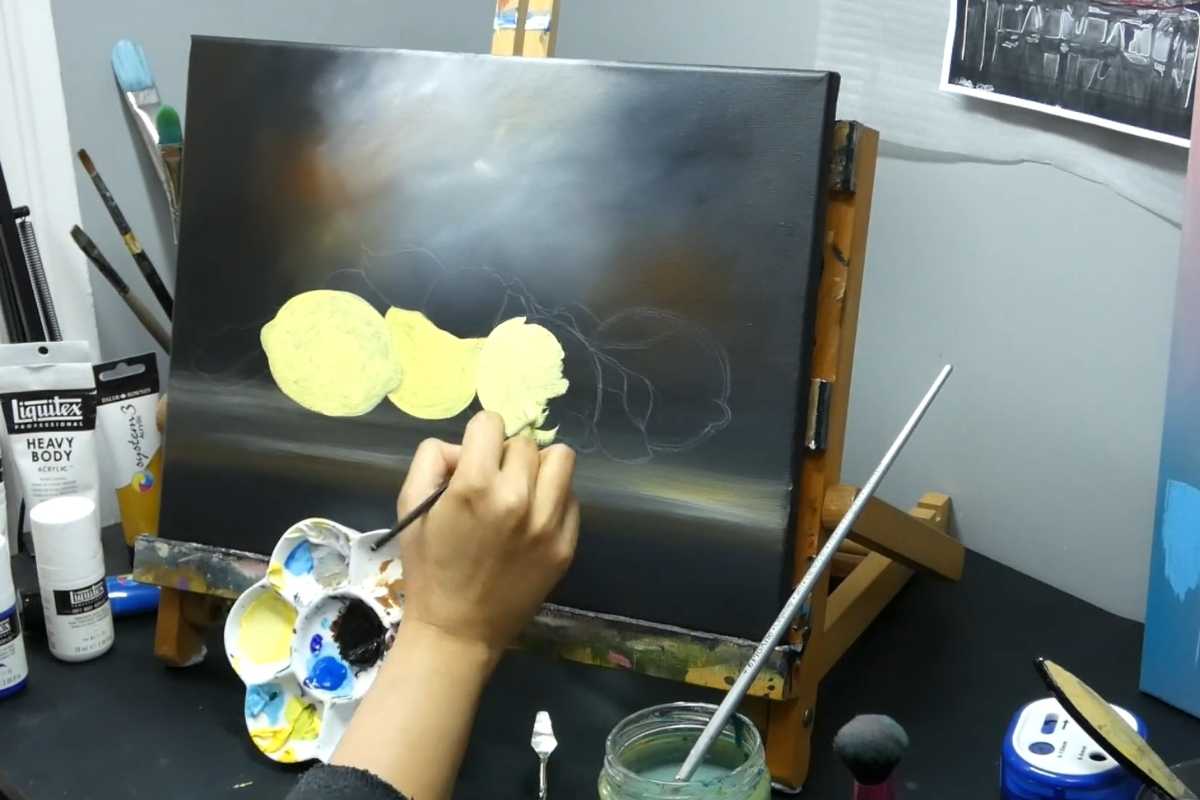
Block-in: Map silhouettes and shadow shapes in thin paint. Aim for proportion and spacing, not details. If you’re collecting acrylic painting ideas realistic, memorize this staging—it prevents overworking later.
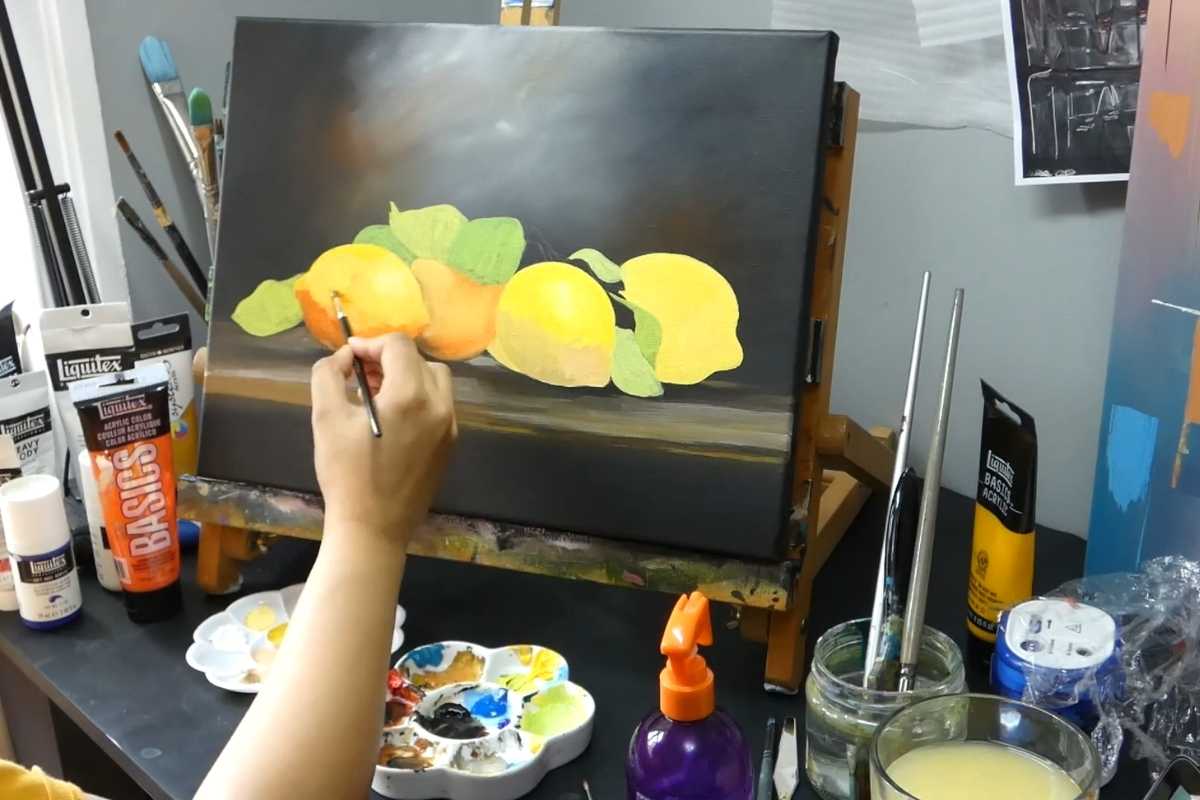
Form & Color: Establish halftones first, then add succinct highlights. Temper the yellows with cool notes in shade and warmer notes in light; this balance keeps the fruit believable.
Edges & Leaves: Vary edges around each lemon: firm at the light–dark meeting, softer where light wraps. Leaves get sharper veins near the focal area, softer elsewhere—classic acrylic realistic painting craft.
Reflections: Paint them thinner and darker than the source, with softened tails. A few crisp accents nearest the fruit sell the surface gloss without competing with the main highlight.
Color, Texture & Sheen Control
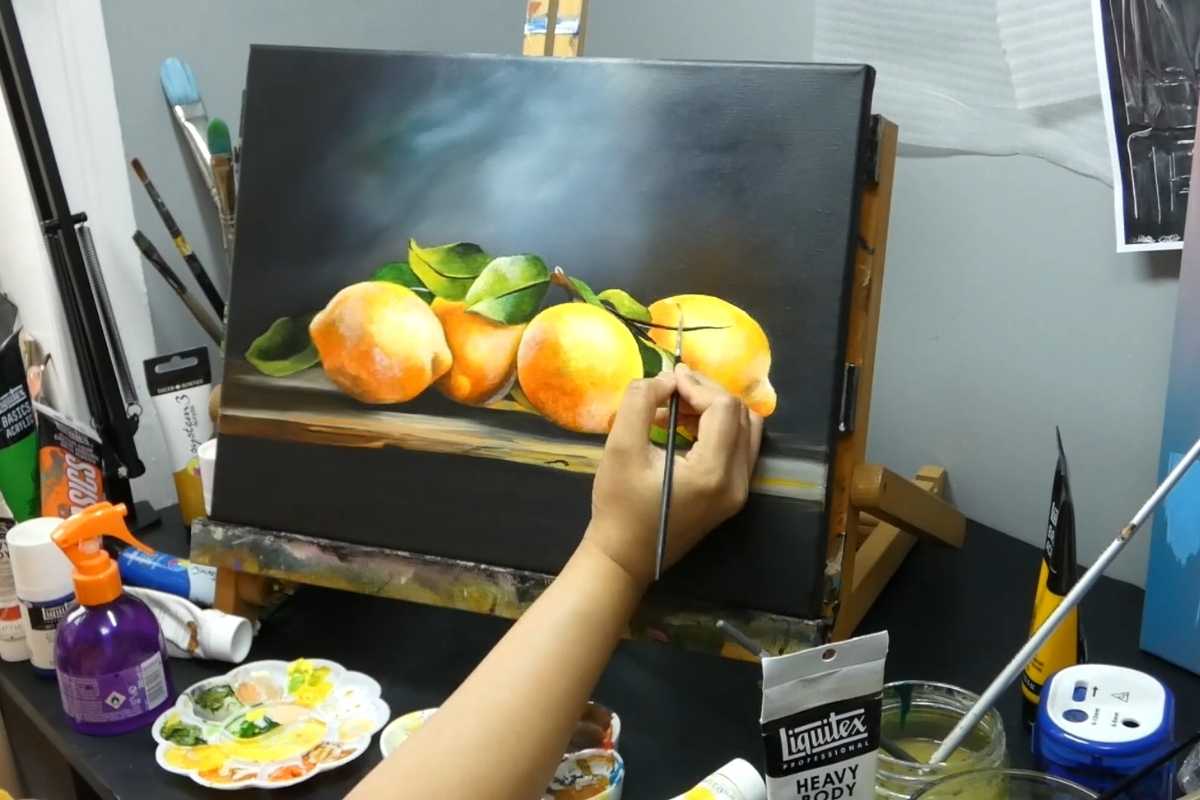
Break “yellow” into families: green-gold in shadow, creamy lemon in light, and tiny sparks of near-white at the hottest spots.
Glaze thinly to enrich chroma without chalking. For leaf realism, mix a cooler green for shadow planes and a warmer, sap-leaning green for lit planes.
Reserve thick, opaque paint for the final specular hits. That restraint is what elevates a study into Knock-out, Real Painting territory.
Common Pitfalls & Quick Fixes

Flat fruit? Rebuild the halftone band—most volume lives between shadow core and highlight. Soften transitions, then re-state a single crisp edge.
Plastic reflections? Desaturate and darken slightly; reflections are neighbors, not twins. Feather the far edge to keep the painting realistic.
Background too busy? Glaze a neutral veil to push it back. Your lemons should stay brightest, proving the power of painting ideas realistic that favor clear hierarchy.
Variations & Study Paths
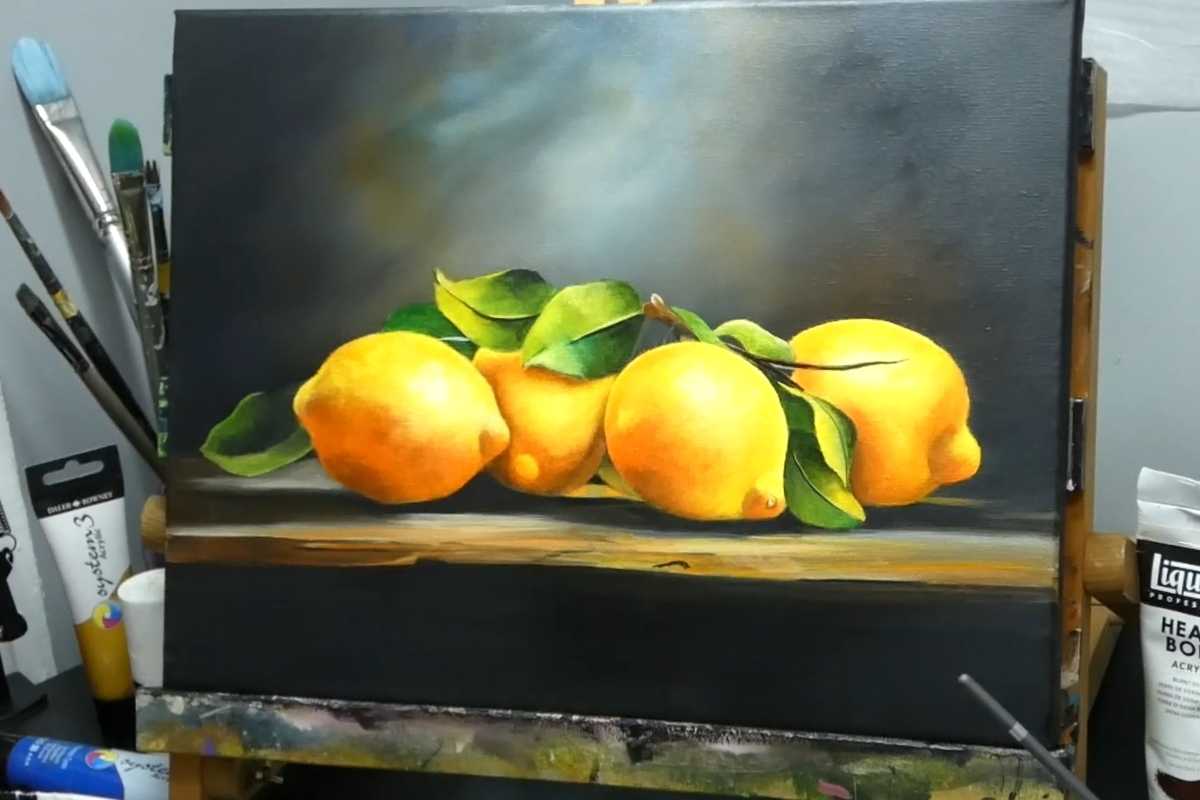
Swap lemons for limes or oranges to practice temperature shifts, or add a single metal spoon for advanced reflection play. Build a mini-series if you’re hunting acrylic realistic painting ideas—same setup, different light angles.
For a weekend sprint, keep the composition but change the support color. Logging these tweaks creates a personal library of acrylic painting ideas realistic you can expand anytime.
Who This Video Helps
Intermediate painters refining edge control, and ambitious beginners who learn best by observing confident, economical brushwork.
If you’re building a toolkit of acrylic painting realistic methods, this lemon study is a superb foundation piece.
Use the demo to guide your own notes, then iterate—small, repeatable studies are the fastest path to convincing acrylic realistic painting.
We thank Canvas Whispererr for the images.
Watch the Tutorial

Source: Canvas Whispererr
Discover More Artistic Inspiration