
So Amazing! The Beginner’s Guide to Drawing


Drawing is an incredibly fun and relaxing activity. Whether you're looking to explore a new hobby or refine your artistic abilities, learning the basics of drawing is the perfect place to start. With a little practice and the right mindset, you’ll be surprised by the amazing results you can achieve.
In this article, we'll cover some essential tips for beginners that will help you get started with drawing. Whether you're picking up a pencil for the first time or just want to sharpen your skills, these tips will help you improve.
The Right Mindset for Drawing
Before diving into drawing techniques, it’s important to discuss mindset. Many beginners feel frustrated when they don’t see immediate results.
It's easy to fall into the trap of comparing your work to others, especially with social media everywhere today. But remember, drawing is personal, and everyone progresses at their own pace.
Instead of comparing yourself to others, focus on comparing your present self with your future self. Think of how far you can go with consistent practice. Drawing is about growth, not perfection. Even seasoned artists make mistakes, so allow yourself to experiment and learn from your efforts.

Tools to Get You Started
One of the best things about drawing is that you don’t need fancy equipment to get started. All you need are a few simple tools:
- Pencils: A basic set of drawing pencils (ranging from hard H pencils to soft B pencils) will give you plenty of options to work with.
- Eraser: A good eraser, preferably a kneaded one, will help you correct mistakes without damaging the paper.
- Paper: Any paper will work for practice, but higher-quality sketching paper will improve your experience as you progress.
With these simple tools in hand, you’re ready to start exploring your creative potential!
The Importance of Practice
We’ve all heard the phrase “practice makes perfect,” and it’s absolutely true when it comes to drawing. The more you draw, the better you'll get.
As a beginner, focus on drawing as often as possible. You don't need to spend hours at a time; even 10 or 15 minutes of daily practice can lead to noticeable improvements.
When you’re starting out, try sketching simple objects around you. These don’t have to be complex; even something as simple as a coffee mug or a plant can help you develop your observational skills. Over time, you’ll begin to feel more comfortable and confident in your ability to capture what you see.

Don’t Strive for Perfection
One of the biggest traps for beginners is striving for perfection right from the start. Perfection isn’t the goal—progress is.
Mistakes are part of the learning process, and every line you draw, even the imperfect ones, is helping you improve. If you focus too much on making everything perfect, you might find yourself getting discouraged.
Instead, set small, realistic goals for yourself. Focus on improving one area of your drawing at a time, whether it’s proportions, shading, or learning to draw a specific object. These smaller, attainable goals will help you stay motivated and give you a clear sense of progress.
Celebrate Your Growth
Another great tip is to track your progress over time. Keep your early sketches, even if you’re not particularly proud of them. As you continue practicing, you’ll be able to look back at those early drawings and see how much you’ve improved. This will not only give you a sense of achievement but also help you identify areas where you can continue growing.
Remember, drawing is a process, not a race. The more you practice and enjoy the process, the more rewarding it will become.

Learn More with Tutorials
If you want to dive deeper into drawing techniques, there are many great tutorials out there. One particularly helpful video tutorial gives a fresh perspective on the basics and can really enhance your learning experience. Watching someone demonstrate techniques can make concepts easier to understand, and it’s a great way to pick up new tips.
Drawing is an enjoyable and fulfilling activity that anyone can learn. With the right tools, a positive mindset, and consistent practice, you'll be amazed at how quickly your skills can improve. So pick up that pencil, start sketching, and most importantly, have fun!
Enjoy This Video Tutorial About Drawing
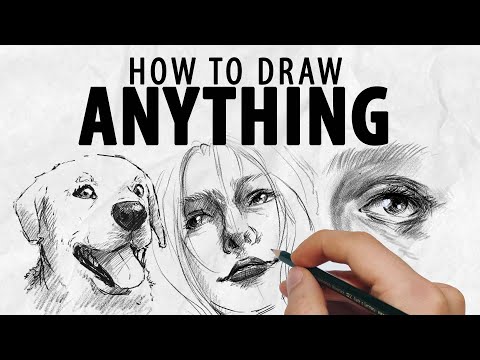
Source: Draw like a Sir
Did you find this post useful or inspiring? Save THIS PIN to your Art Board on Pinterest! 😊

Discover More Artistic Inspiration