
7 Watercolor Art Ideas For Beginners

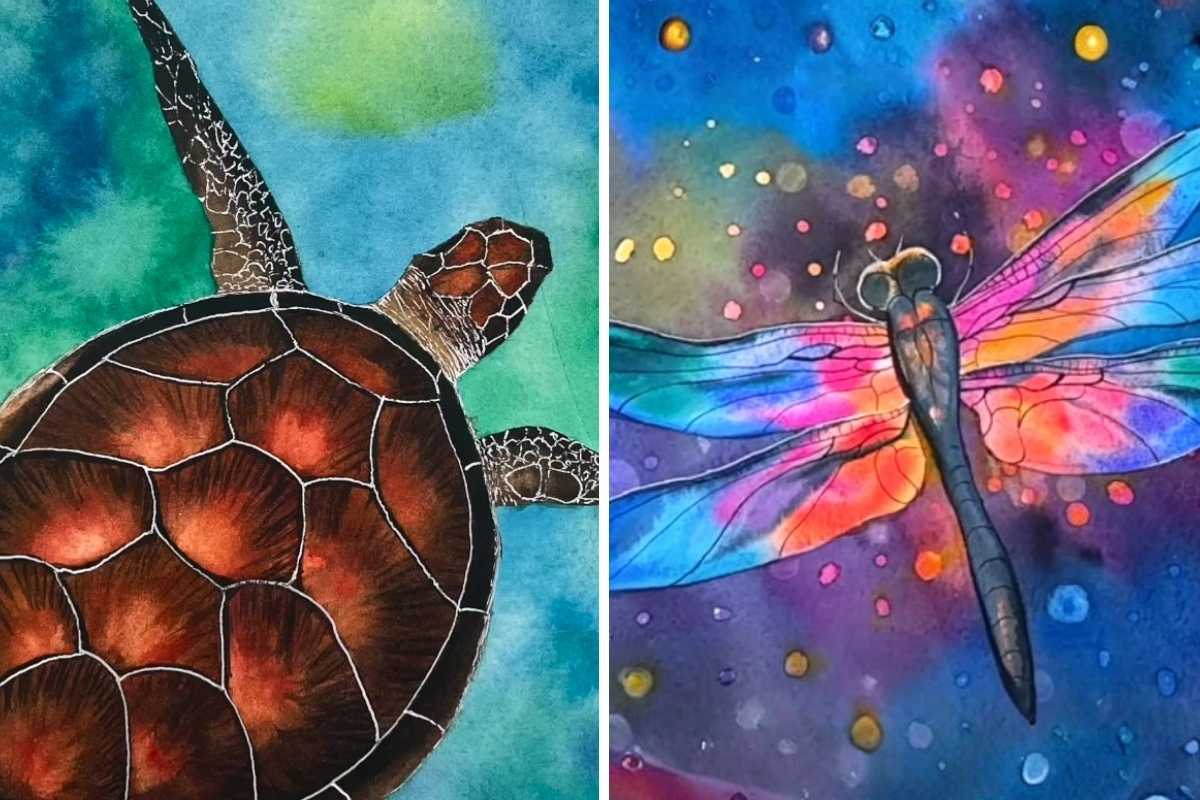
Watercolor art ideas for beginners should be simple, satisfying, and pretty enough to share.
This roundup curates seven approachable subjects—florals, bookmarks, butterflies, sea life, human figures, insects, and architecture—so you can practice essentials while making display-worthy watercolor art paintings.
If you’ve been searching for an easy watercolor art tutorial, start here and build confidence brush by brush.
How To Use This Beginner-Friendly Roadmap
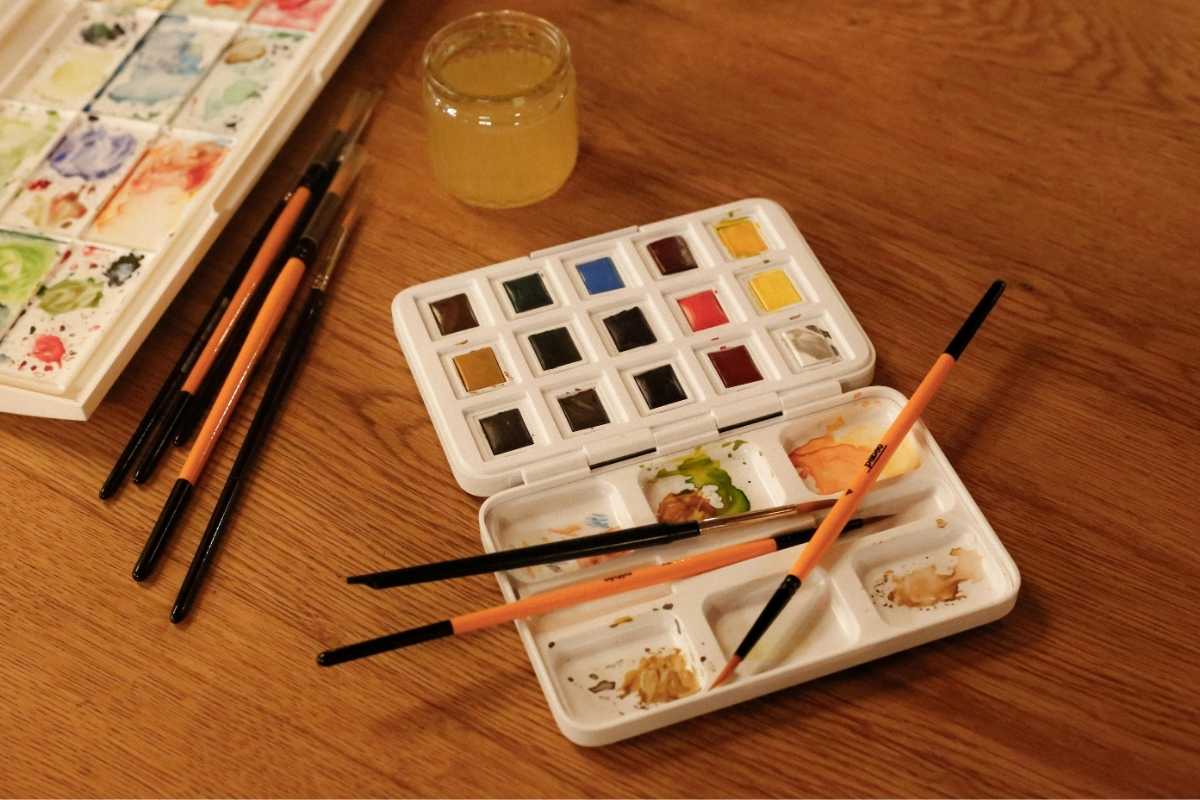
Work through the projects in any order. Each one focuses on a core skill: wet-on-wet blooms, controlled edges, glazing, or line-and-wash.
You’ll find watercolor art for beginners step by step tips inside every mini section plus a jump link to the full source. Keep your palette tight and your water clean for crisp results.
As you paint, pin a few pieces to your wall. Seeing progress boosts momentum and sparks fresh watercolor art ideas. Favor light pencil guides you can erase after drying, and test swatches to predict how pigments granulate or lift.
1) Tropical Flowers: Color Mixing & Soft Edges
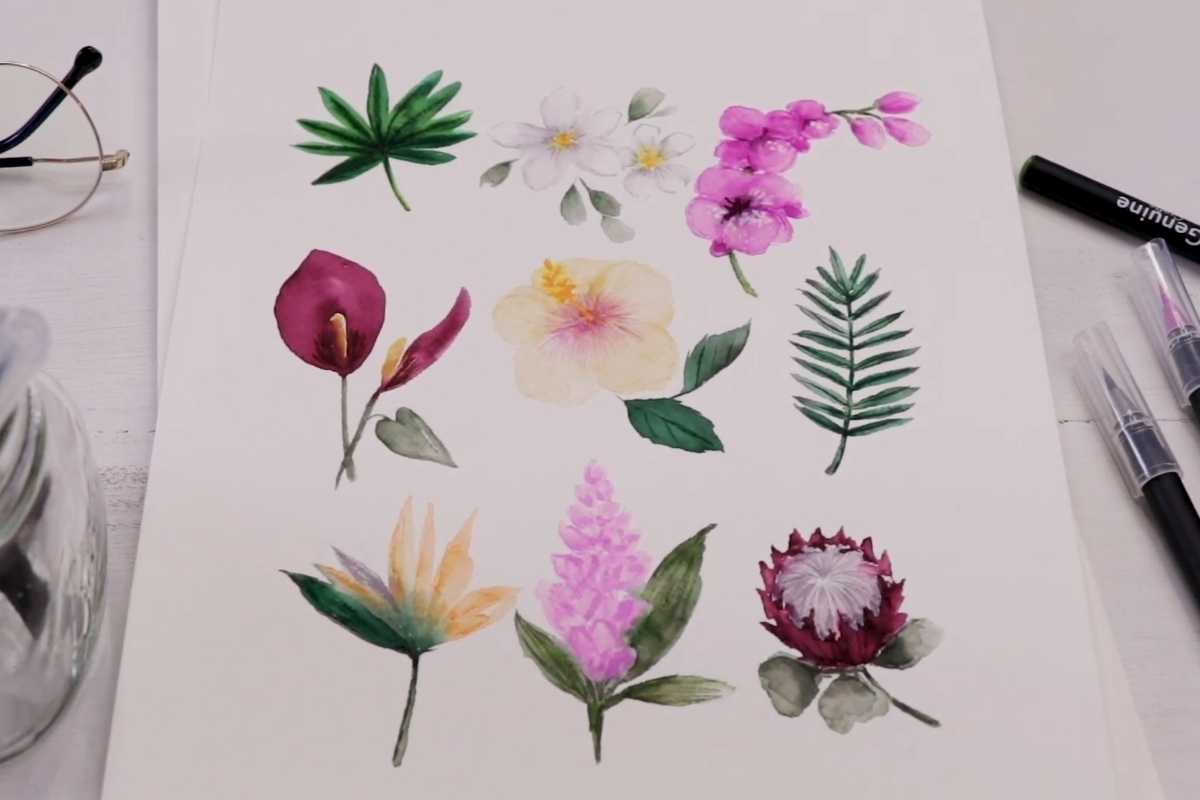
Florals are classic art ideas watercolor because petals embrace happy accidents.
Practice wet-on-wet for soft blends, then add sharper details once the first layer dries. Aim for lost-and-found edges to keep the blooms airy and alive—perfect for aesthetic watercolor art prints.
Try warm-and-cool pairs (e.g., a coral with a cooler pink) to avoid mud. Reserve highlights by painting around them or lifting with a thirsty brush.
Click here to see the tutorial
2) Easy Bookmarks: Mini Canvases, Big Payoff
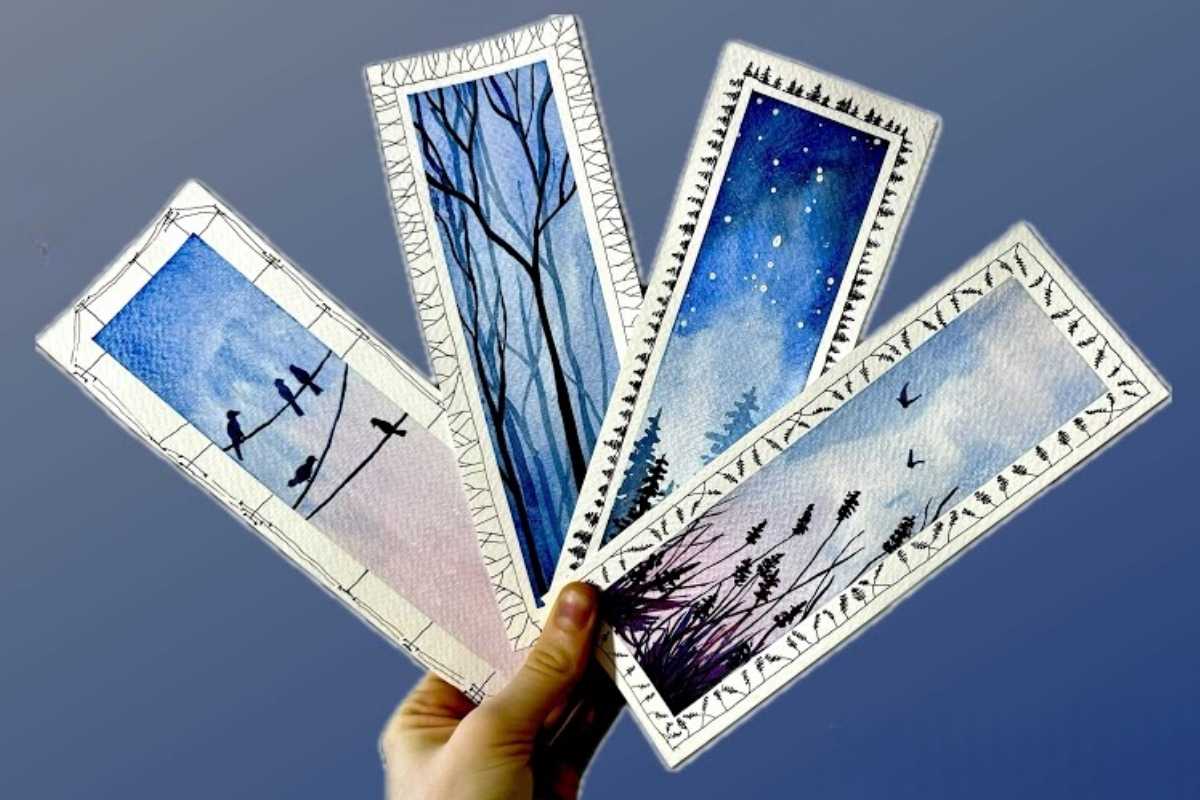
Bookmarks are fast studies that double as gifts. Explore gradients, tiny landscapes, or abstract textures—ideal aesthetic watercolor art ideas when you want quick wins.
Because the format is small, every brushstroke counts, sharpening your control and compositional instincts.
Seal with a light spray fixative and add tassels or washi tape for a boutique finish. Batch several while the paints are out.
Click here to see the tutorial
3) Butterflies: Symmetry, Pattern & Glazing
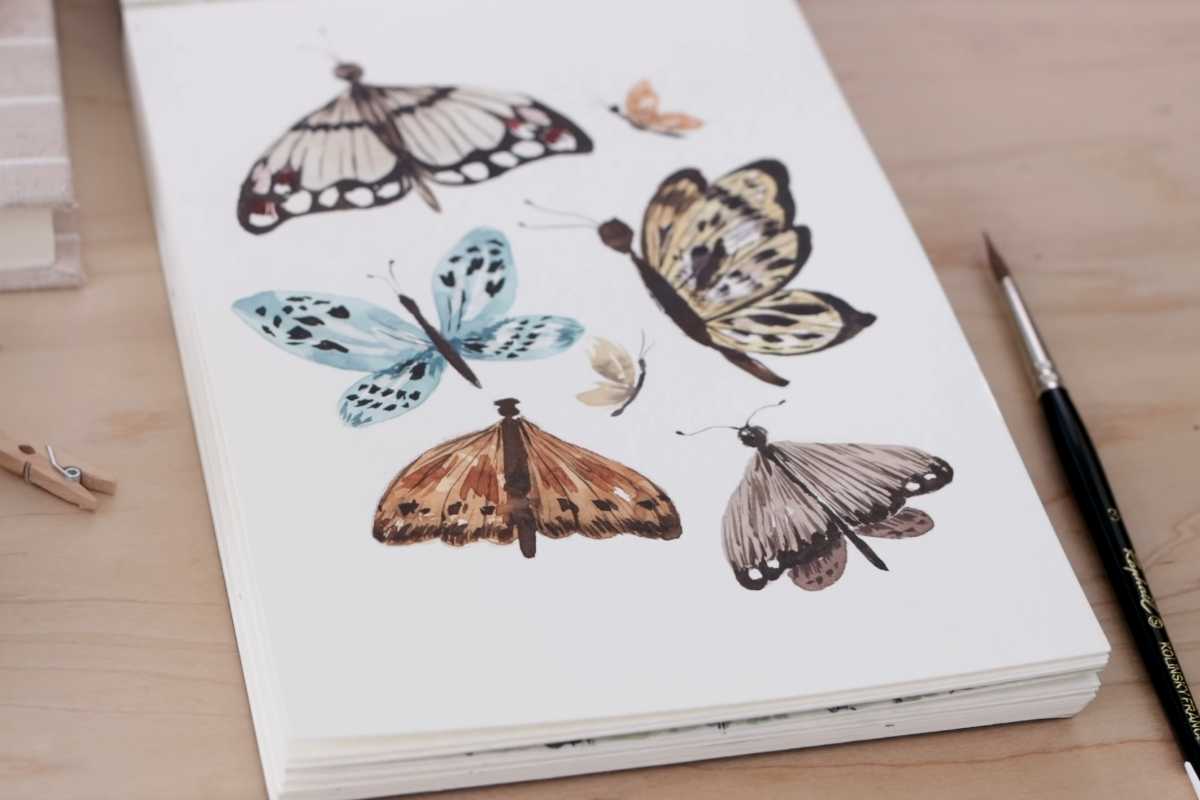
Butterflies teach measured symmetry and delicate patterning. Start with a light sketch, block in wing shapes, and glaze transparent layers for depth.
The subject’s natural mirror effect helps beginners spot proportional issues early—great practice for patient, controlled art watercolor.
Leave tiny paper whites along the wing veins for sparkle, then unify with a final shadow glaze beneath the body.
Click here to see the tutorial
4) Sea Turtle: Textures & Ocean Hues
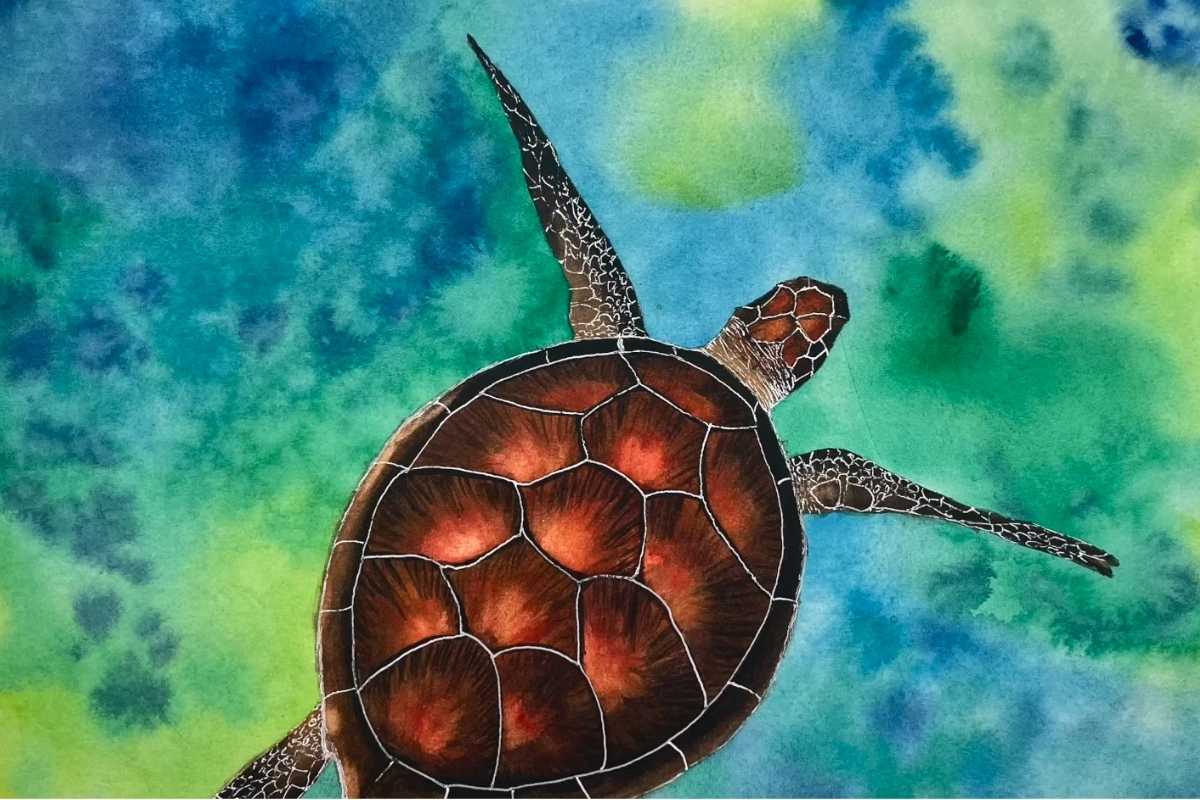
A sea turtle blends organic textures with tranquil blues and greens—gentle territory for new painters exploring watercolor art.
Use salt or plastic wrap on damp washes to suggest mottled shell patterns, then refine edges once dry. Soften the background so the turtle remains the star.
Limit your palette to three primaries and mix everything from them for harmony across the painting.
Click here to see the tutorial
5) Human Figures: Gesture Before Details
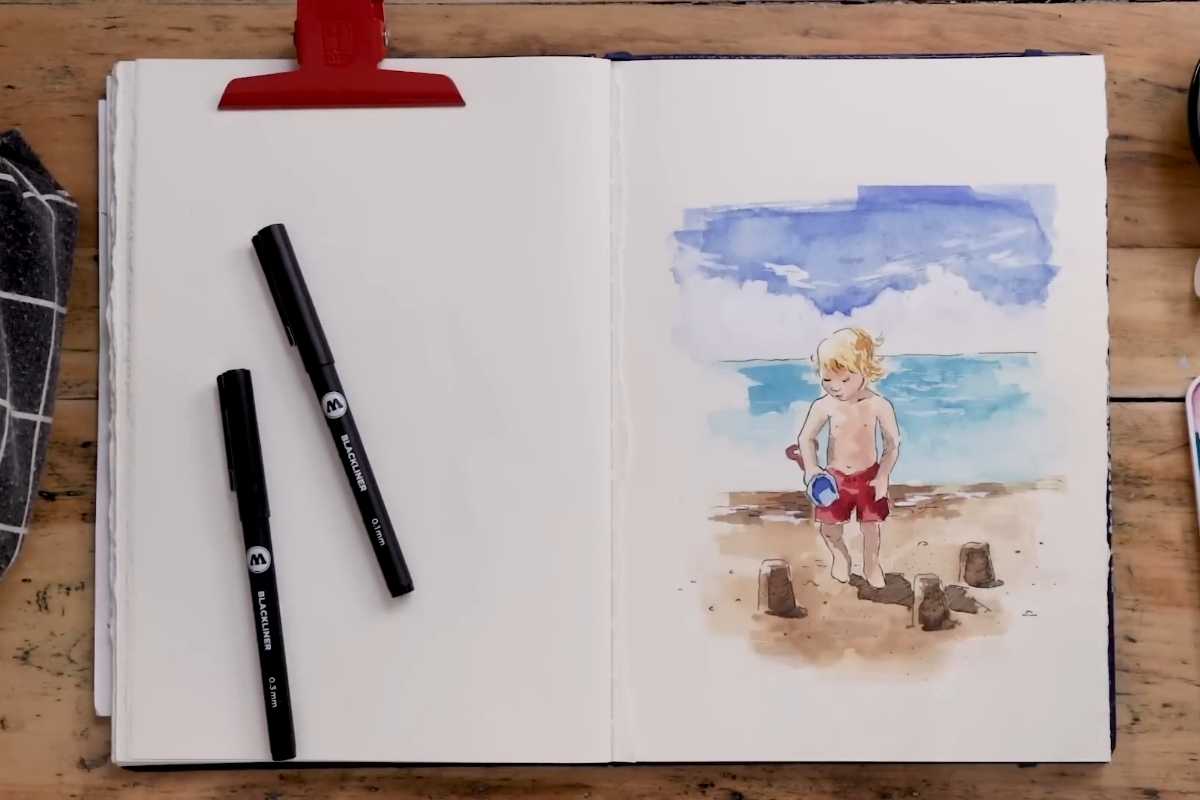
Figures look daunting, but keep them loose. Start with gesture—the tilt, the weight, the rhythm—then drop in shadow shapes.
Treat features as abstract light-and-dark puzzle pieces first. This approach yields expressive watercolor art paintings without overworking lines.
Use a limited, skin-friendly palette and consider a warm underwash. Add just a few crisp accents (eyes, hairline) to anchor realism.
Click here to see the tutorial
6) Glowing Dragonfly: Luminosity & Lifting
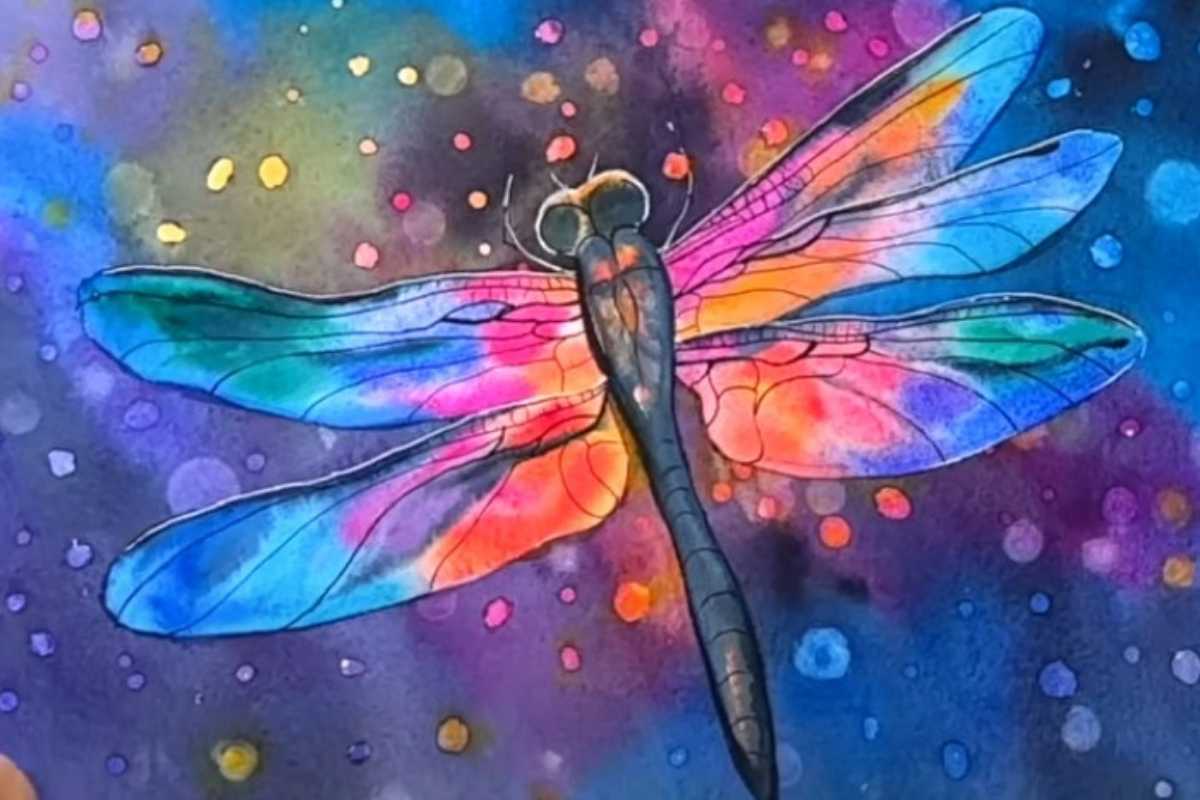
Dragonflies thrive on luminosity. Lay a pale base, glaze transparent colors, then lift selectively to reclaim highlights—core moves in any watercolor art tutorial.
A speckled background (splatter with a tap of the brush) suggests bokeh and motion without fussy detail.
Finish with a fine liner or a rigger brush to define the wings’ structure while keeping the body soft and iridescent.
Click here to see the tutorial
7) Paris Architecture: Line & Wash Confidence
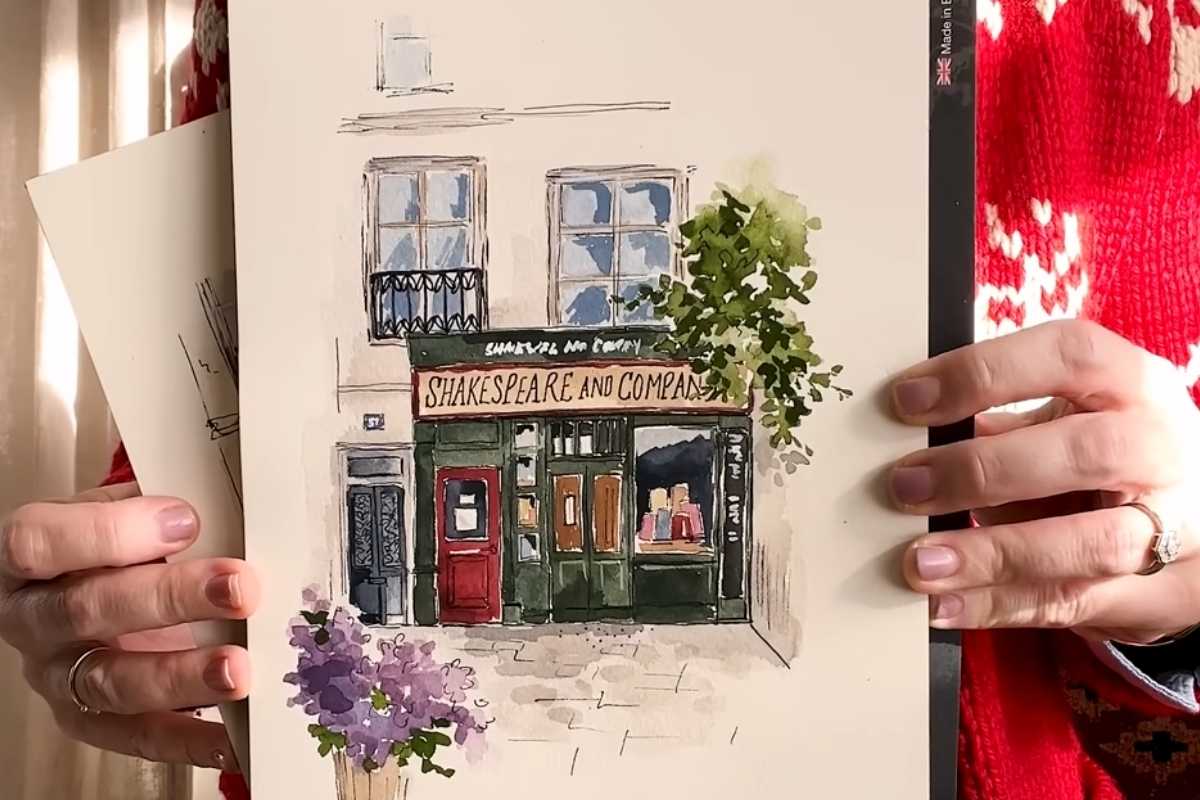
Urban facades are perfect watercolor art ideas for beginners when combined with a pen sketch. Outline essential shapes in waterproof ink, then float color in loose washes.
Let rooftops and windows blur at the edges; the eye fills in missing information—an instant recipe for aesthetic watercolor art.
Keep shadows consistent in direction and temperature. A final sky wash unifies the scene and frames the skyline.
Click here to see the tutorial
Materials & Setup For Smooth Sessions
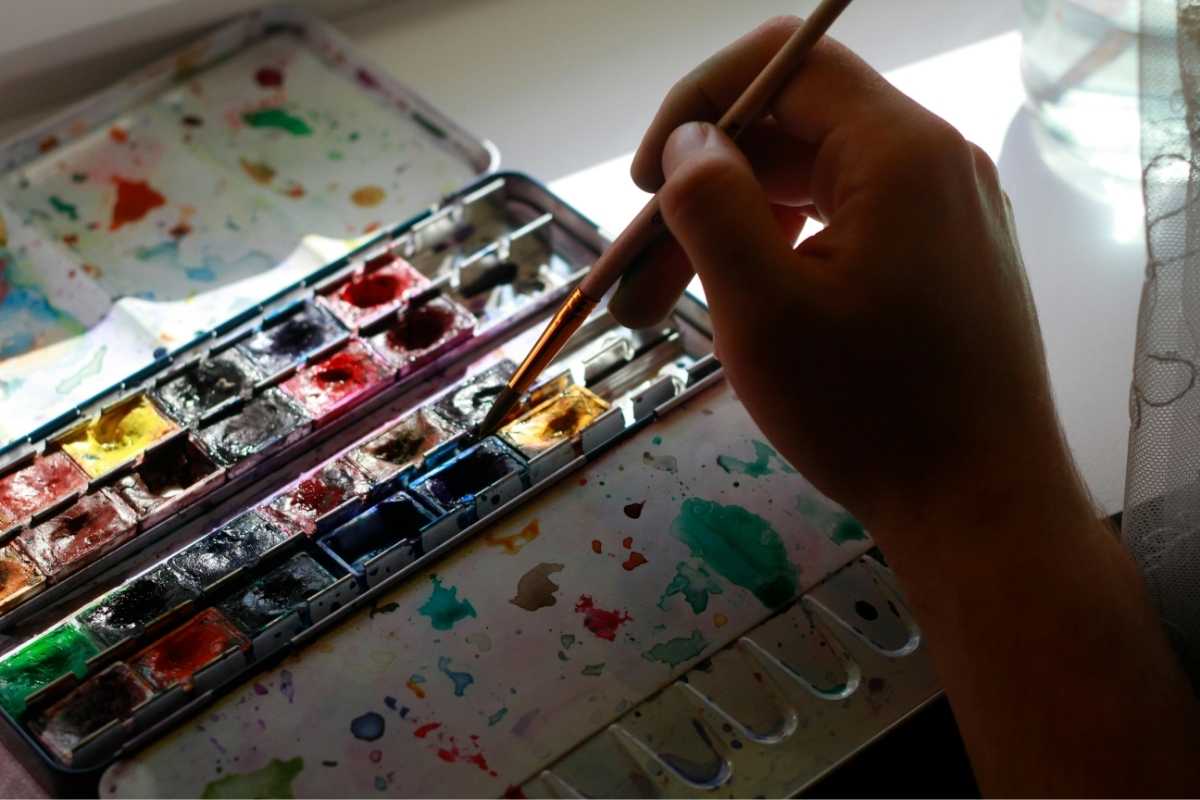
Use 100% cotton paper (140 lb/300 gsm) if possible; it forgives reworking and supports vibrant glazing.
A round brush (sizes 6–10) plus a flat for washes will cover most needs. With these basics, you’ll unlock countless watercolor art for beginners ideas and iterate quickly.
Keep your workflow simple: two jars of water, a paper towel for lifting, and scrap paper for testing values. Small habits compound into cleaner, more confident results.
Where To Go Next
Rotate subjects to stay fresh—florals one day, architecture the next. Revisit favorites and push contrasts for drama. As your skills grow, you’ll naturally invent new watercolor art ideas and build a personal style rooted in these fundamentals.
Ready to dive deeper? Explore each full guide below for precise steps, reference sketches, and extra variations tailored to watercolor art for beginners step by step learning.
Discover More Artistic Inspiration