
Beginner’s Guide to Easy Flower Watercolor Painting


Watercolor painting is an enjoyable and therapeutic way to express your creativity. If you’re new to painting or looking to improve your skills, flower painting is a beautiful and relatively simple subject to start with.
In this tutorial, you will learn how to create vibrant and realistic flowers using watercolor paints, even if you’re a beginner.
Whether you’re painting for fun or to enhance your art portfolio, this technique will guide you through the essential steps to capture the delicate beauty of flowers.
The soft hues of watercolor combined with the freedom of floral shapes offer a perfect canvas for relaxing and intuitive painting.
The Beauty of Watercolor Flowers
Watercolors are often favored for painting flowers due to their ability to capture lightness, transparency, and softness in a way that no other medium can.
Flowers, with their delicate petals and natural flow, are ideal for showcasing the flowing qualities of watercolor. The paint can bleed and merge effortlessly, mimicking the gentle transitions seen in nature.
Painting flowers can be an incredibly satisfying process because each flower offers unique shapes, textures, and colors. With just a few basic techniques, you’ll be able to create beautiful floral designs that feel fresh and natural.
Why Flower Painting is Great for Beginners
Flower painting is not only about capturing the aesthetic beauty of nature, but also about learning valuable painting techniques. As a beginner, you’ll gain practice in controlling the flow of water and color, as well as refining your brushwork.
Flowers are also an excellent subject because they don’t require perfect precision. This allows you to practice and experiment while still creating something beautiful.
Blending, layering, and shading are crucial skills for all painters, and they come in handy when painting flowers with watercolor.
Learning to control how much water you add to the paint, as well as working with wet-on-wet and wet-on-dry techniques, will help you bring your flowers to life.
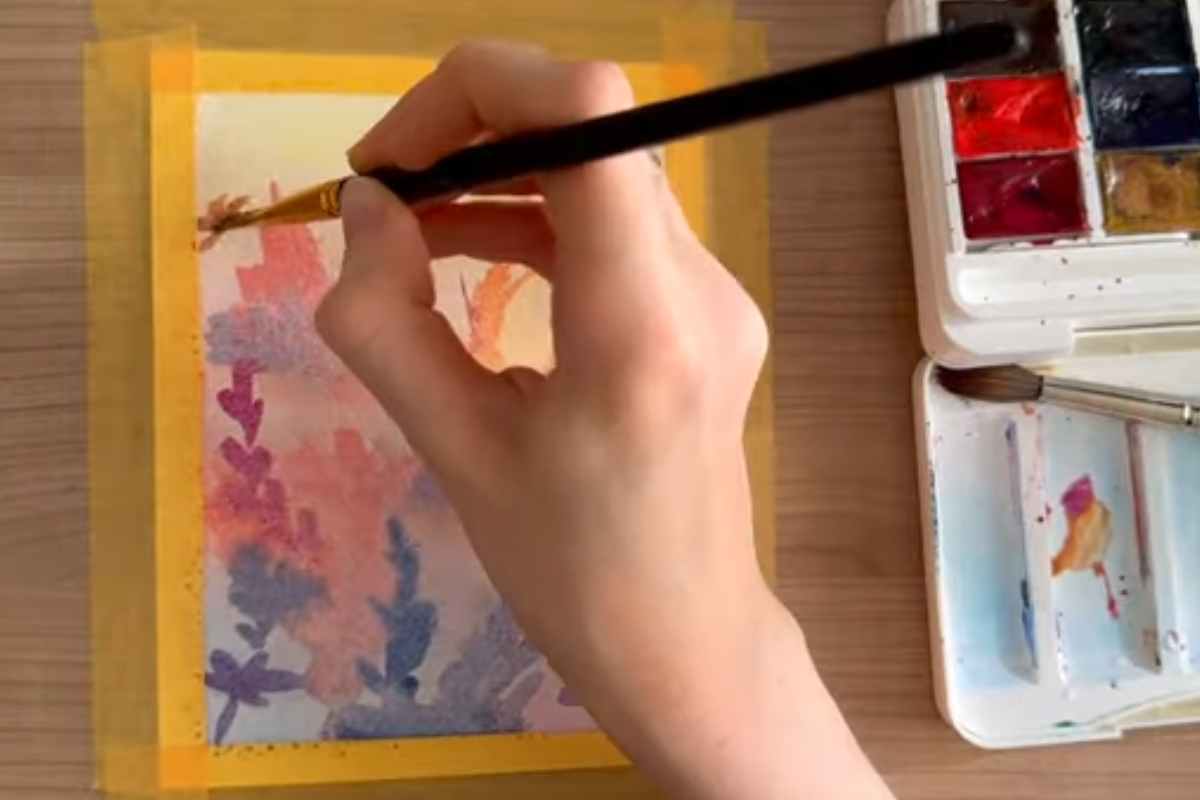
Choosing Your Tools and Colors
To get started with your flower watercolor painting, you’ll need a few essential tools and a basic understanding of color choices. The right brushes, paints, and paper will make all the difference in creating beautiful floral art.
1. Brushes for Fine Detail and Fluidity
Choosing the right brushes is important for flower painting. A round brush is ideal for making both fine lines and broader strokes.
You can also use a flat brush for larger areas, such as the background or foliage. For delicate petals and detailed work, a small pointed brush will help create the soft outlines and fine details typical of flowers.
2. Colors that Bring Flowers to Life
When it comes to watercolor, choosing the right colors is essential for achieving a natural look. Floral colors typically include a wide range of soft pinks, purples, yellows, reds, and greens.
When painting flowers, it’s important to keep your color palette cohesive yet vibrant, as the aim is to make the flowers appear fresh and lively.
A great way to create depth is to experiment with gradients and use layering techniques, building up colors gradually to create a more nuanced effect.
3. Paper: The Foundation for Watercolor
Using the right type of paper is essential when working with watercolors. Watercolor paper is designed to handle water absorption, preventing the paper from warping. Opt for a cold-press or hot-press paper, depending on your preference for texture.
Cold-press paper has a textured surface that helps with blending, while hot-press paper has a smooth texture that is better for fine detail work.
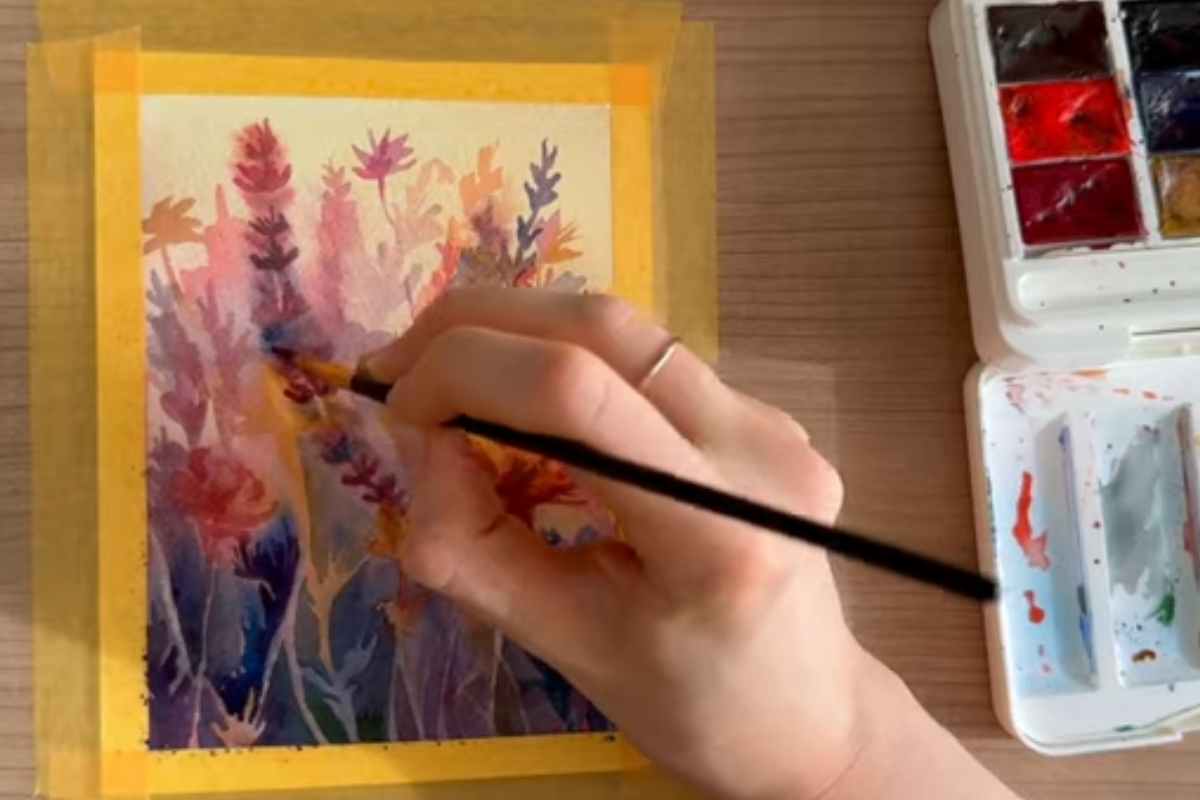
Techniques for Painting Flowers in Watercolor
Now that you’ve gathered your materials, it’s time to explore some basic techniques to help you achieve beautiful flowers in your painting. The key to successful flower painting is experimenting with color, texture, and brushstrokes.
1. Wet-on-Wet Technique: Creating Soft Petals
One of the most popular techniques for painting flowers is wet-on-wet. This involves wetting the paper with clean water before applying your colors.
The water allows the paint to flow freely, creating soft, fluid transitions that are ideal for depicting the gentle curves and blending of flower petals. The beauty of wet-on-wet painting is its spontaneity, making it perfect for capturing the delicate nature of flowers.
2. Wet-on-Dry: Adding Detail to Petals
Once the first layer has dried, you can use wet-on-dry techniques to add more details to the flowers. With this technique, you paint directly onto dry paper.
This method allows you to achieve crisp edges and fine details, such as the veins in the petals or the subtle gradients of color found in the flowers.
3. Layering: Building Depth and Dimension
Layering is a fundamental technique in watercolor painting. By allowing each layer to dry before adding more paint, you create depth and dimension.
For flowers, you can start with a light base layer and gradually add more color to define the shapes of the petals, leaves, and stems. This technique allows you to develop richness and complexity in your floral composition.
4. Texturing and Shading: Bringing Flowers to Life
Adding shading and texture to your flowers gives them volume and realism. You can achieve this by adding darker tones around the edges or in the center of the petals.
Use a dry brush technique or gentle stippling to create texture on the flower centers or foliage. Contrast is important to make your flowers pop against the background.
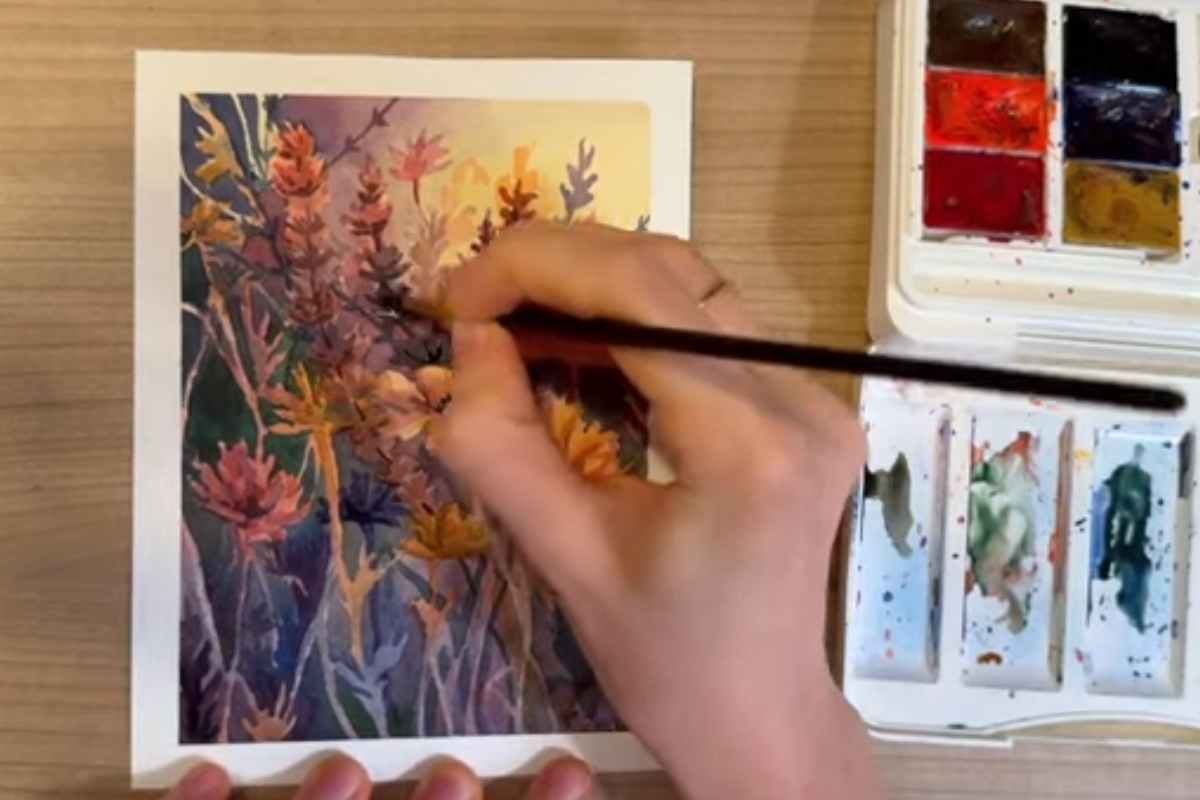
Final Thoughts: Creating Beautiful Floral Art
Painting flowers in watercolor is an incredibly satisfying and accessible way to express creativity. The combination of fluidity, texture, and vibrancy offers endless opportunities for exploration.
Whether you're a beginner or an experienced artist, this process can be a relaxing and rewarding experience.
With just a few basic techniques, you can create stunning flower paintings that showcase your own unique style. So grab your paints, brushes, and watercolor paper, and start painting your way to a beautiful floral masterpiece!
We thank Art In Motion for the images.
Enjoy The Video Tutorial

Source: Art In Motion
Did you find this post useful or inspiring? Save THIS PIN to your Art Board on Pinterest! 😊
Discover More Artistic Inspiration