
Easy Face Painting Flowers: Double and Triple Dip Brush Techniques

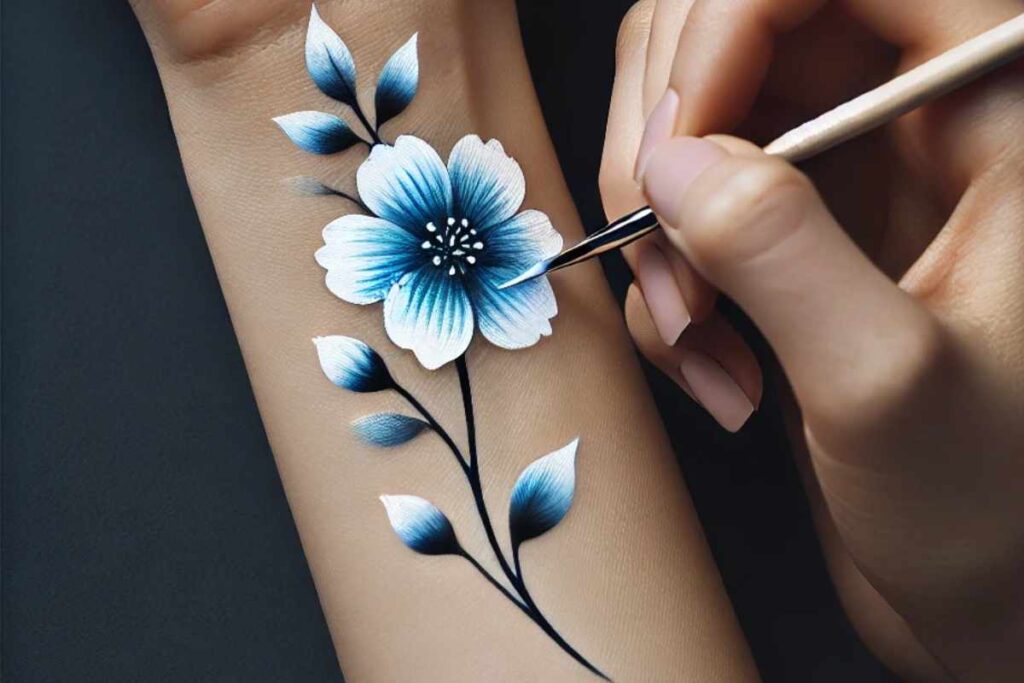
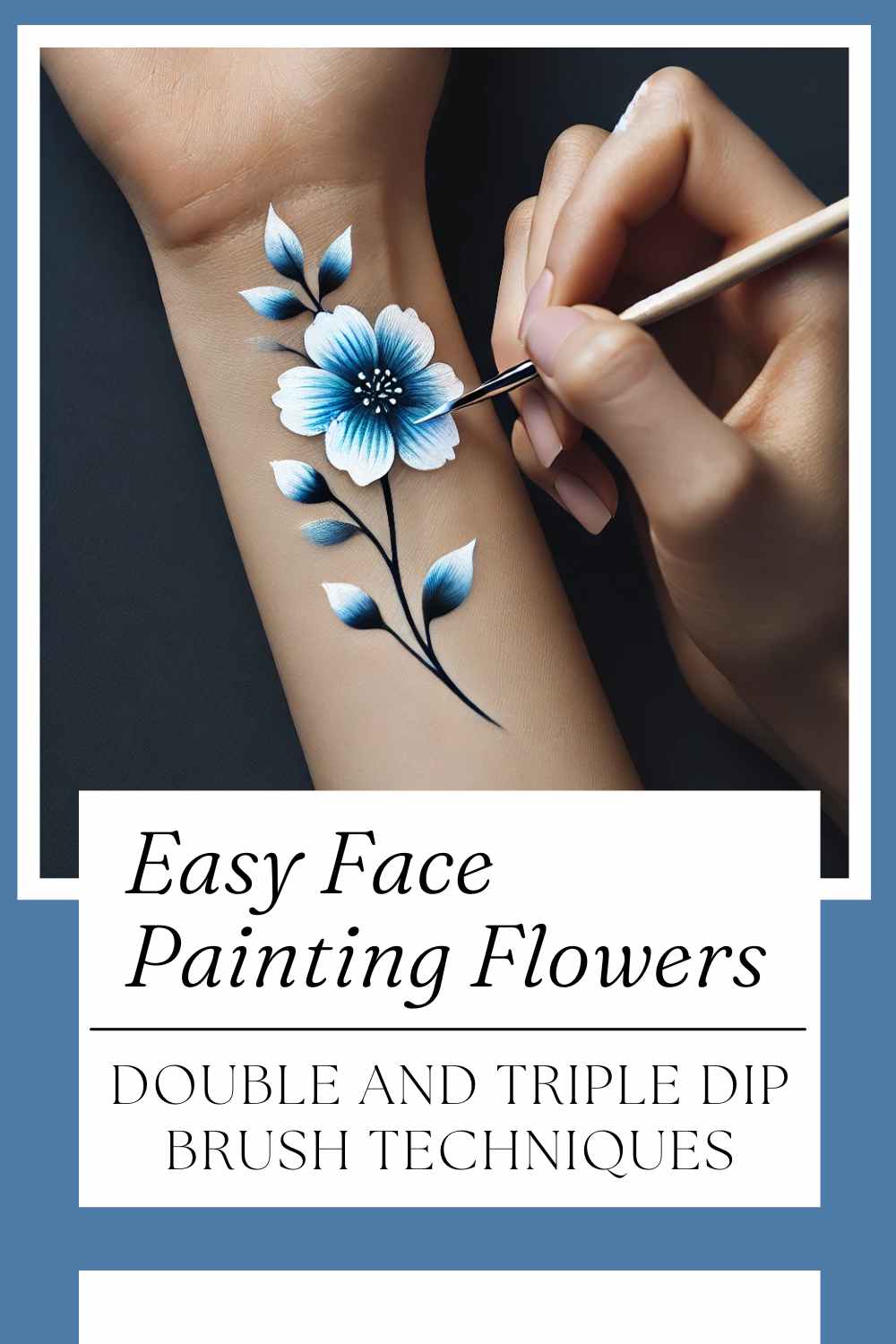
Face painting is a fun and creative way to add a touch of beauty to any event. One of the most stunning techniques is the double and triple dipped flower, a method that allows artists to create detailed, vibrant floral designs with ease.
This technique not only enhances face painting but also speeds up the process, making it ideal for beginners and professionals alike.
What Is the Double and Triple Dipped Flower Technique?
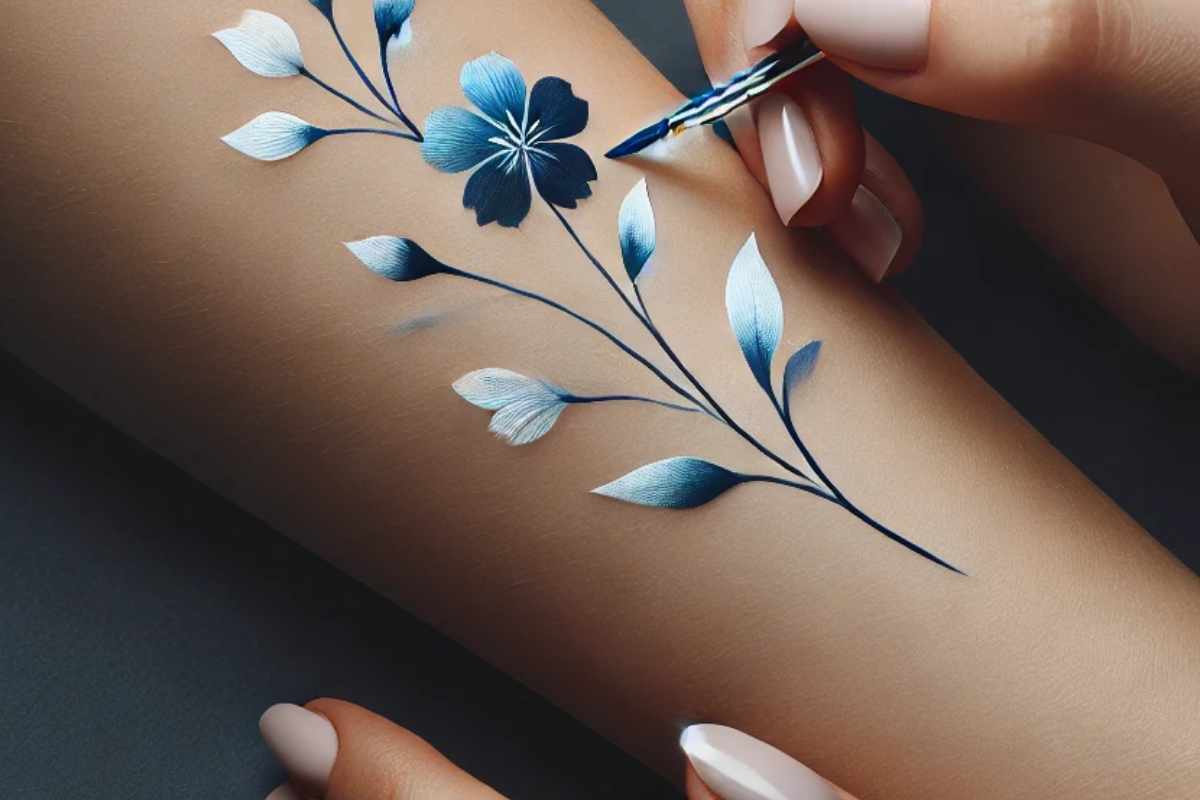
The double dipped flower technique involves loading a brush with two colors at the same time, creating a blended, multi-toned petal in a single stroke.
The triple dipped flower takes it a step further by incorporating a third color, adding even more depth and contrast. This technique is widely used in face painting because it allows for quick, stunning results with minimal effort.
Why Use This Technique for Face Painting?
- Fast and efficient – Paint multiple petals with one brush stroke.
- Vibrant color blending – The mix of colors creates depth and dimension.
- Perfect for beginners – Once the technique is mastered, flowers become effortless.
- Versatile for any design – Great for princess crowns, fairy designs, and floral accents.
Choosing the Right Brushes
While many brands offer specialized petal brushes, not all of them are available everywhere. Fortunately, a regular round brush can also be used effectively. Here’s what to look for:
1. Petal Brushes
These brushes are designed specifically for painting petals, making the process easier. If available, opt for angled or filbert brushes, as they provide smooth strokes and natural blending.
2. Round Brushes
If a petal brush isn’t accessible, a round brush with a fine tip can work just as well. When properly loaded with paint, a round brush can mimic the effect of a petal brush, creating soft and blended petals.
How to Load the Brush for Double and Triple Dipped Flowers
The key to achieving this technique is in the paint-loading process:
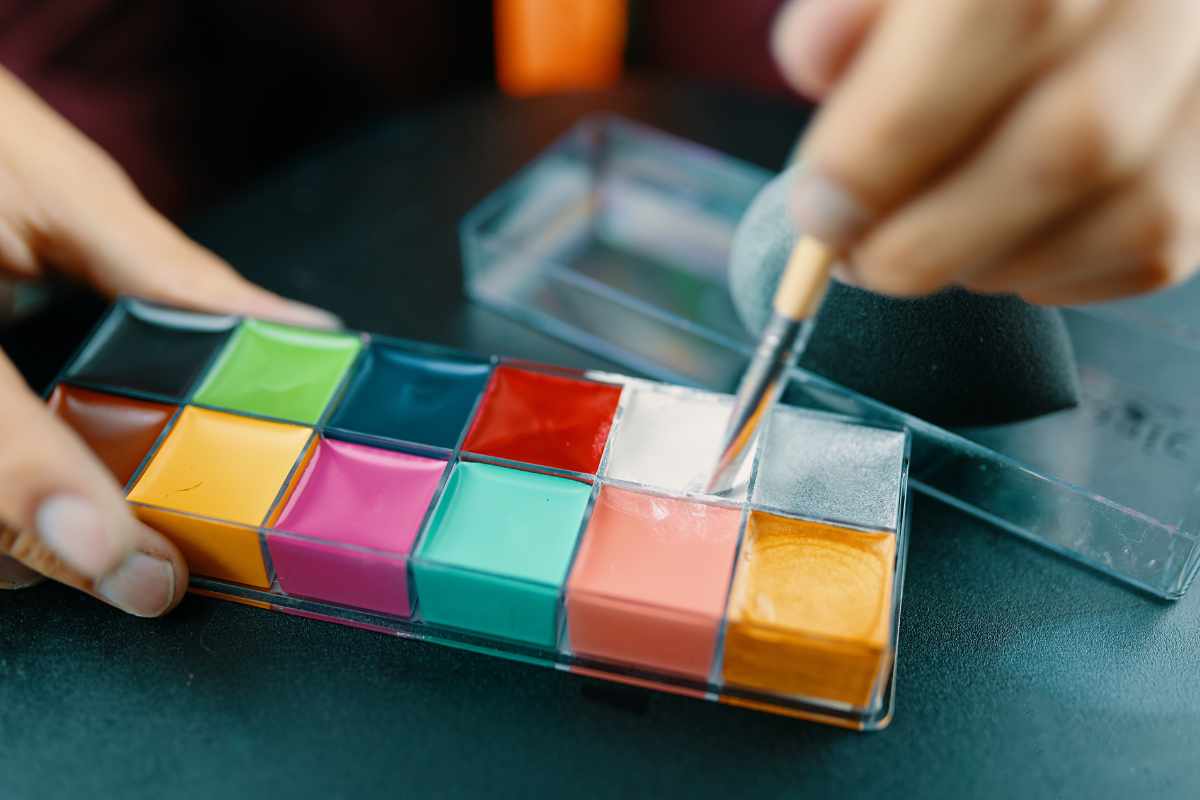
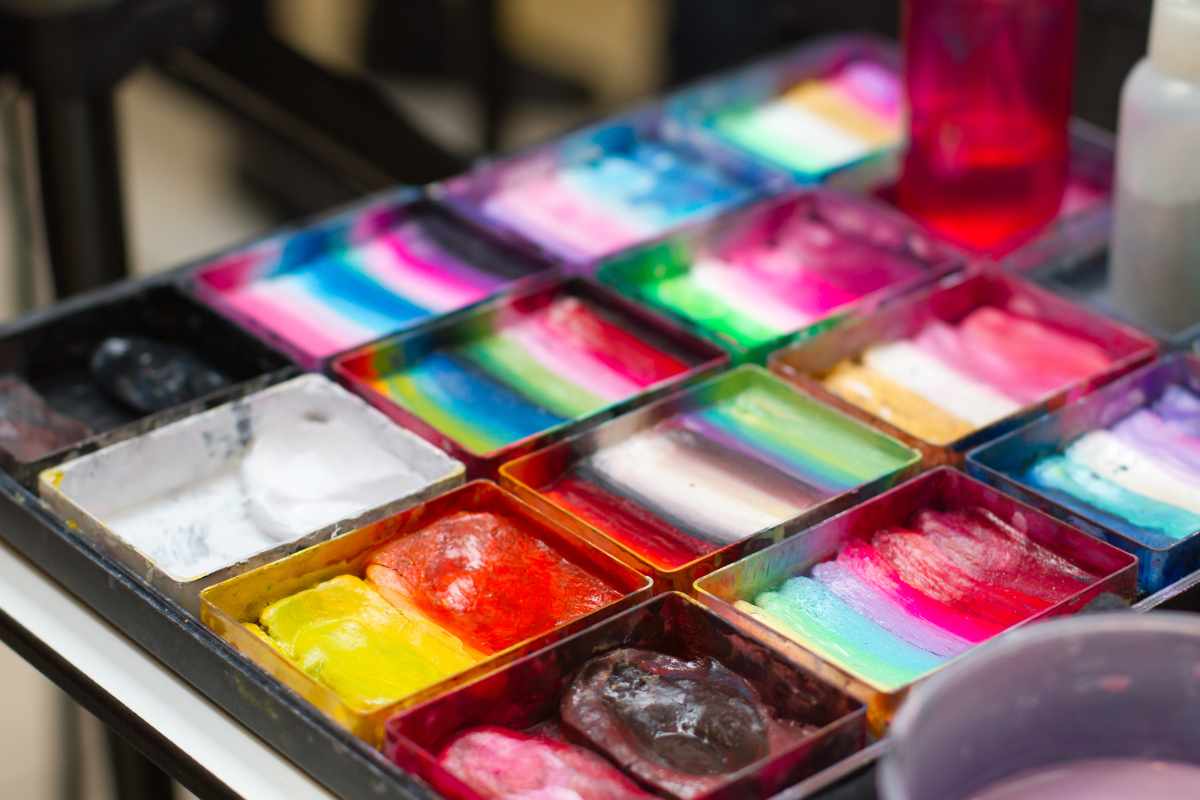
- For double dipped flowers, dip one side of the brush into a darker or more saturated color and the other side into a lighter shade.
- For triple dipped flowers, use a third color for extra dimension, applying it to the very tip of the brush.
- Blend slightly on the palette to soften the transition between colors before painting directly on the skin.
Common Mistakes and How to Fix Them
Even with the right tools, some challenges may arise. Here are some common mistakes and ways to correct them:
1. Petals Look Too Flat
- Issue: The colors aren’t blending properly.
- Solution: Reload the brush with fresh paint and practice light strokes to allow natural blending.
2. Flowers Look Uneven
- Issue: Uneven pressure or inconsistent brush loading.
- Solution: Keep a steady hand and practice applying even pressure for each petal.
3. Colors Are Too Faint
- Issue: The paint is too watery or lacks enough pigment.
- Solution: Use high-quality face paint and ensure the brush isn’t overloaded with water.
Final Touches to Make Flowers Stand Out
Once the petals are painted, small finishing details can make a huge difference. Add white dots or swirls for a magical touch.
Placing a few glitter accents in the center of the flowers will make them sparkle, giving them an extra professional finish.
Conclusion
Mastering the double and triple dipped flower technique makes a huge difference in face painting. With just a few strokes, you can create beautiful, multi-toned flowers that enhance any design.
Whether using a specialized petal brush or a simple round brush, the key is in the paint application and steady hand movements. With practice, these flowers become easy and effortless, making face painting even more enjoyable!
We thank Doodles Face and Body Art for the images.
Enjoy The Video Tutorial

Source: Doodles Face and Body Art
Did you find this post useful or inspiring? Save THIS PIN to your Art Board on Pinterest! 😊
Discover More Artistic Inspiration