
How to Paint a Realistic Green Apple in Acrylics: Step-by-Step Guide

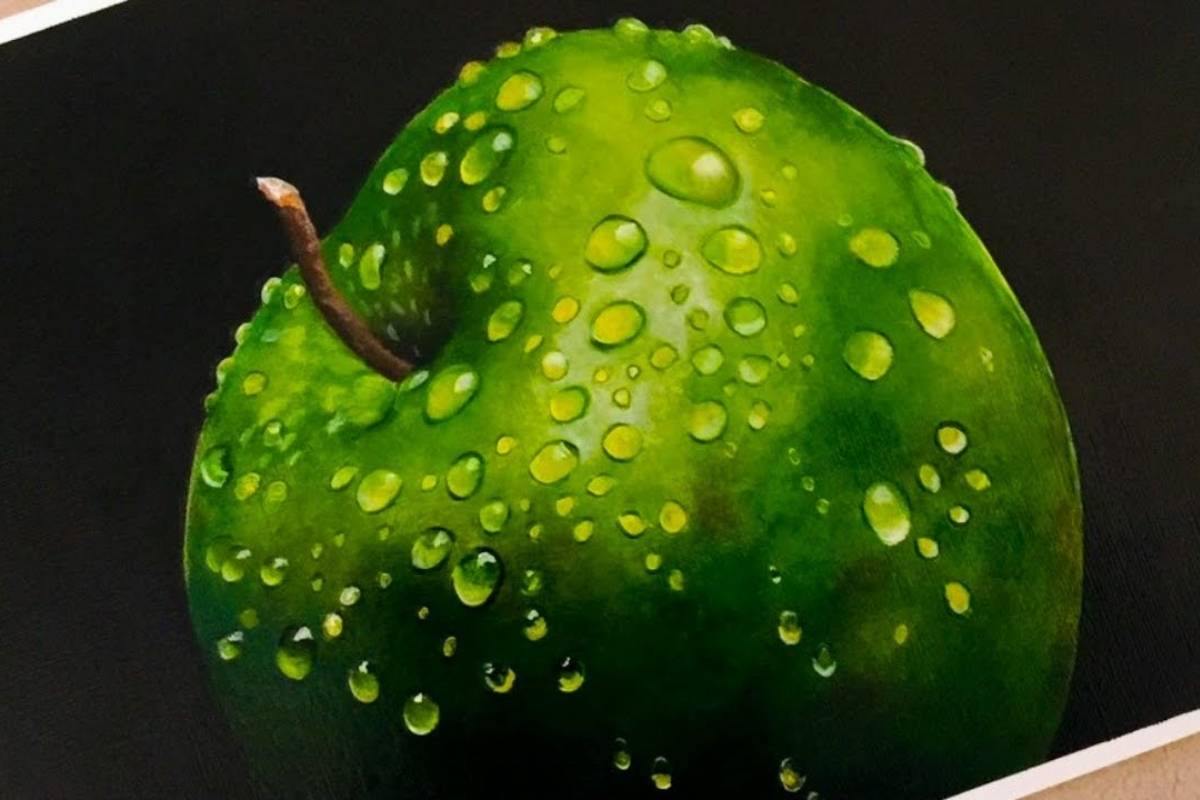
If you’ve been wanting to improve your acrylic painting skills with a simple still life, a green apple is a perfect place to start. It’s a familiar shape, but it teaches you so much about light, shadow, and color transitions.
In this tutorial, you’ll follow along with a green apple acrylic painting that’s beginner-friendly yet super satisfying at any skill level.
How to Paint a Green Apple in Acrylics (Realistic Shading + Highlights)
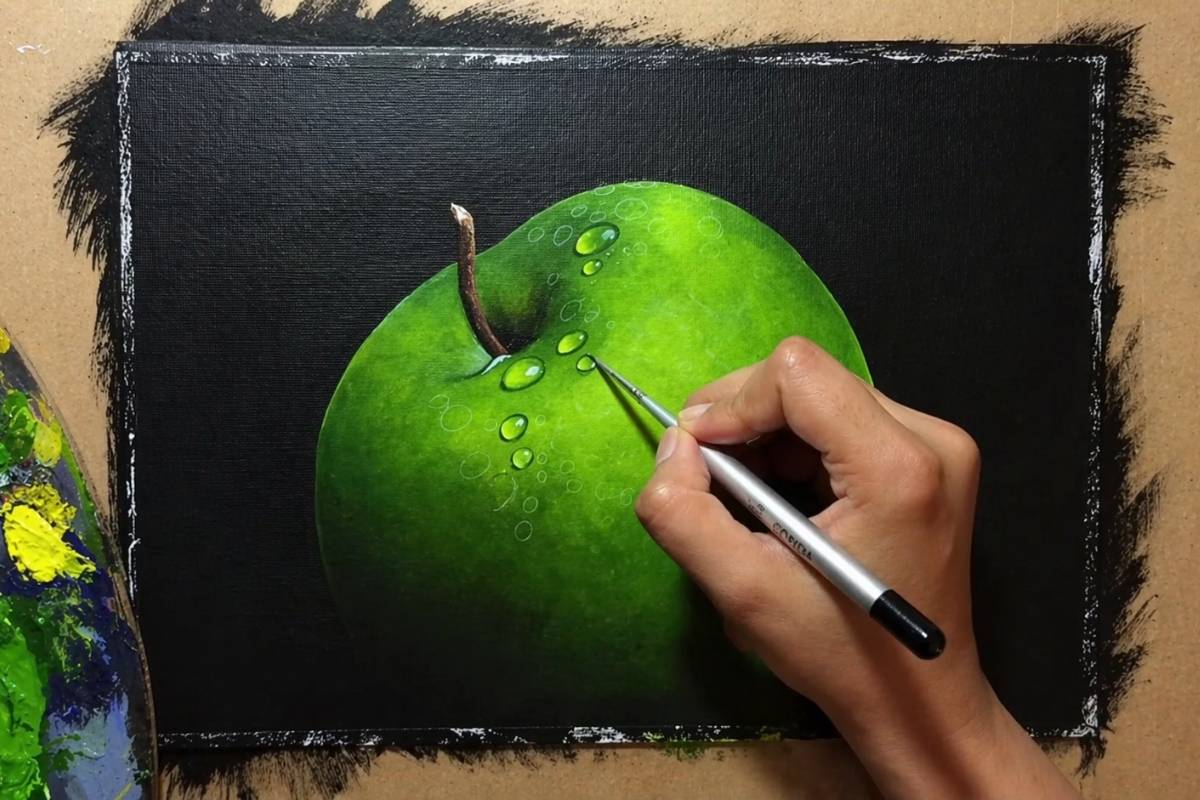
A realistic apple isn’t about drawing every tiny detail—it’s about getting the values right (light vs. dark) and placing highlights where the light hits. In the video, you’ll see how subtle shifts in green tones can make the apple look round and glossy instead of flat.
Pay attention to the areas where the apple curves away from the light. That’s where soft shading creates depth. Then, once your mid-tones are in place, adding a clean highlight (and a gentle transition around it) brings the “fresh apple” look to life.
Still life paintings like this are also great practice for brush control. You’ll work on smooth blending, edge control, and building color in layers—without needing a complicated subject.
We thank Canvas Whispererr for the images.
Green Apple Acrylic Painting Video Tutorial to Follow Along
Source: Canvas Whispererr
Simple Tips for Cleaner Blending in Acrylics
If your blending feels streaky or dries too fast, you’re not alone—acrylics can be tricky at first. A few things that often help (and won’t require special supplies):
- Use a light touch when blending edges (let layers build gradually).
- Keep your transitions soft by working from mid-tone to shadow, then refining.
- If highlights look harsh, soften the edge slightly so it reads as shiny—not chalky.
The video will show the pacing and the order of steps, which is often the missing piece when you’re learning how to paint fruit in acrylics.
Thanks for painting along! Save this tutorial so you can revisit it anytime you want a quick still life practice session—or try the same method with a red apple, pear, or peach next.
— Sarah
Discover More Artistic Inspiration