
Realistic Acrylic Painting: Sunlit Lemons Study

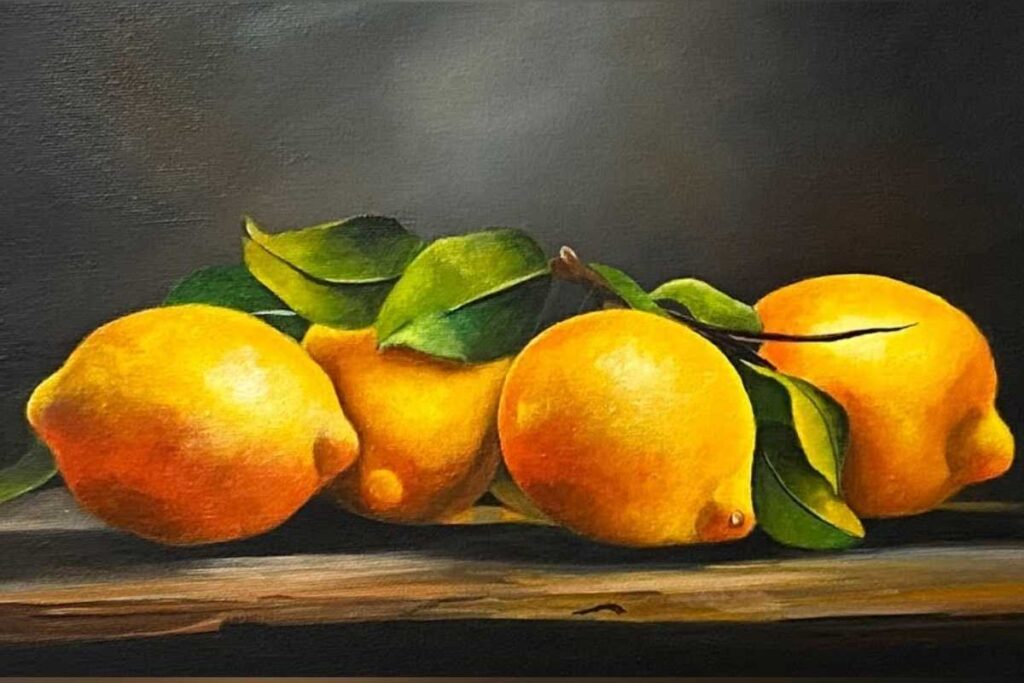
If you’ve ever finished an acrylic painting and thought, “Why does this look flat?”, you’re not alone. Realism isn’t about perfection—it’s about layering values, controlling edges, and placing highlights in the right spots.
In this tutorial, you’ll see a realistic acrylic painting approach that helps your work look more dimensional, clean, and lifelike, even if you’re still building confidence.
Realistic Acrylic Painting Techniques That Make a Huge Difference
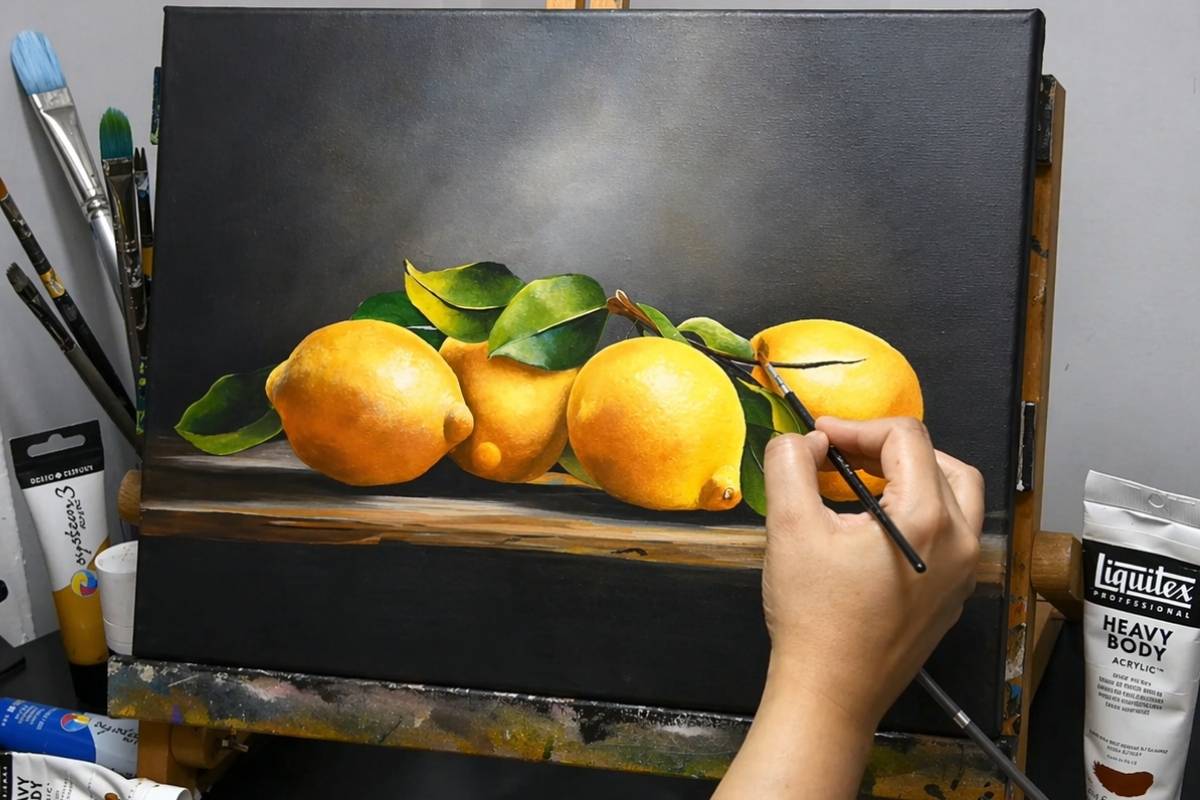
Most “realistic” results come from a few core skills you can practice on any subject. In the video, you’ll notice how realism builds step-by-step: starting with the bigger shapes, then refining the transitions, and finally adding details that make the piece feel believable.
One of the biggest upgrades is learning to separate light, mid-tone, and shadow clearly—then blending only where it makes sense. Realism often comes from controlled blending, not blending everything until it’s blurry. The same goes for edges: some should stay crisp, while others soften to create depth.
You’ll also see how small, intentional highlights can change everything. A well-placed highlight (with the right softness around it) can instantly make a surface look smooth, shiny, or textured—without overworking the paint.
We thank Canvas Whispererr for the images.
Realistic Acrylic Painting Video Tutorial to Follow Along

Source: Canvas Whispererr
Quick Realism Fixes If Your Painting Looks Flat
If you want a faster way to troubleshoot while you paint, these usually help:
- Increase contrast by pushing dark values a bit deeper (carefully, in layers).
- Keep one clear light direction so shadows and highlights feel consistent.
- Don’t over-blend—let some transitions stay firm so forms look defined.
Rewatching the video while you paint is especially helpful here, because timing (when to blend, when to layer, when to sharpen edges) matters a lot with acrylics.
Save this tutorial for your next practice session—realism is a skill you build, and the right process makes it way less frustrating.
— Sarah
Discover More Artistic Inspiration