
Step-by-Step Watercolor Tutorial: Painting a Beautiful Sea Turtle

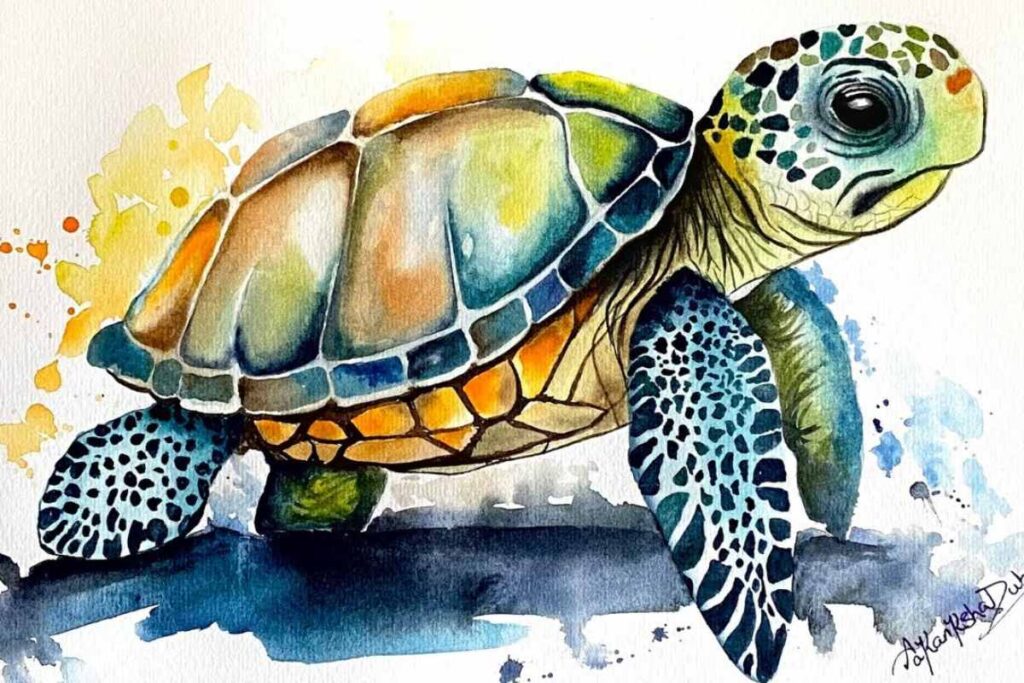
Watercolor sea turtles are one of those subjects that look impressive, but feel totally doable once you break them into simple shapes and soft color layers. If you’ve been wanting to paint more ocean-themed artwork (or just practice watercolor blending), this tutorial is a relaxing project to try.
In the video below, you’ll see a step-by-step watercolor sea turtle painting process that’s beginner-friendly but still satisfying for any skill level.
How to Get a Clean Watercolor Sea Turtle Look
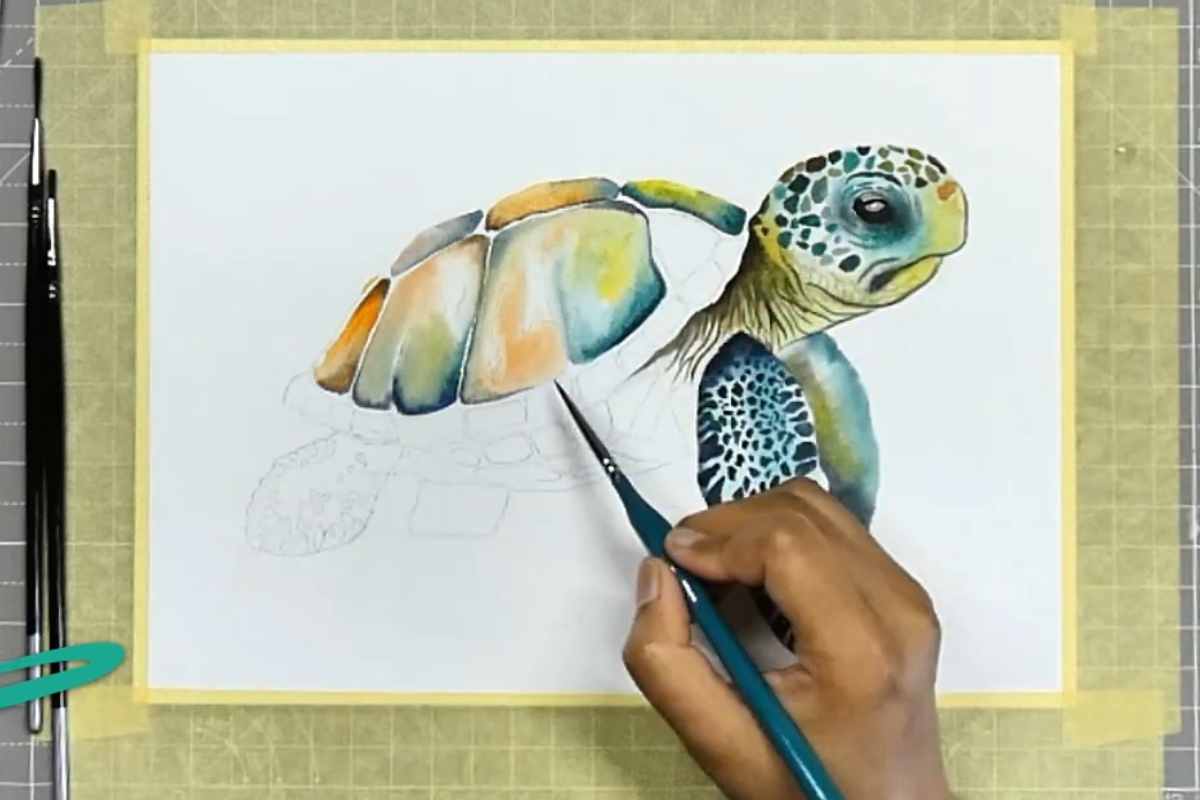
When painting a sea turtle in watercolor, the key is letting the medium do what it does best: soft transitions, layered color, and gentle texture. A few small choices can make your turtle look more dimensional without overworking the paper.
Try focusing on:
- Light washes first, then slowly building depth with additional layers.
- Keeping edges soft where you want a rounded, underwater feel.
- Adding darker values gradually so you don’t lose the natural watercolor glow.
If your colors start to look muddy, it usually helps to pause, let the paper dry fully, and then continue with the next layer (watercolor rewards patience!).
Watercolor Sea Turtle Painting Tutorial to Follow Along
This is the part where you can paint right along with the video and pause whenever you need. Watch for how the artist builds shape and contrast—especially in the shell pattern and shadows—so the turtle looks realistic while still keeping that classic watercolor softness.
We thank Canvas Whispererr for the images.
Enjoy The Video Tutorial

Source: Canvas Whispererr
Common Watercolor Mistakes When Painting Ocean Animals
If you’re new to watercolor animals (or you’ve tried and felt stuck), these quick fixes can help:
- Too much water: can cause blooms in areas you want clean detail—use less water as you move into darker layers.
- Over-blending: can flatten the shape—leave a few crisp accents for contrast.
- Rushing layers: painting on damp paper can be great, but only when it’s intentional—otherwise, let it dry before adding details.
Want to make this painting your own? You can always experiment with different ocean tones (more turquoise, more deep blue) once you’ve followed the main process.
Thanks for painting along—hope this inspires your next ocean watercolor piece!
— Sarah
Discover More Artistic Inspiration