
7 Watercolor Birds Tutorials (Easy Step-By-Step)


Want to paint watercolor birds without getting lost in the details? This curated guide lines up seven clear projects—parrot, cardinal, mixed songbirds, toucan, spring bird, robin, and a beginner sampler—so you can practice color, edges, and light in bite-size sessions.
Each watercolor birds tutorial highlights a specific skill and includes practical notes you can reuse across your own birds watercolor painting studies.
1) Parrot: Vivid Color & Background Flow
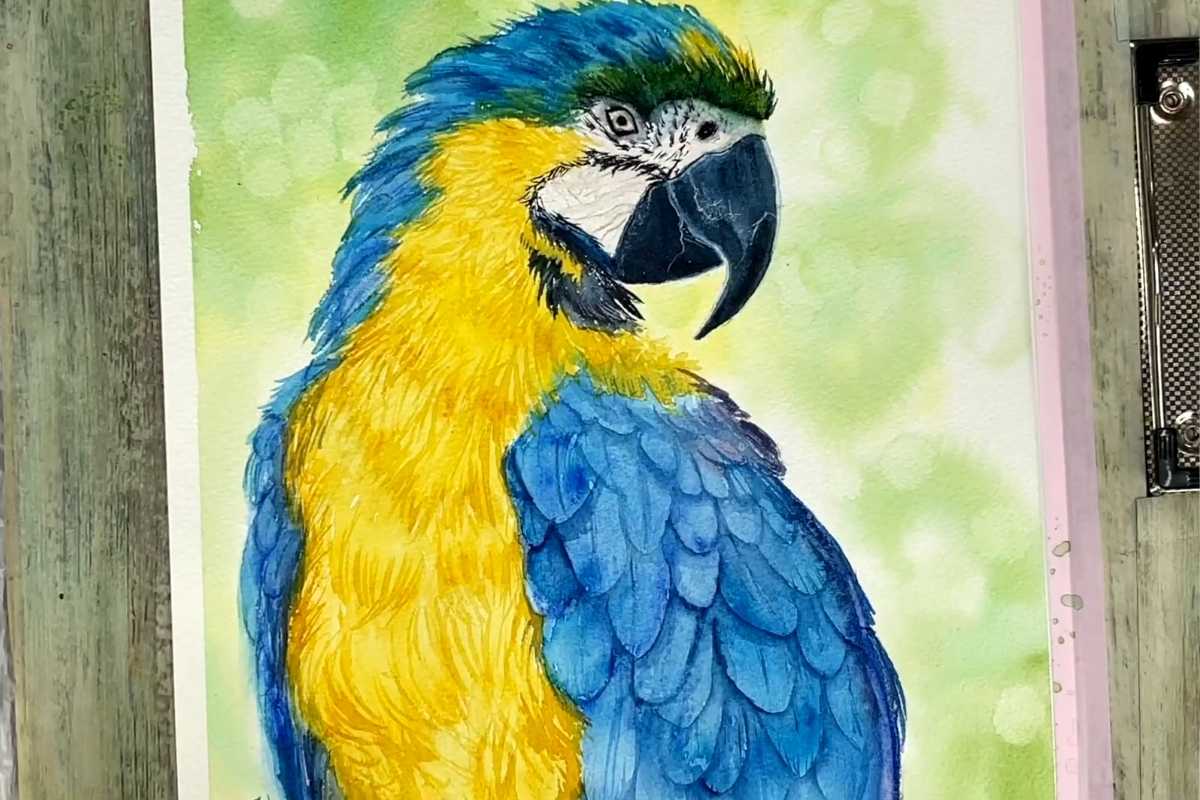
Parrots are perfect for saturated washes and crisp beak/eye details. You’ll explore wet-into-wet backgrounds that frame the subject and guide the viewer’s eye—an essential move in watercolor art birds.
Keep pigments fresh, soften only where feathers turn, and reserve paper white for specular sparkles.
Great warm-up for luminous birds watercolor gradients and confident edge control in your watercolor birds paintings.
Click here to view the tutorial
2) Cardinal: High Contrast & Simple Shapes
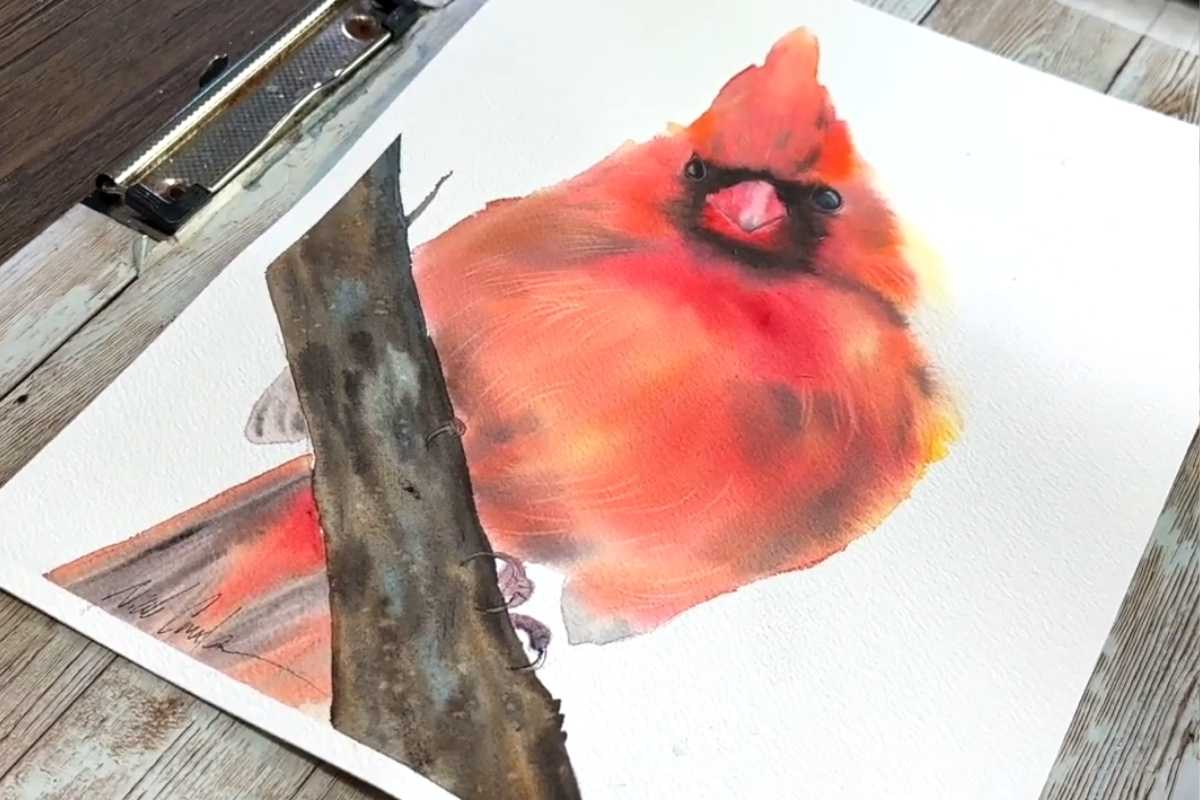
The red cardinal teaches value mapping: dark mask, bright body, and a few decisive shadows. Work in two passes—light local color, then selective accents—to keep it watercolor birds easy.
A limited palette helps you avoid mud and keeps the feathers reading clean from a distance.
Ideal for fast studies you can frame or use as greeting cards within your birds watercolor paintings portfolio.
Click here to view the tutorial
3) Vibrant Songbirds: Color Harmony Playbook
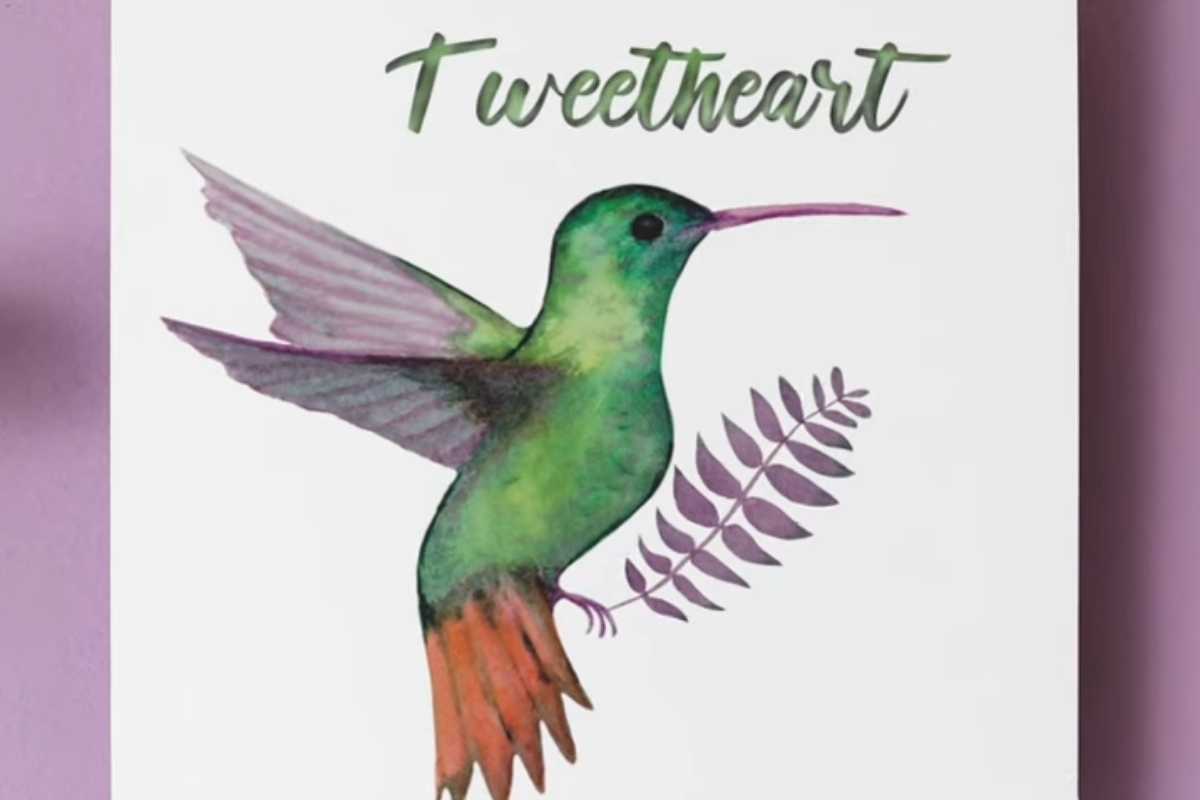
Build a small flock while practicing hue families and soft-edge transitions. This lesson focuses on picking two dominant colors and one accent, then repeating them across birds for cohesion—handy for cohesive watercolor birds paintings series.
It doubles as composition practice for multi-subject birds watercolor painting without overworking backgrounds.
Click here to view the tutorial
4) Toucan: Big Shapes, Graphic Beak
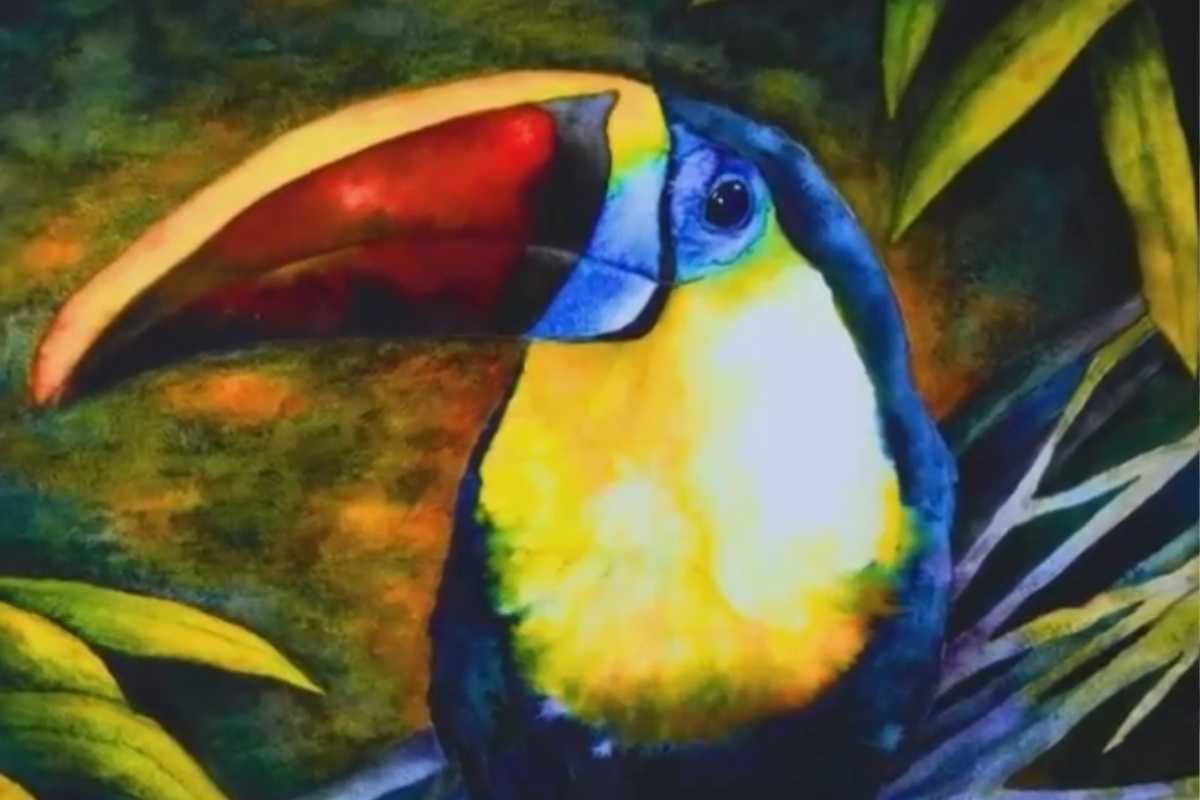
With a toucan, the beak geometry and stark body silhouette do the heavy lifting. Think bold, clean shapes first, then subtle feather texture.
Crisp negative painting around the form keeps edges graphic—great training for stylized birds watercolor posters.
Use warm/cool shifts inside the beak to suggest volume without piling on layers.
Click here to view the tutorial
5) Spring Bird: Fresh Greens & Soft Backgrounds
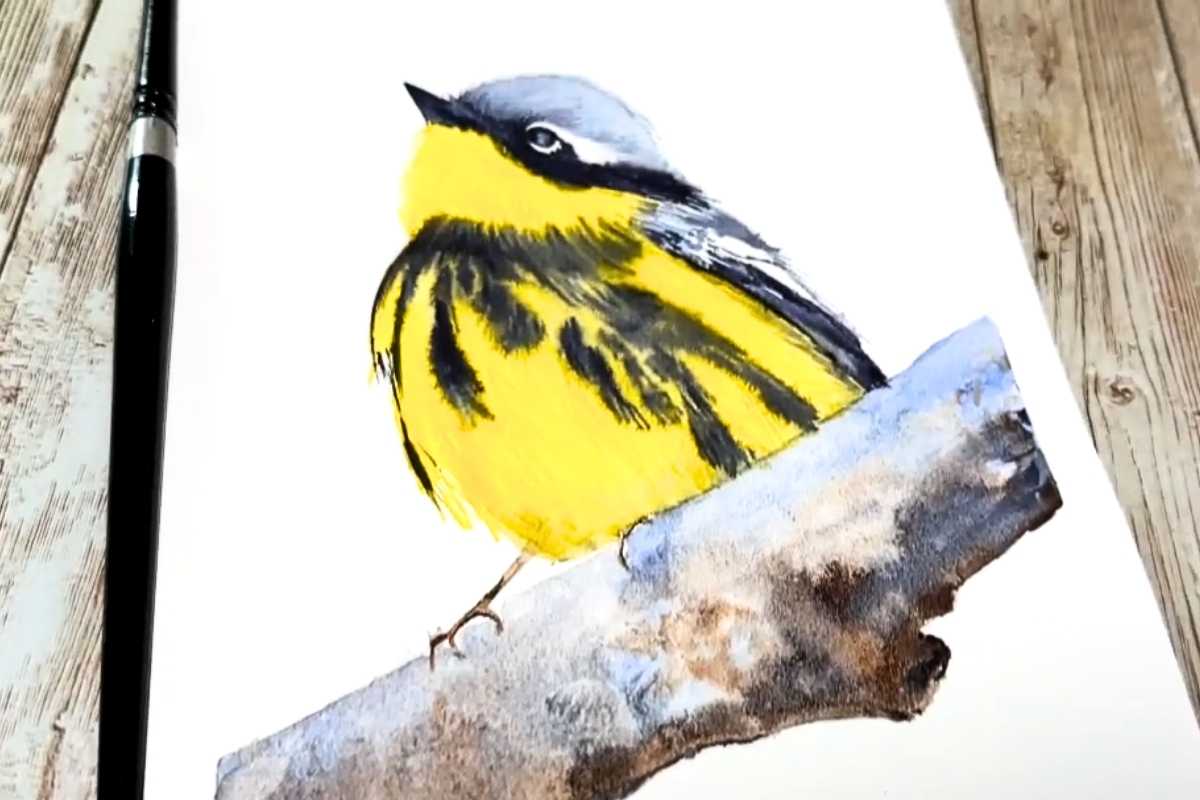
Learn to paint foliage that supports, not competes, with the subject.
Transparent greens and controlled blooms create a seasonal mood while the bird remains the star—perfect for easy watercolor birds painting tutorials with giftable results.
Try a warm underwash on the bird to set glow before glazing cooler shadows.
Click here to view the tutorial
6) Robin: Realism Through Edges & Values
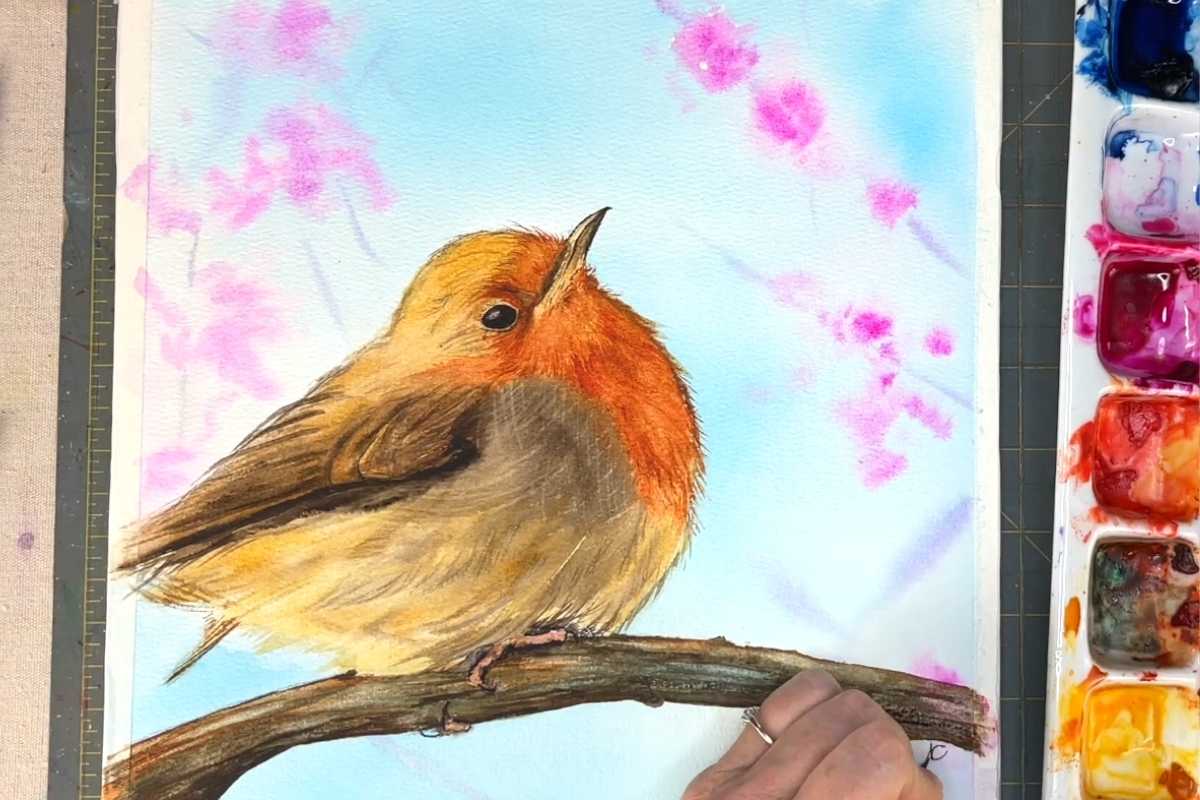
The robin study sharpens judgment: soft chest transitions, firm eye ring, and confident beak highlights. Work from big to small, then reserve just a few hard lines for the focal area.
This approach scales to more realistic birds watercolor paintings without over-rendering.
Keep a tissue handy for lifting light into the chest while the wash is damp.
Click here to view the tutorial
7) Beginner Sampler: Multiple Birds, One Method
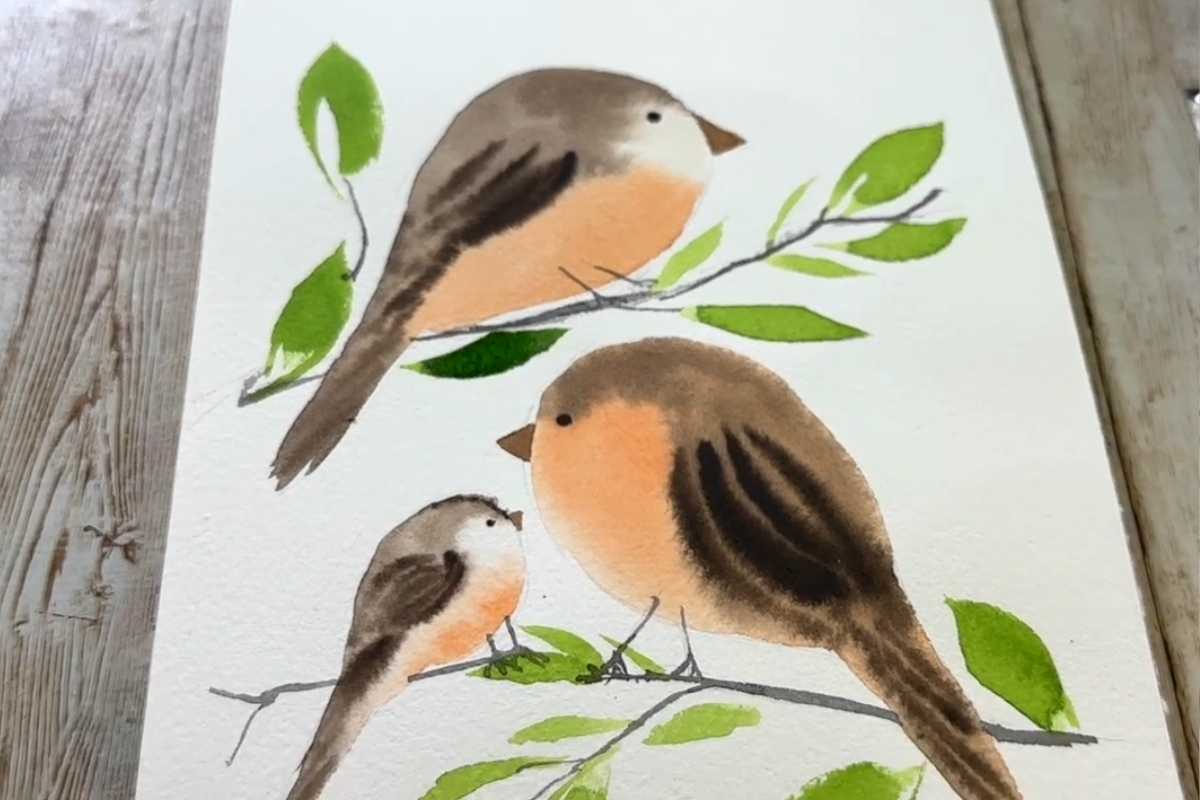
Practice a repeatable pipeline—gesture sketch, light local wash, shadow shapes, detail accents. It’s a friendly watercolor birds easy step by step format you can apply to any species.
You’ll build muscle memory for timing, moisture, and brush angles.
Perfect when you want a single session to unlock several watercolor birds tutorial wins at once.
Click here to view the tutorial
Materials & Setup Tips
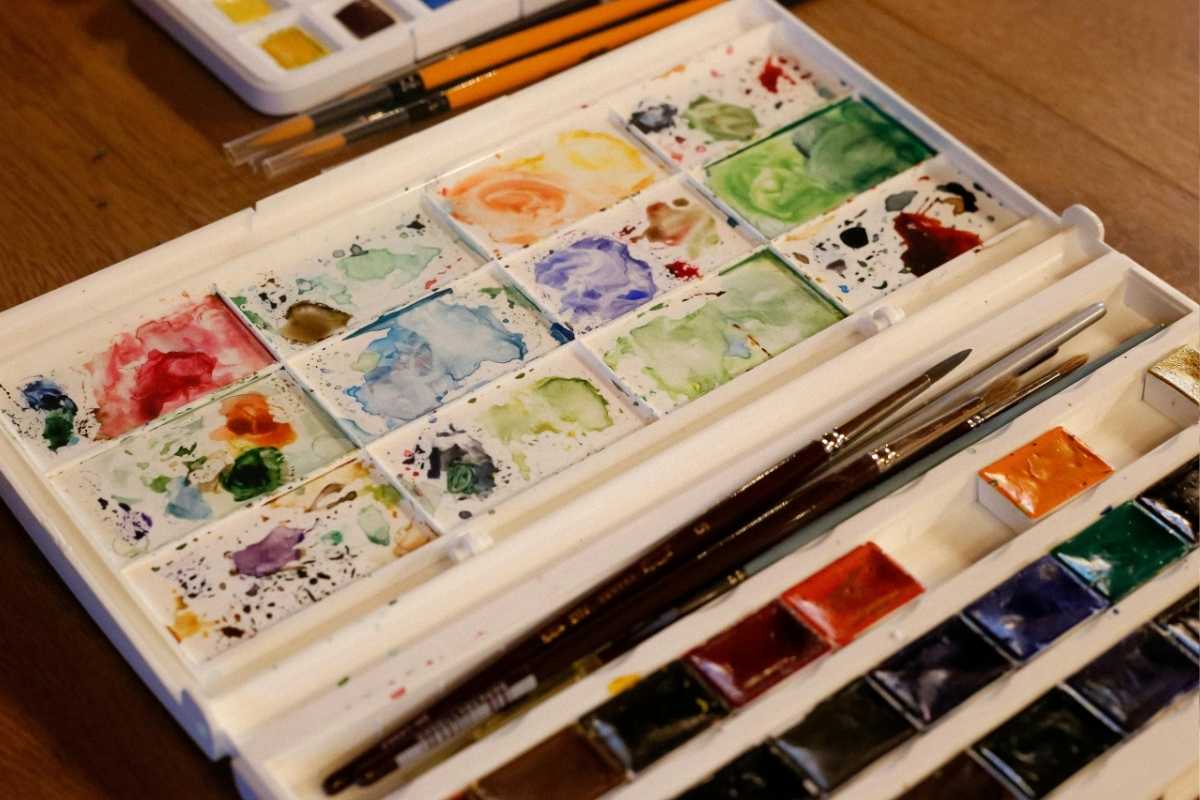
Paper: 100% cotton cold press for forgiving blends. Brushes: round 6–10 plus a small rigger for beaks and claws. Palette: warm/cool primaries + neutral tint. This simple kit supports all seven watercolor art birds lessons.
Pre-mix two values per main color so you can move quickly and keep feathers luminous in your birds watercolor studies.
Workflow You Can Reuse
Block-in: light local color, avoid tiny details. Model: soft shadow shapes, reserve highlights. Accents: a few darks at the eye/beak. This keeps watercolor birds fresh and helps you finish more studies, faster.
Batch two or three birds per session; the repetition accelerates learning and fills a tidy grid of birds watercolor paintings for your sketchbook or wall.
Keep Painting
Mix these projects into a weekly plan and you’ll see steady progress. When you’re ready for more, expand to backgrounds, branches, and sky washes to round out a small series of watercolor birds paintings you can frame or gift.
Browse more guides on UrbakiArt to level up composition, color harmony, and glazing—then return to these birds for a new pass with bolder choices.
Discover More Artistic Inspiration