
A Beginner's Guide to Needle Felting: Make Your Own Toy Mouse


Needle felting is an exciting, creative, and incredibly relaxing craft that allows you to create stunning objects using just wool and a specialized felting needle. This tutorial is by Shayda Campbell.
Whether you're looking to make adorable animals or simple designs, needle felting is a perfect hobby for anyone wanting to unwind and bring something beautiful to life with minimal supplies.
This guide will introduce you to the basics of needle felting, from the essential supplies to your first steps toward making a cute toy mouse.
What Is Needle Felting?
Needle felting is a craft technique that involves sculpting wool fibers into a solid shape using a barbed needle. The process works by repeatedly poking the needle into the wool, which causes the fibers to interlock and create a dense, felted mass.
Over time, you shape the wool into whatever form you desire—whether it's an animal, a flower, or abstract designs.
One of the best aspects of needle felting is its simplicity. All you need is a few basic supplies, and with just a little technique, you can start creating small, charming figures in no time.
It's a relaxing and meditative activity, making it an ideal way to spend a cozy evening crafting something unique and personal.
 Shayda Campbell (@shaydacampbell)
Essential Supplies for Needle Felting
Before you can start creating, you’ll need to gather some basic supplies. Here’s a quick overview of what you’ll need to get started with needle felting:
1. Wool
The most important material in needle felting is, of course, wool. Wool roving is the preferred option because it comes in long, fluffy fibers that are easy to work with.
It’s available in a wide variety of colors, so you can easily create multi-colored creations. You can choose wool in natural shades, or go for vibrant colors depending on your project.
2. Felting Needles
Needles used in felting are specialized tools with barbed edges. These needles come in various sizes, with finer needles used for detail work and thicker needles used for larger, bulkier areas.
The barbs on the needle are what catch and tangle the wool fibers together, so the wool stays in place as you shape it.
3. Felting Pad
A felting pad is a soft surface that protects both your work and your needles. This pad provides the right amount of resistance to allow the needles to do their work without damaging the table or surface you are working on.
It’s an essential tool for any felting project to ensure you don’t accidentally poke yourself or break your needles.
4. Scissors
Once you’ve created your felted shape, you may need scissors to trim and refine it. Scissors are particularly useful for cutting excess wool or shaping small details like ears, tails, and other features.
 Shayda Campbell (@shaydacampbell)
Getting Started with Needle Felting
Now that you have your supplies, it's time to start felting. In this tutorial, we’ll focus on creating a simple and cute toy mouse, which is a great beginner project. The basic process involves starting with a small wool base and building up layers as you begin to sculpt.
Building the Base
Start by rolling a small ball of wool to form the base of your mouse. The size of the ball will depend on how large you want the final mouse to be.
Use your felting needle to poke the wool until it begins to take shape, making sure to work evenly across the surface to avoid unevenness.
Shaping and Adding Features
Once the base is firm, it’s time to add features like the mouse’s ears, tail, and snout. This step involves adding small amounts of wool and felting them into the shape you desire. It can take some time to get the features looking just right, so take your time with each detail.
Adding Final Details
After you’ve created the basic shape and features of your mouse, you can refine it by adding texture, smoothing out rough areas, or enhancing colors to make it more realistic or stylized.
 Shayda Campbell (@shaydacampbell)
Why Needle Felting Is So Enjoyable
Needle felting is a great hobby because it’s therapeutic and easy to learn. The repetitive motion of felting the wool fibers together can be meditative, offering a break from the stresses of daily life.
It’s also satisfying to watch a lump of wool slowly turn into a cute, three-dimensional creation, like your felted toy mouse.
Additionally, the minimal supplies required make needle felting an affordable hobby to start. All you need is wool, needles, a felting pad, and a pair of scissors, which means you can easily begin crafting without a large upfront investment.
Conclusion: The Perfect Relaxing Craft
Whether you’re looking to make adorable toys like a felted mouse or more complex figures, needle felting is an accessible and enjoyable craft.
The simple supplies, relaxing technique, and endless possibilities for creativity make it a wonderful hobby for anyone. So, gather your wool, grab your felting needles, and start creating your own felted masterpieces today!
We thank Shayda Campbell for the images.
Enjoy The Video Tutorial
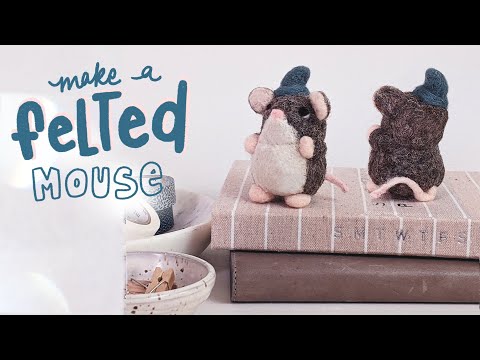
Source: Shayda Campbell
Did you find this post useful or inspiring? Save THIS PIN to your Art Board on Pinterest! 😊

Discover More Artistic Inspiration