
Forest Path Acrylic Painting: Easy, Lush, Serene

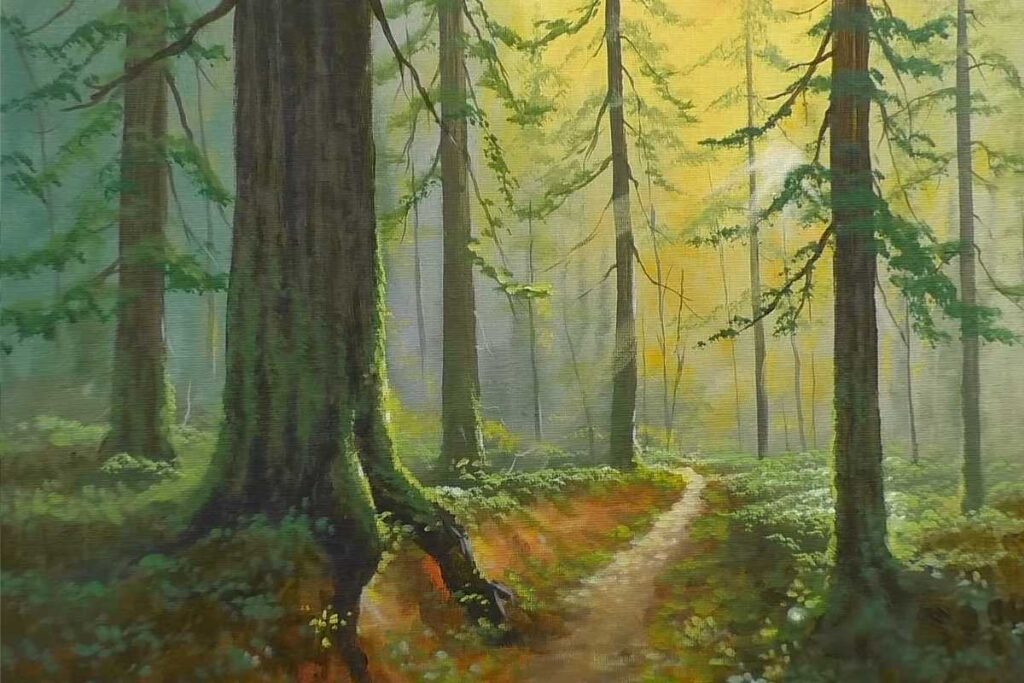
Want a calm, immersive studio session? This forest path acrylic painting lesson shows how to build depth, light, and atmosphere with simple steps.
If you’ve been looking for a forest painting easy approach that still looks gallery-ready, this video breaks the scene into layers so you can relax, learn, and finish strong.
What You’ll Learn In This Forest Path Acrylic Painting
The tutorial maps out the composition of a winding trail cutting through trees, guiding the eye into the distance.
You’ll establish a soft background haze, midground trunks and foliage, and crisp foreground details that make the path feel real.
It’s a friendly path for beginners to forest art painting: light-to-dark layering, atmospheric perspective, and a limited palette that keeps color decisions simple while delivering mood and depth.
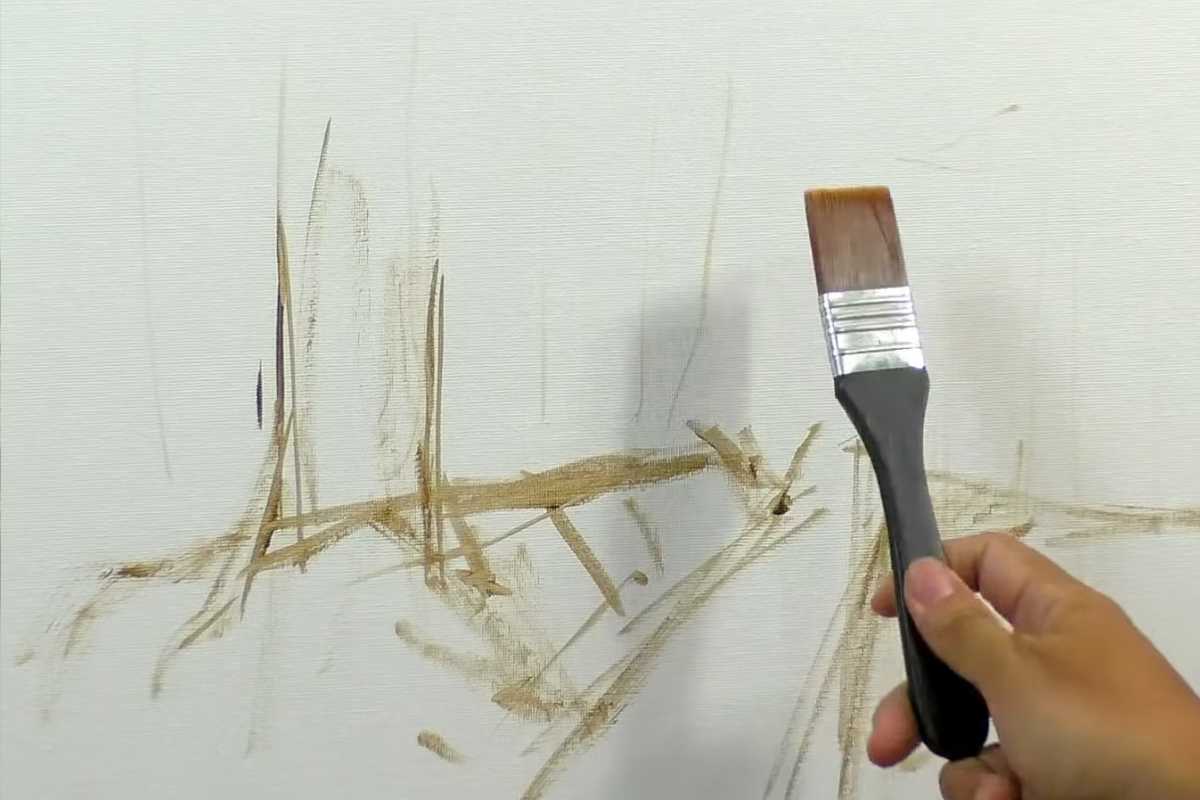
Materials, Palette & Underpainting
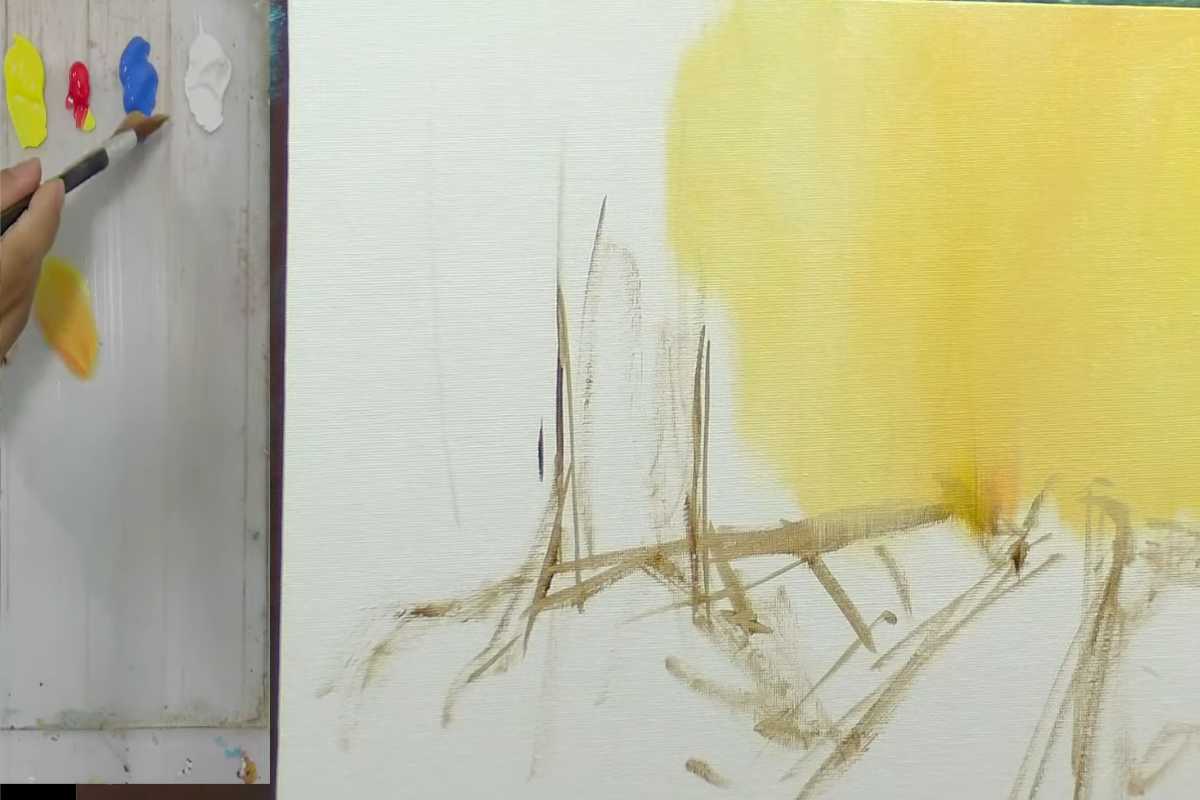
Work on canvas or thick paper with fast-drying paints. A muted earth underpainting sets the value map, then transparent greens and neutrals create a believable woodland glow—great for a green forest painting that feels fresh, not flat.
Brushes: a large flat for blocks, a filbert for foliage, and a round for branches and grass accents. This setup is perfect for acrylic forest painting sessions where control and speed matter.
Blocking In: From Big Shapes To Believable Light
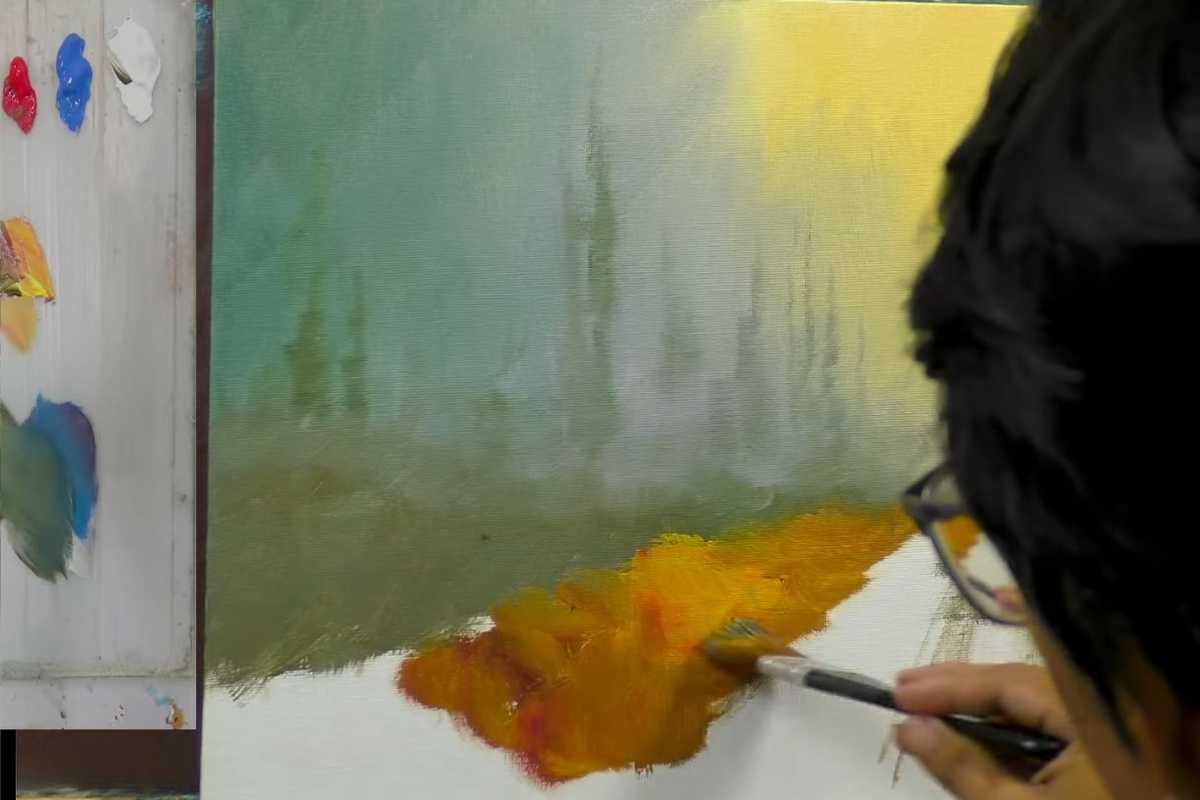
Start broad: sky glow, tree masses, and the serpentine trail. Keep edges soft in the distance to boost depth—an essential trick in forest landscape painting.
Reserve your brightest notes for the path and sunlit leaves nearest the viewer.
As forms emerge, strengthen trunks and cast shadows to anchor the scene. Small temperature shifts—cooler in the back, warmer up front—add space without complicating the palette.
Foliage, Texture & Edges
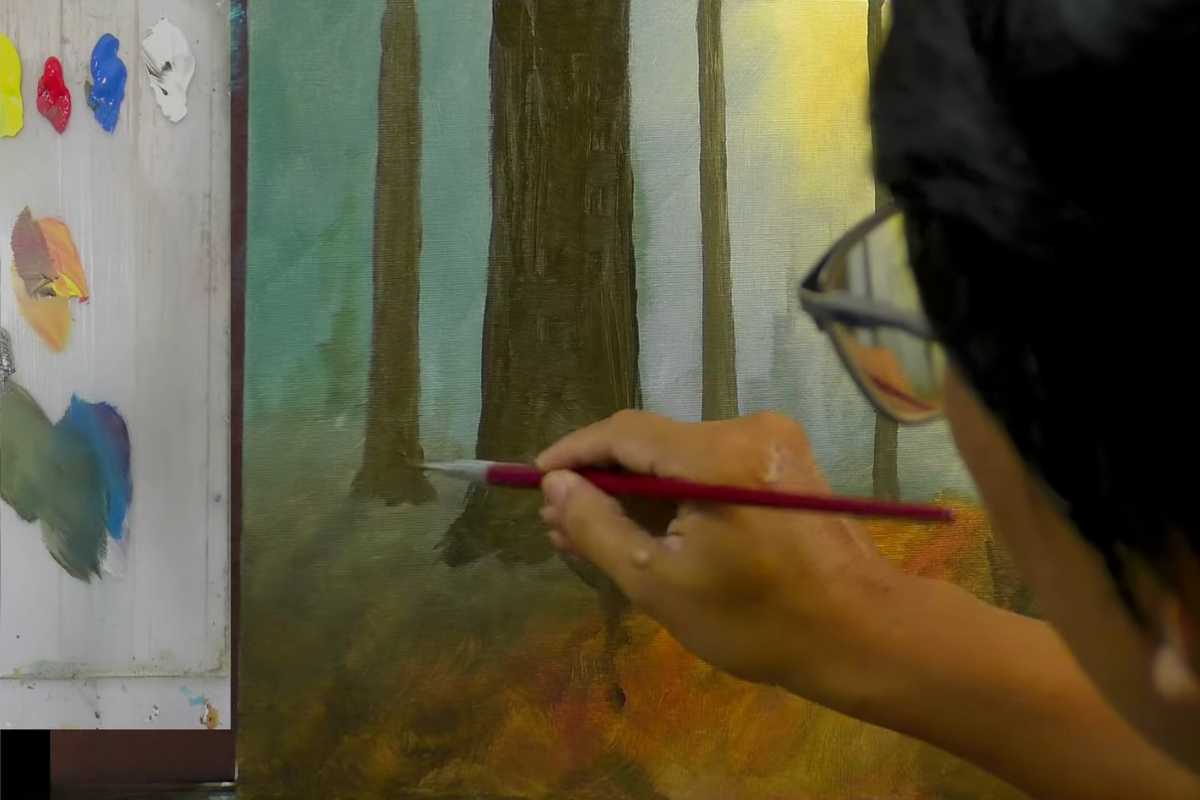
Use broken color: tap foliage with a filbert, then glaze thin color to unify. Alternate hard and soft edges so trees feel layered. These moves keep your forest acrylic painting lively rather than overblended.
For the pathway, drag mid-value strokes along the curve, then pop highlights on the crown of ruts or stones. This subtle contrast is the heartbeat of any forest path painting.
Depth Cues & Finishing Touches
Thin, bluish shapes in the back suggest misty distance; thicker, warmer strokes up front add immediacy. A few crisp twigs or grasses near the viewer create a natural frame—classic acrylic forest painting polish.
If you need a guided refresh, the video’s pacing makes forest painting acrylic easy. You’ll see exactly when to glaze, when to detail, and when to stop.
Beginner Pathways & Variations
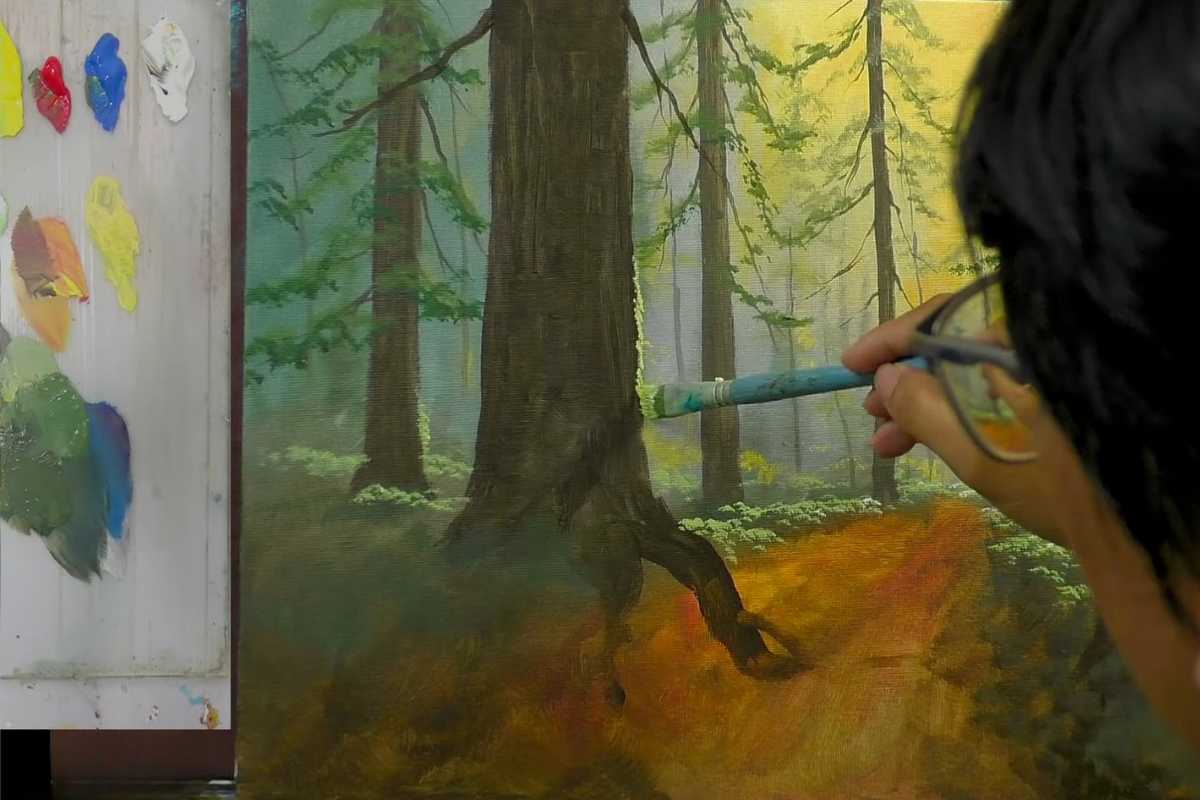
Short on time? Keep the palette minimal and focus on value—this keeps the project squarely in the “forest painting easy” lane. Want drama? Add a sunlit clearing or puddle reflections.
Prefer tighter realism or a looser, painterly vibe? The structure adapts either way, making it a handy template for any forest art painting you tackle next.
Troubleshooting Common Issues
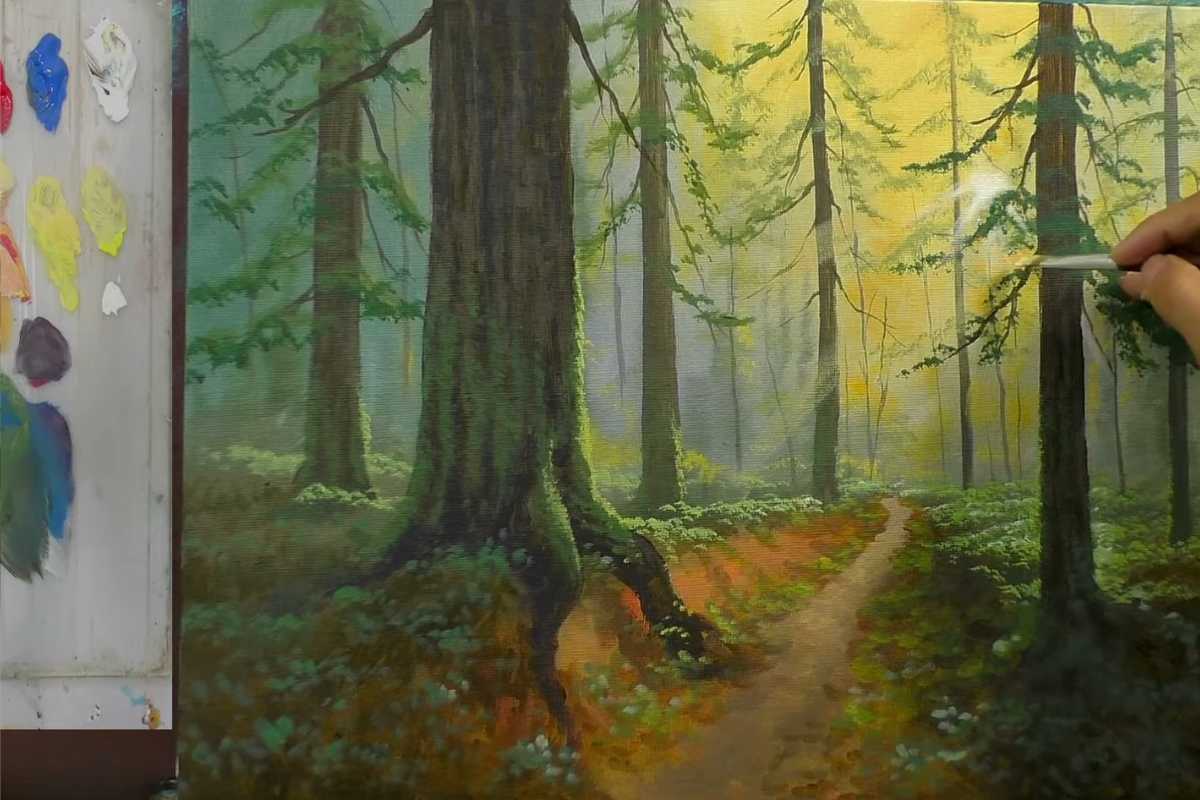
Flat greens? Mix in complementary touches or glaze with a neutral to knock back intensity—your acrylic forest painting will instantly feel more natural.
Depth collapsing? Soften distant edges and reduce contrast farther back; save crisp textures for the foreground. This is the secret in any convincing path in forest painting.
Who This Video Is For

Absolute beginners who want a confident start and returning painters looking for a calming project. If you enjoy structured steps and clear demos, this is your on-ramp to consistent, elegant forest painting.
By the end, you’ll have a serene woodland trail that reads as a complete scene—an approachable, modern take on forest art painting you’ll be proud to share.
We thank Art of John Magne Lisondra for the images.
Watch The Full Video Tutorial
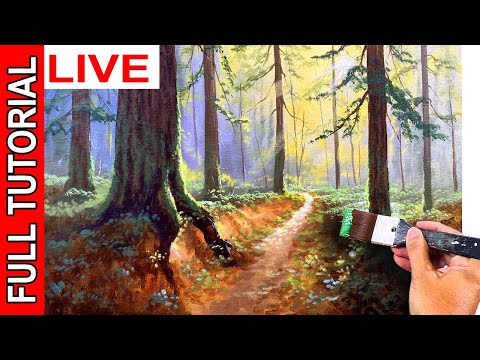
Source: Art of John Magne Lisondra
Discover More Artistic Inspiration