
Watercolor Hacks & Effects: 5 Tips to Instantly Improve

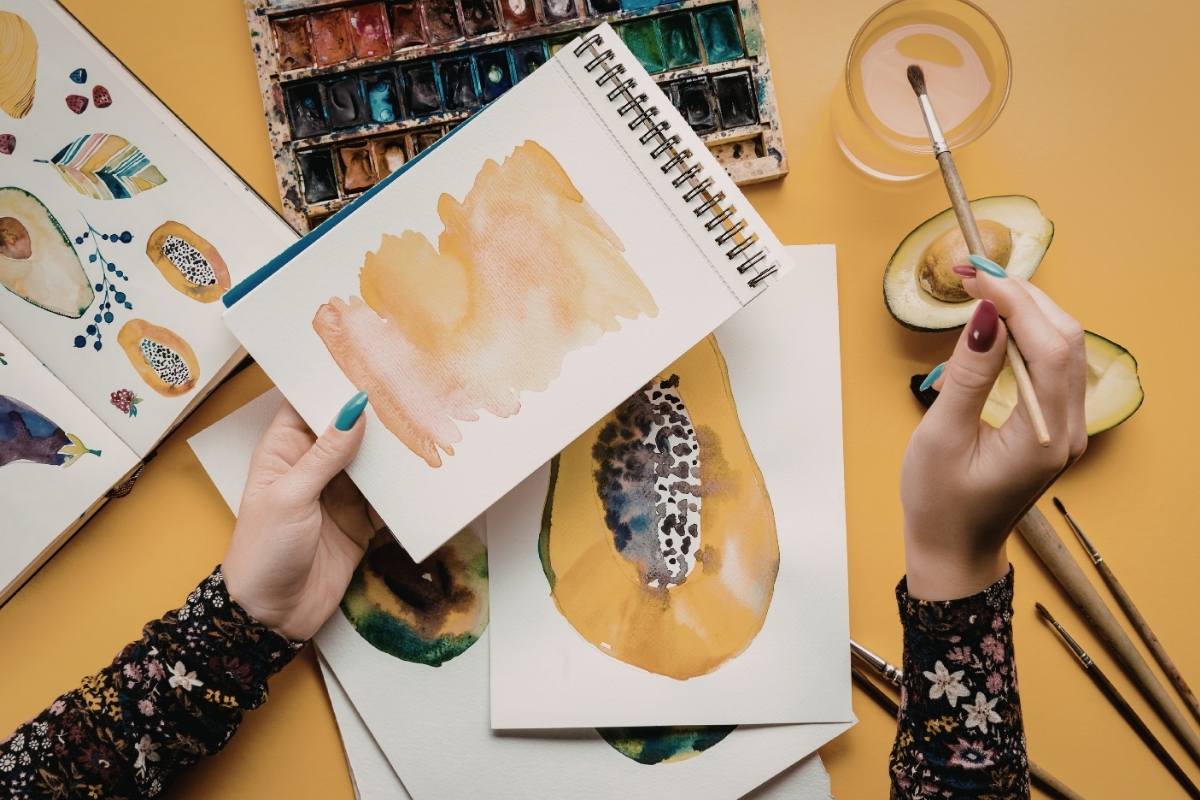
Want your watercolors to look more intentional—without overworking every layer? These five tips bring together smart hacks, skill-boosting techniques, and special effects that make a visible difference fast.
If you’re aiming for smoother washes, stronger color, and more confident results, you’re in the right place.
8 Must-Know Watercolor Hacks: Exclusive Tips Revealed

Small tweaks can create big improvements—especially in watercolor. This tip-packed post is ideal when you want quick upgrades to your process (without buying anything new). It’s the kind of read that helps you paint with less frustration and more consistency.
Use these ideas as a “pre-paint checklist” whenever your washes feel unpredictable, or your colors don’t behave the way you expected.
👉 Click here to see all the hacks and try them in your next session.
Watercolor Techniques: Expert Tips for Skill Enhancement

If you’re ready to improve the overall quality of your paintings, technique is where the magic happens. This guide focuses on skill-building tips that can help you get cleaner layers, smoother transitions, and more intentional brushwork.
It’s especially helpful when you want repeatable results—so your paintings look polished while still keeping that loose watercolor feel.
👉 Read the full guide and upgrade your watercolor technique today.
How to Create Special Effects with Watercolor

Special effects are the fastest way to add personality to a watercolor piece—think interesting textures, soft surprises, and eye-catching finishes. This tutorial is a great pick if you want your paintings to feel more expressive and visually dynamic.
Even better: effects can elevate simple subjects (like basic shapes or quick florals) into something that looks intentionally artistic.
👉 Tap to see the full tutorial and explore these watercolor effects.
Transparent vs Opaque Watercolors: How and When to Use Them

Ever wonder why some layers glow and others look flat? Understanding transparency vs opacity can instantly improve how you mix, layer, and plan highlights. This post helps you make smarter choices so your colors stay clear and vibrant instead of turning muddy.
It’s a super practical read when you’re trying to troubleshoot dull washes—or you want more control over glazing and coverage.
👉 Get the full breakdown and learn when to use each type.
Colorful Beginnings: How to Dodge the Most Common Watercolor Error

A strong start makes everything easier in watercolor. This post focuses on avoiding a common early mistake that can throw off the whole painting—so you spend less time fixing and more time enjoying the process.
If your first layers often feel “off,” this is the kind of tip that can give you an instant reset and help your colors stay fresher from the beginning.
👉 Click to learn the mistake to avoid and how to start stronger.
Watercolor progress doesn’t have to be slow—one small change can completely shift your results. Pick one tip to try today, then come back and add another the next time you paint.
— Michael
Discover More Artistic Inspiration