
Watercolor Negative Painting Floral Butterflies With Stencils

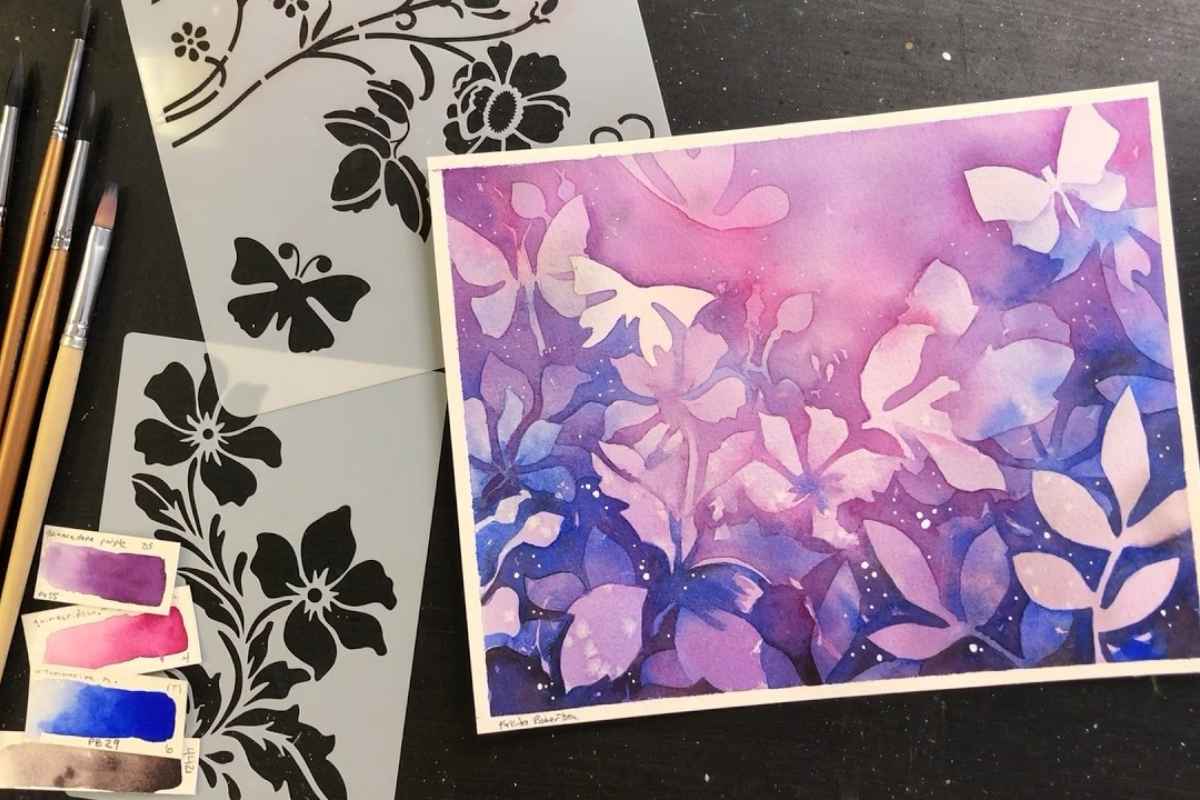
Watercolor negative painting is one of those techniques that looks wow—but becomes much more approachable once you see it done. In this tutorial, you’ll learn how to build a floral butterfly look by painting the space around the shapes (instead of the shapes themselves), using stencils to keep your edges crisp.
If you’re newer to watercolor, don’t worry: this method is all about layering, patience between washes, and making intentional color choices as you go.
How Negative Painting Works in Watercolor (And Why Stencils Help)
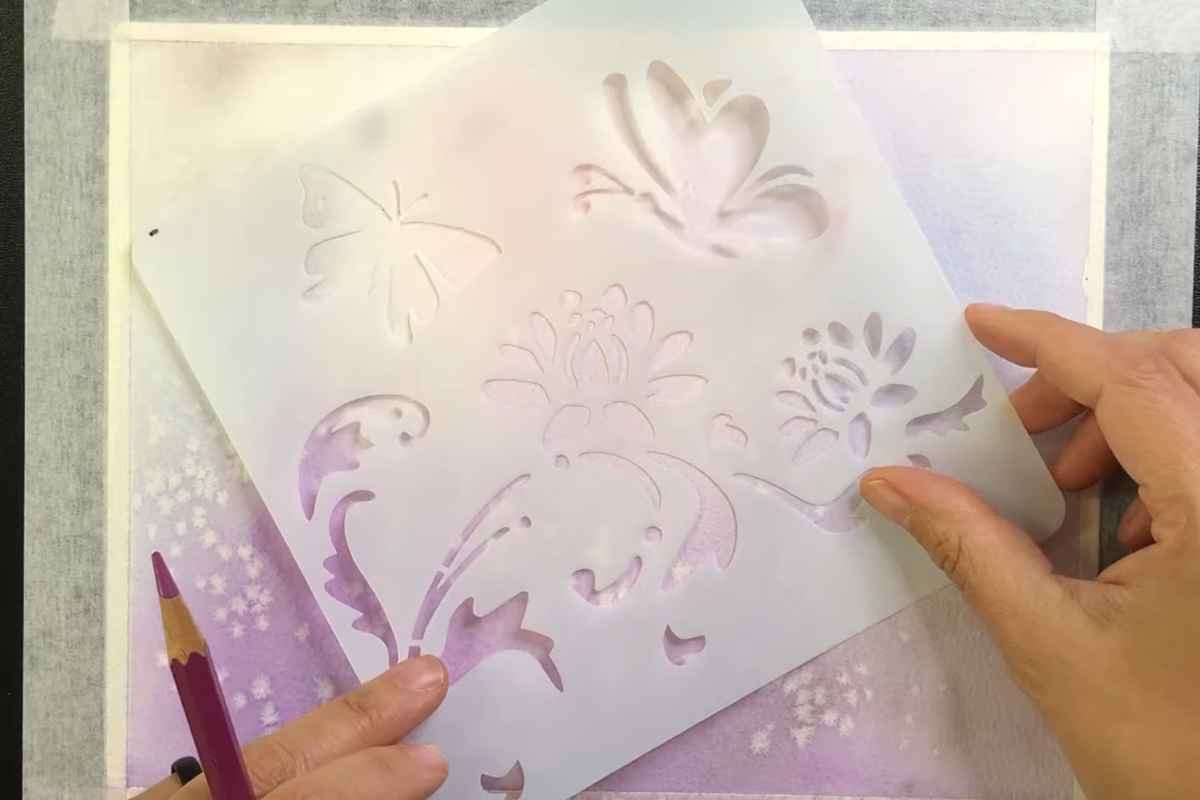
Negative painting means you’re defining a subject by darkening or enriching the area around it—so your butterflies and floral details “appear” as the background develops. It’s a smart way to create depth, contrast, and that clean, graphic look that still feels soft and painterly.
Stencils make this technique easier because they help you:
- Keep shapes consistent while you practice
- Create sharp silhouettes without freehand drawing
- Focus on smooth washes and value changes (light to dark) layer by layer
A helpful mindset: start lighter than you think you need. With negative painting, you can always deepen the background in later layers, but it’s harder to “go back” once things get too dark too soon.
Watercolor Negative Painting: Floral Butterfly Stencil Tutorial
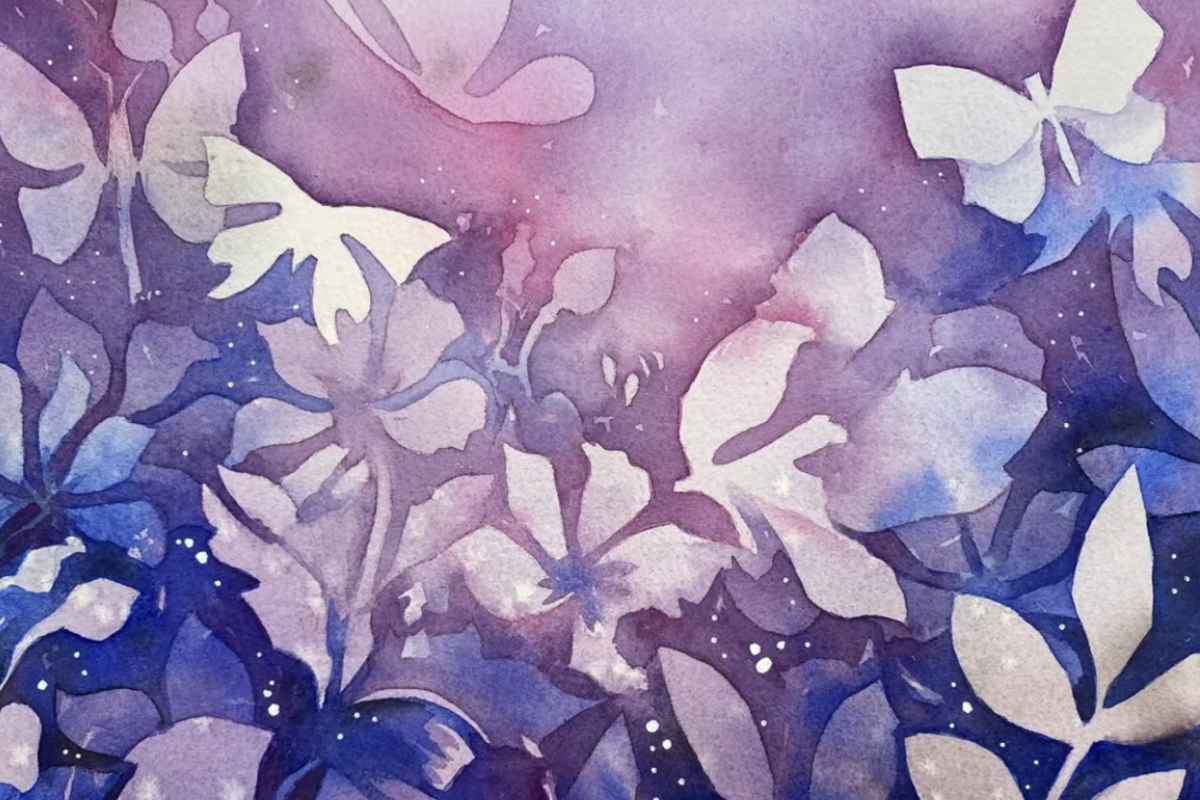
In the video, you’ll see the full process of building those floral butterfly shapes through layered washes. Watch for how the background color shifts gradually—this is what gives negative paintings their dimensional, almost glowing effect.
Pay attention to small details that make a big difference, like:
- Letting layers dry fully before adding the next wash
- Using controlled water for clean edges around stenciled shapes
- Adjusting contrast so the butterflies stay readable as the background develops
Tip: If your edges start looking fuzzy, it usually means the paper was too wet or the stencil lifted slightly. Slowing down and working in thinner layers can help a lot.

Source: Krista Robertson Art
If you try this technique, save your first version even if it feels imperfect—negative painting improves fast with repetition, and each attempt teaches you more about water control and values.
Happy painting,
Lauren
Discover More Artistic Inspiration