
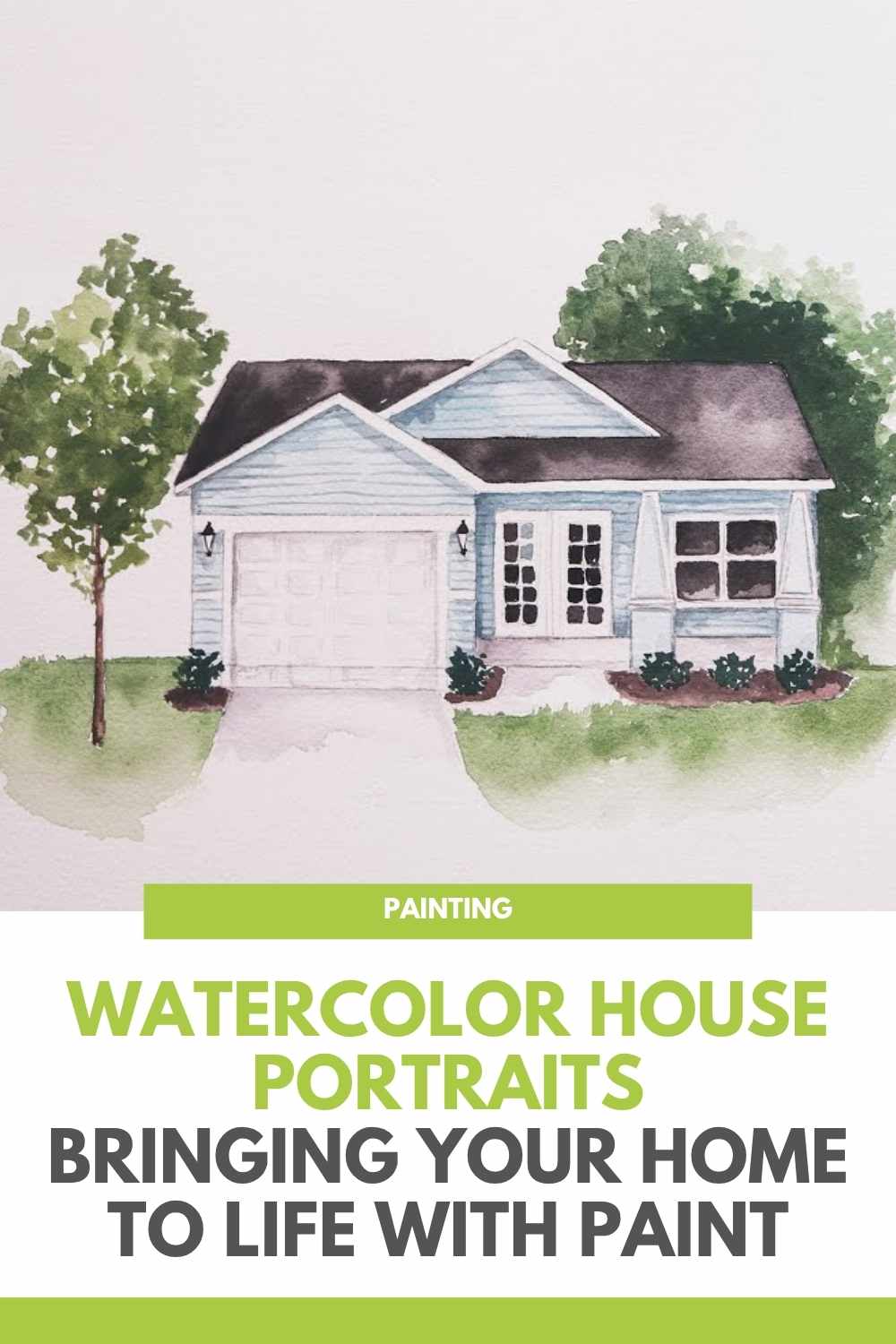
Watercolor House Portraits: Bringing Your Home to Life with Paint


Creating a home portrait in watercolor is a beautiful way to capture the essence of a space that holds special meaning. This tutorial is by Shayda Campbell.
Whether it’s a gift, a personal project, or a way to commemorate a home, painting a house in watercolor allows you to immortalize the details and the character of the architecture.
The charm of watercolor portraits lies in their ability to merge softness and vibrancy, creating a timeless piece that feels both personal and artistic. In this article, we’ll explore tips and techniques that will help you create stunning watercolor home portraits with ease and confidence.
 Shayda Campbell (@shaydacampbell)
Why Watercolor is Perfect for Home Portraits
Watercolor painting is renowned for its delicate, translucent quality, which works beautifully when capturing the light and warmth of a home. The medium allows you to convey both the softness of light on the house and the vibrant details of the surrounding landscape.
Whether it’s the texture of the bricks, the color of the roof, or the lush greenery around the house, watercolor allows for both fine details and broad washes, making it ideal for illustrating homes.
Capture the Spirit of the House
One of the greatest benefits of creating a watercolor portrait of a home is the opportunity to capture the unique spirit of that space. A home is much more than just a building—it’s where memories are made and moments are shared.
Through painting, you can bring to life the personal character of the house, reflecting everything from the colors of the exterior to the natural light that pours through the windows.
Planning Your Home Portrait
Before diving into the painting process, it’s important to plan your approach. This includes choosing the right reference photo, sketching out your composition, and considering the layout and perspective of the house.
Planning is essential, especially when working with watercolor, as it will give you a roadmap for where to start and how to build up the painting.
 Shayda Campbell (@shaydacampbell)
Steps to Getting Started
While the specifics of each project can vary, the following tips will help you lay a solid foundation for painting your home portrait in watercolor.
Choosing a Good Reference Photo
When beginning your home portrait, start with a high-quality photo. It’s essential that the reference photo captures the house in good light, providing clear details of the structure. Ideally, the photo should be taken in good lighting to highlight the house’s features.
If this is your first attempt at painting a house, it's a good idea to avoid angled photos, as they can make perspective tricky. Instead, use an image that shows the house from a more straight-on view. This will help you focus on symmetry and proportions.
Sketching the House
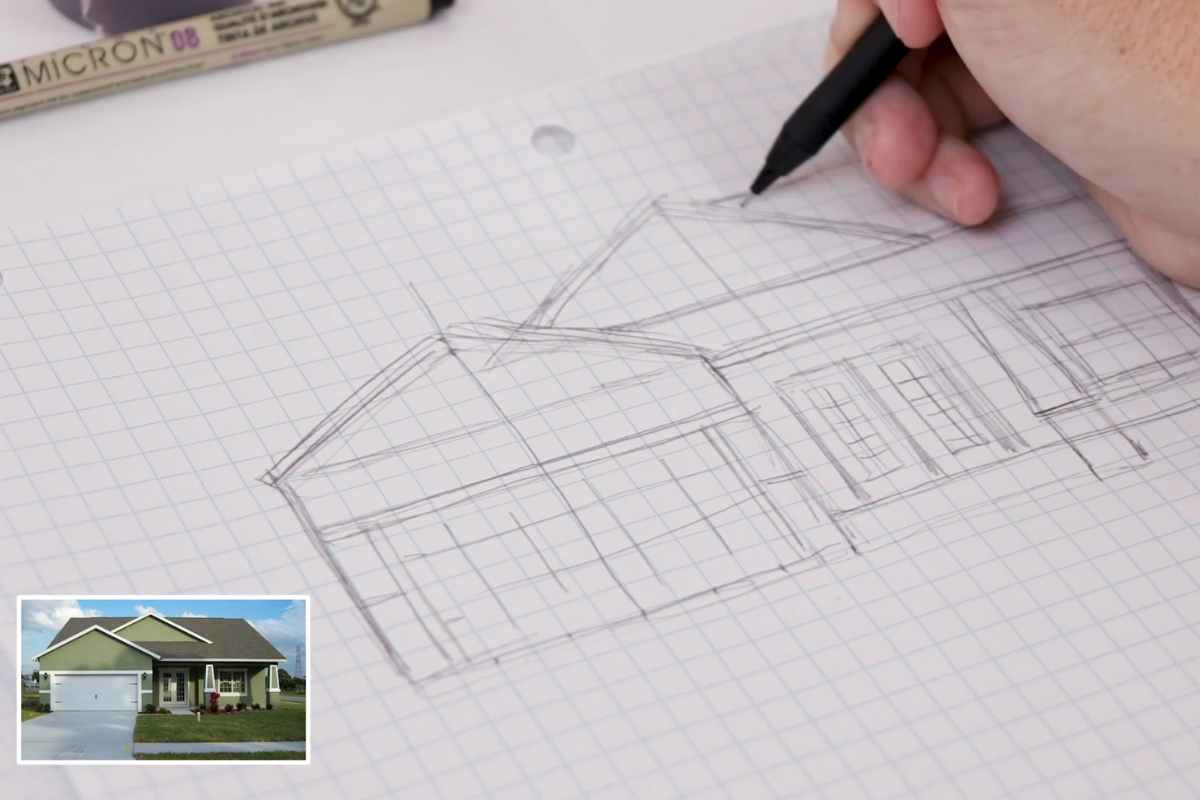
Once you have a clear reference photo, sketching the house is the next crucial step. If you're looking for accuracy, try using graph paper to help maintain proportions and alignment.
You can lightly sketch the structure of the house, focusing on the important architectural features like windows, doors, and rooflines. If you’re new to home portraits, a light, pencil sketch will help you map out the basic structure before adding color.
Keep the sketch light—watercolor painting often requires flexibility, so your sketch should be a guideline rather than a rigid outline.
Building Up Layers with Watercolor
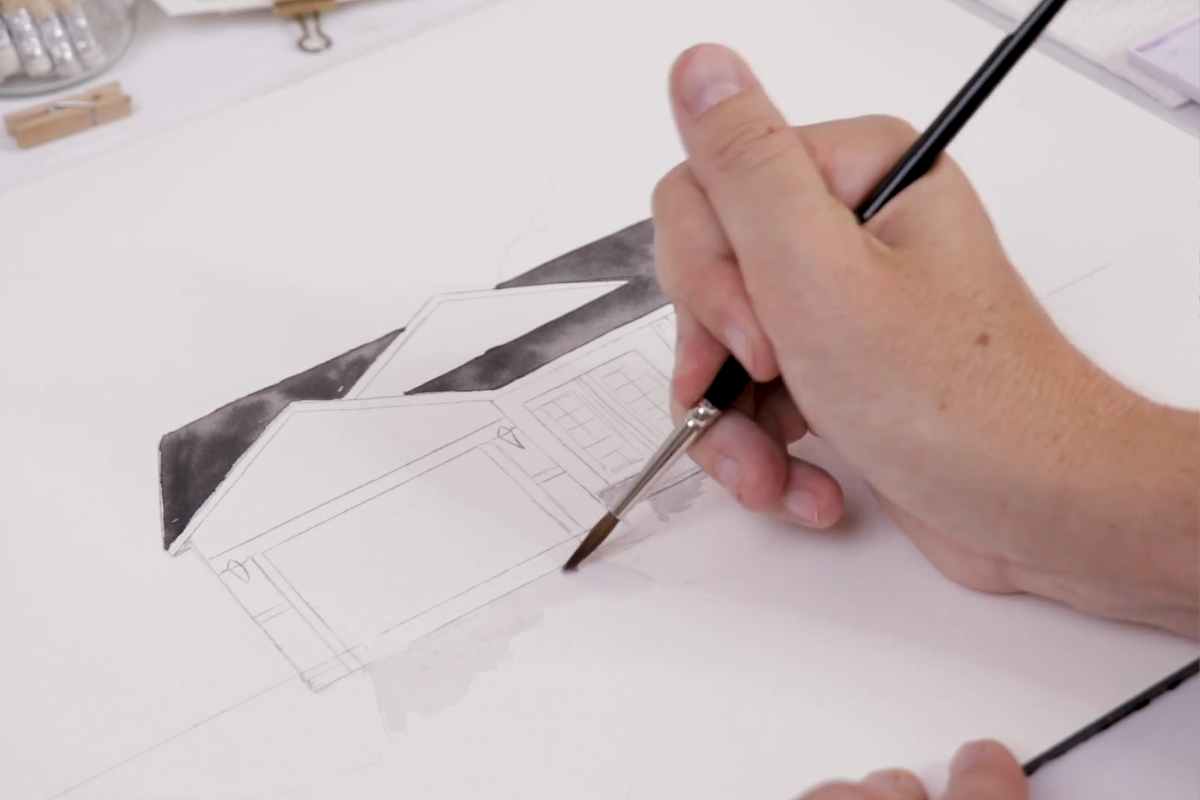
Once your sketch is in place, it’s time to bring the house to life with color. The beauty of watercolor lies in its layering process—you begin with light washes and build up to darker tones and details.
Start by painting the general shapes of the house using a wet-on-wet technique to allow for soft blending of colors. Gradually add more layers, focusing on adding depth to areas like the roof, windows, and surrounding landscaping.
A key technique for home portraits is to focus on light and shadow. Use gentle gradients to suggest light falling on the house, creating a more realistic effect. Watercolor allows for delicate transitions of color, which is perfect for representing the softness and texture of different materials like wood, brick, or stone.
Details and Final Touches
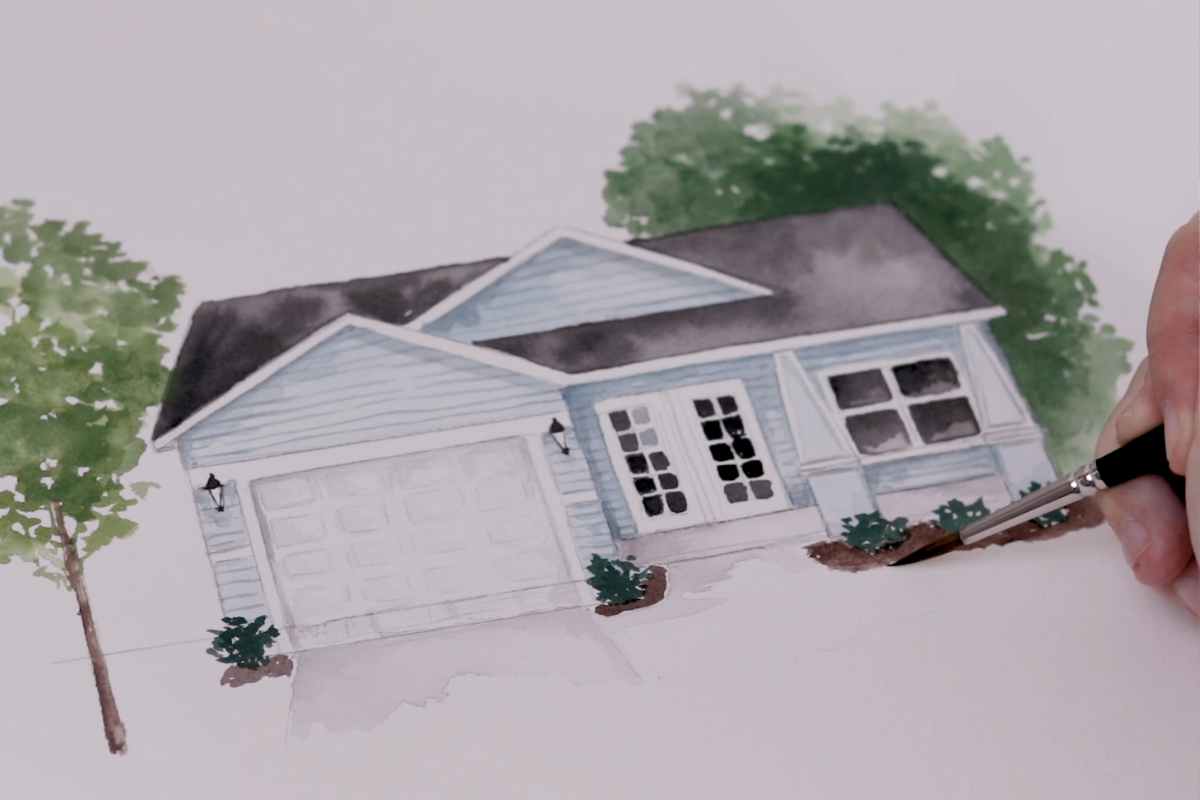
After your house is established with the basic washes, begin adding details. This can include the outline of windows, roof shingles, doorways, and landscaping. Fine lines are essential to give the house structure and definition, while still maintaining the soft, fluid qualities of watercolor.
Additionally, if you want to create a more dynamic painting, consider incorporating the surrounding landscape, like trees, flowers, or a garden. These additions not only frame the house but also give context and vibrancy to the scene.
Remember, the goal is to express the spirit of the home, not necessarily to achieve a perfectly realistic depiction. Watercolor’s beauty lies in the freedom it gives you to express mood and atmosphere more than precision.
 Shayda Campbell (@shaydacampbell)
Tips for Success
Experiment with Color and Texture
When painting homes, don’t shy away from experimenting with colors. Whether you’re working with soft pastels for a beach house or earthy tones for a cabin, watercolor allows you to create a wide variety of textures and color effects.
Be sure to explore color layering and different brush techniques to create depth in your painting.
Take Your Time
Watercolor painting can take time, especially when layering washes and adding intricate details. Don’t rush through the process—let each layer dry before adding the next. This will prevent blending that could muddy the colors and help you build a clean, vibrant portrait.
Let the Painting Evolve
Often, watercolor paintings evolve as you go along. Feel free to let the painting take on its own direction. If a part of the house needs more emphasis, add more detail. If the background needs more life, add in foliage or light reflections.
Conclusion
Creating home portraits in watercolor is a rewarding and fulfilling project that allows you to capture the beauty and personality of a house.
Whether you’re painting for a client, creating a gift, or simply practicing your skills, this project is an excellent opportunity to explore watercolor techniques while paying tribute to the unique charm of a home.
By taking your time with the planning and painting process, you'll create a beautiful, lasting piece that captures the essence of a beloved space.
We thank Shayda Campbell for the images.
Enjoy The Video Tutorial
Source: Shayda Campbell
Did you find this post useful or inspiring? Save THIS PIN to your Art Board on Pinterest! 😊
Discover More Artistic Inspiration